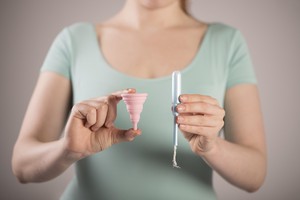
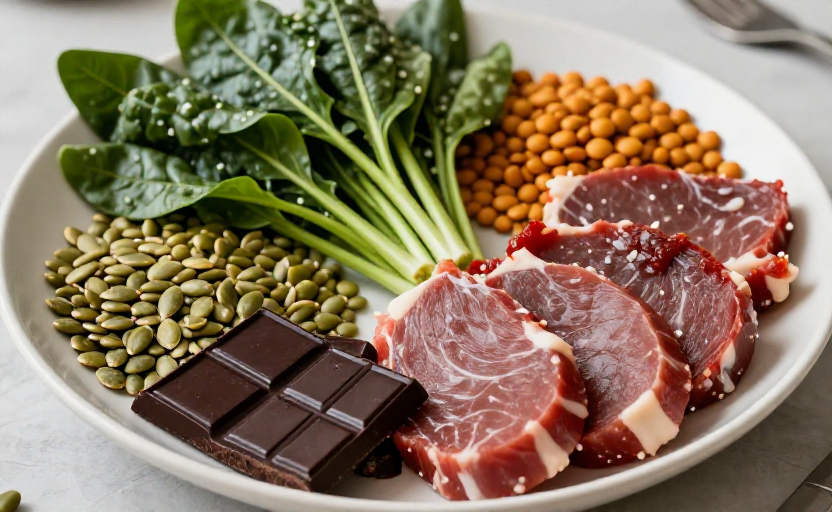
Managing a heavy menstrual flow is about more than just comfort; it's a significant physical demand. With that blood loss comes a depletion of essential nutrients, most notably iron. When iron stores dip, fatigue, weakness, and brain fog can settle in, making an already challenging time even harder. The good news is that your diet can be a powerful, supportive tool. By focusing on specific, nutrient-dense foods, you can help replenish what your body loses and support your energy levels throughout your cycle.
We spoke with registered dietitians to cut through the noise and identify the most effective foods to prioritize. This isn't about a restrictive diet, but about intentional nourishment. Here are five key food groups to turn to for supporting iron levels and overall wellness during times of heavy bleeding.
Why Iron Matters During Heavy Menstrual Bleeding
Iron is the core component of hemoglobin, the protein in your red blood cells that carries oxygen from your lungs to every tissue in your body. During menstruation, especially if your flow is heavy, you lose red blood cells and the iron they contain. If your dietary iron intake doesn't keep pace with these losses, you risk developing iron deficiency or even iron deficiency anemia.
The symptoms—persistent tiredness, pale skin, shortness of breath, and dizziness—are often brushed off as just part of "that time of the month." But they are signals from your body that it's working harder to deliver oxygen. Prioritizing iron-rich foods is a proactive step toward maintaining your energy and vitality.
Think of your diet during this phase as nutritional recovery. You're replenishing lost stores to keep your body's systems running smoothly.
1. Lean Red Meat and Organ Meats
When it comes to iron, not all sources are created equal. Heme iron, found in animal products, is more readily absorbed by your body than the non-heme iron from plants. Lean cuts of beef, lamb, and venison are excellent sources. For a particularly potent option, consider organ meats like liver. While an acquired taste for some, liver is one of the most concentrated sources of bioavailable iron, along with other crucial nutrients like vitamin B12 and folate, which also support healthy blood cells.
If you include animal products in your diet, incorporating a serving of lean red meat once or twice during your period can provide a significant iron boost. Pairing it with a source of vitamin C, like a side of bell peppers or a glass of orange juice, can enhance absorption even further.
2. Lentils and Legumes
For a powerful plant-based iron punch, turn to lentils, chickpeas, black beans, and kidney beans. These nutritional powerhouses are packed with non-heme iron, along with a substantial amount of protein and fiber. The fiber helps with the digestive fullness that can accompany menstruation, while the protein supports sustained energy.
To maximize the iron you absorb from legumes, combine them with vitamin C-rich foods. Think a lentil soup with tomatoes and spinach, or a chickpea salad with a lemon-tahini dressing. Soaking dried beans before cooking can also help reduce phytates, compounds that can slightly inhibit mineral absorption.
Simple ways to include them:
- Add a scoop of lentils to a hearty vegetable soup or stew.
- Blend chickpeas into a creamy hummus for a snack with red pepper strips.
- Use black beans as the base for a nutrient-dense burrito bowl.
3. Dark Leafy Greens
Spinach, kale, Swiss chard, and collard greens are classic recommendations for a reason. They are rich in non-heme iron, folate, and vitamin K—the latter playing a key role in healthy blood clotting. While the iron in plants isn't absorbed as efficiently, the overall nutrient package makes these greens invaluable.
Cooking your greens can help break down cell walls, making the iron more accessible. A large sautéed spinach side dish or a warm kale salad with a citrus vinaigrette is more than just a vegetable serving; it's a strategic move to support your body's needs.
Aim for variety in your greens. Each type offers a slightly different mix of supporting vitamins and antioxidants.
4. Seeds: Pumpkin, Sesame, and Hemp
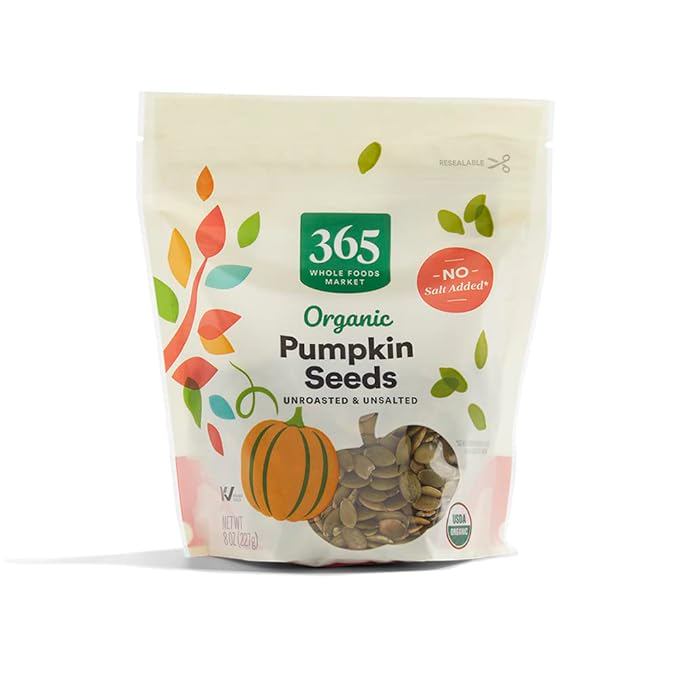
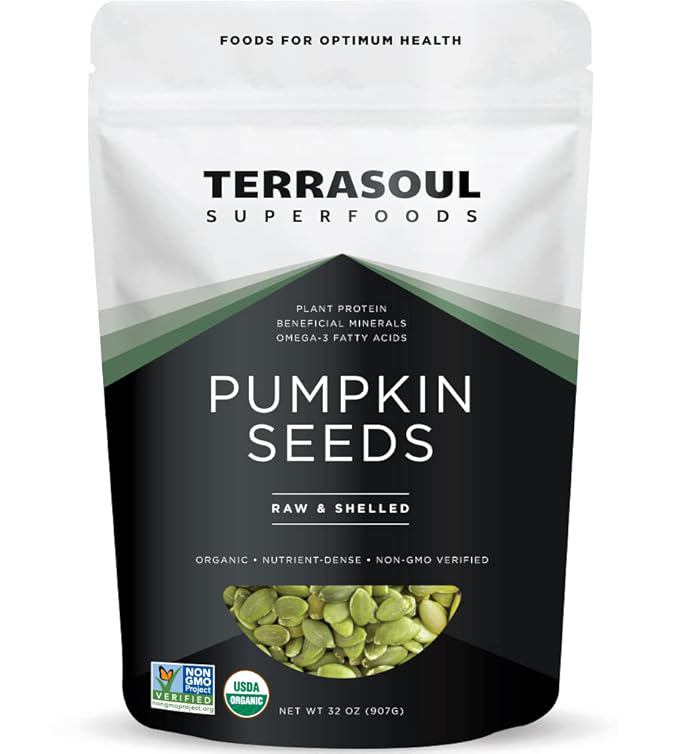
Don't underestimate the tiny but mighty seed. Pumpkin seeds (pepitas) are a standout, offering a notable amount of iron per serving. Sesame seeds (and their paste, tahini) and hemp seeds are also excellent choices. Beyond iron, these seeds provide magnesium, a mineral that can help relax muscles and potentially ease cramping.
Their versatility is a major plus. You can sprinkle them on oatmeal, yogurt, or salads, blend them into smoothies, or simply enjoy a small handful as a snack. They add a satisfying crunch and a concentrated dose of minerals.
5. Dark Chocolate and Cocoa
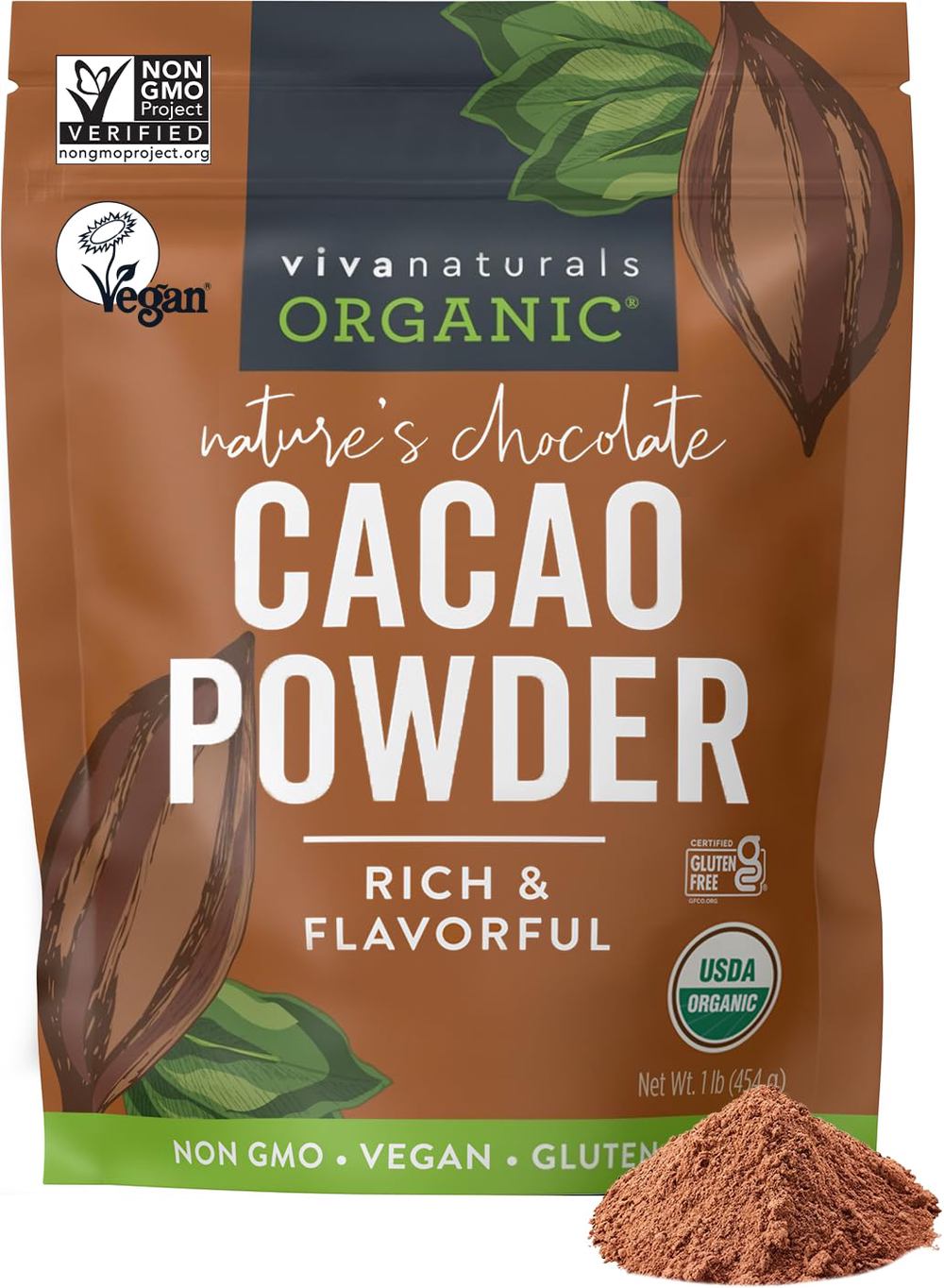
Yes, this one belongs on the list. Unsweetened cocoa powder and dark chocolate (with a high cocoa percentage of 70% or more) contain meaningful amounts of iron. It's a perfect example of how supportive eating can also be comforting and enjoyable.
Reaching for a square or two of dark chocolate can satisfy a common craving while contributing to your iron intake. You can also stir a tablespoon of unsweetened cocoa powder into oatmeal or a smoothie for a rich, chocolatey flavor with nutritional benefits.
Building a Supportive Plate
Focusing on these foods is most effective when you think about your overall meal composition. The goal is to enhance iron absorption and provide comprehensive support.
- Pair with Vitamin C: This is the golden rule for boosting non-heme iron absorption. Include citrus fruits, strawberries, bell peppers, broccoli, or tomatoes with your iron-rich meals.
- Be Mindful of Inhibitors: Tannins in coffee and tea and calcium in large doses can temporarily inhibit iron absorption. Try to have your coffee or tea between meals rather than with them.
- Listen to Your Body: Cravings for red meat or dark chocolate during your period might be your body's intuitive signal for needed nutrients. Honor those cues within a balanced framework.
Remember, while diet is a foundational pillar, it's one part of the picture. If you experience consistently heavy bleeding or symptoms of fatigue, consulting with a healthcare provider is essential to rule out underlying conditions and discuss if supplements might be appropriate for you. For now, turning your attention to these five food groups is a tangible, empowering step toward better supporting your body each month.