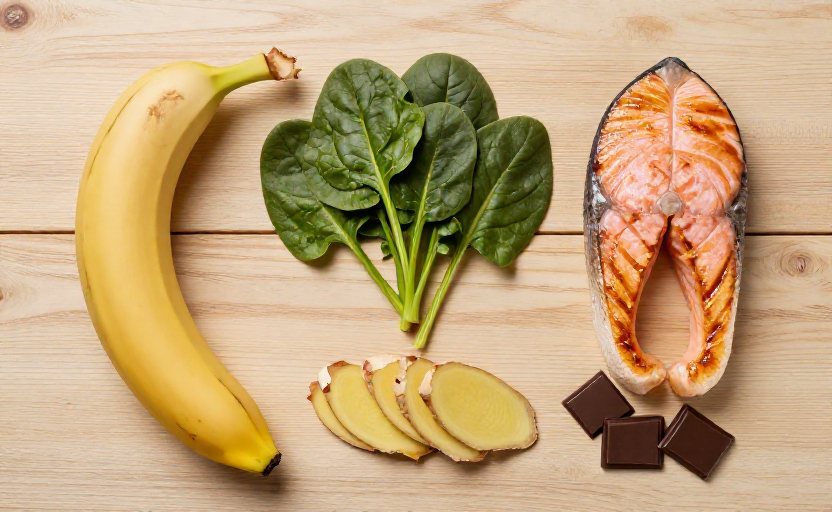
Hormonal birth control can be a reliable tool for managing periods, but it doesn't always erase the monthly discomfort. Many people still experience cramps, bloating, and muscle tension, even while taking the pill, patch, or ring. While over-the-counter pain relievers are an option, what you eat can also play a supporting role in calming those uterine contractions.
Rather than reaching for processed snacks that can increase inflammation, focusing on specific whole foods may help reduce the intensity of cramps. Below are five foods that can support muscle relaxation and hormone balance, making your cycle a little more manageable.
1. Bananas — A Natural Muscle Relaxant
Bananas are rich in potassium, a mineral that helps regulate muscle contractions. When your uterus is cramping, it's essentially a muscle spasm. Potassium can help counteract that tension. They also contain vitamin B6, which may help reduce bloating by supporting mild diuretic activity. A banana with breakfast or as a pre-workout snack is an easy addition.
2. Dark Leafy Greens (Spinach, Kale)
Dark leafy greens are packed with magnesium and calcium — two nutrients involved in muscle function. Magnesium helps relax smooth muscles, including the uterine wall, while calcium supports nerve signaling that can reduce pain perception. Include a handful of spinach in a smoothie or sautéed kale as a side dish to boost your intake during your luteal phase.
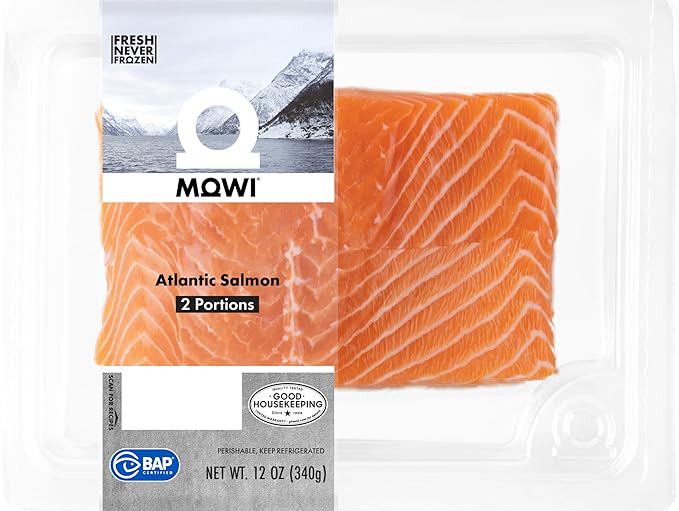
3. Fatty Fish (Salmon, Sardines, Mackerel)
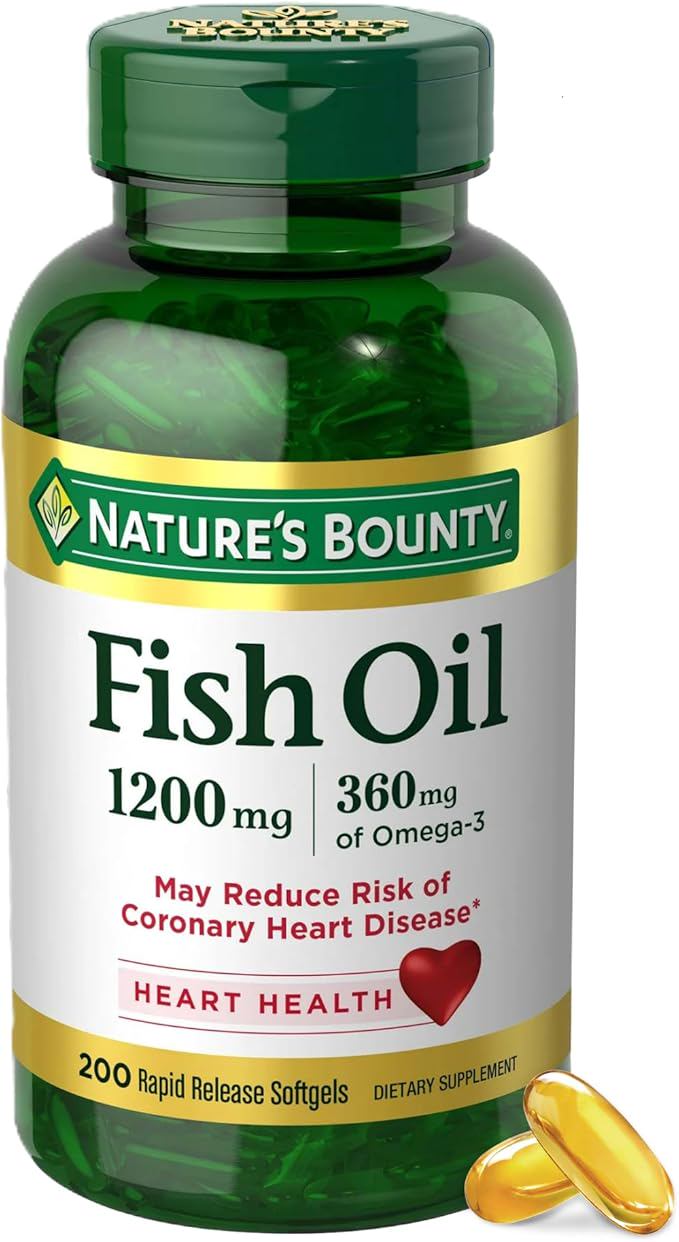
Fatty fish are the best food source of omega-3 fatty acids, which have anti-inflammatory effects. Since menstrual cramps are driven in part by prostaglandins (inflammatory compounds that trigger uterine contractions), omega-3s can help dampen that response. Aim for two servings per week, or consider a fish oil supplement after checking with your provider.
4. Ginger
Ginger has been studied for its ability to reduce pain intensity in menstrual cramps, sometimes matching the effectiveness of ibuprofen. It works by blocking inflammatory pathways. You can steep fresh ginger slices in hot water for tea, grate it into stir-fries, or add it to soups. Stick to about one teaspoon of fresh ginger per day during the worst of your cramps.
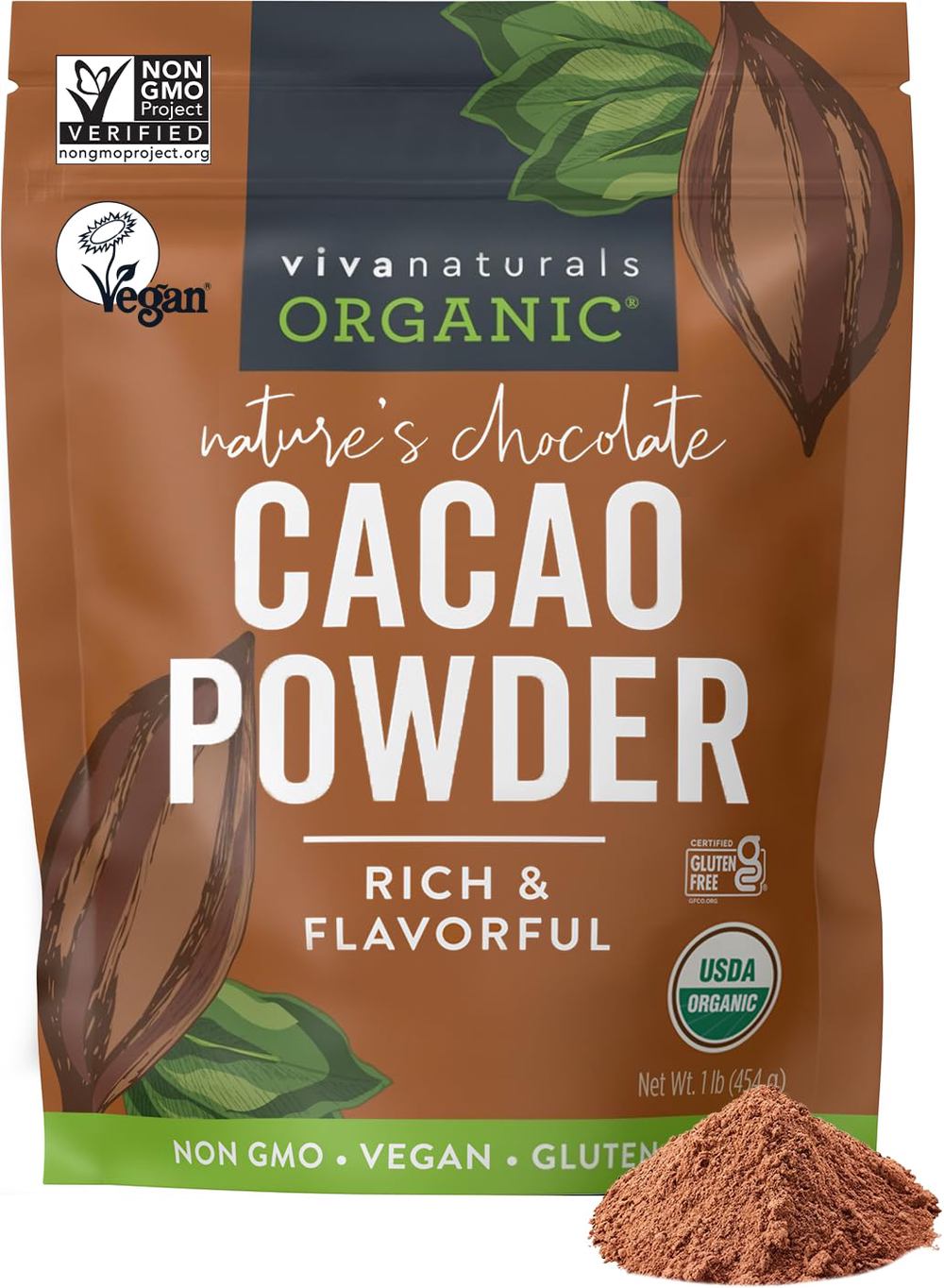
5. Dark Chocolate (70% Cacao or Higher)
Dark chocolate is rich in magnesium — about 64 mg per ounce (28 g). It also contains antioxidants that may help reduce muscle tension and improve blood flow. Choose varieties with minimal added sugar, as sugar can promote inflammation. A small square or two can satisfy a craving while providing a cramp-fighting benefit.
Important note: These foods support comfort but do not replace medical advice. If you experience severe pain that interferes with daily life, or if new symptoms arise while on hormonal birth control, speak with your healthcare provider.