When estrogen begins to decline—whether during perimenopause, menopause, or after certain medical treatments—many women notice changes in sexual health that can feel frustrating or confusing. Lower estrogen often means less natural lubrication, thinner vaginal tissue, and a drop in libido. These shifts are physiological, not personal failures. And while no single food can reverse hormonal changes, certain foods provide the nutrients your body needs to support circulation, tissue health, and hormone balance. Here are five evidence-backed foods to consider adding to your plate.
1. Fatty Fish for Circulation and Natural Lubrication
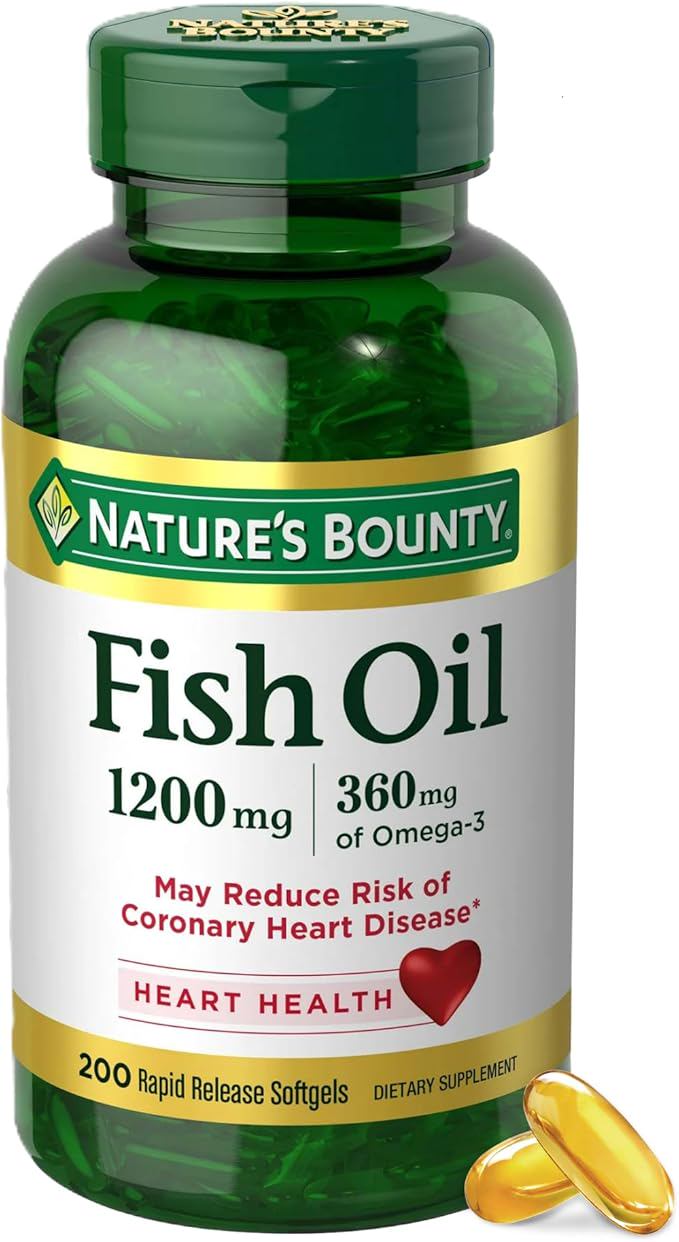
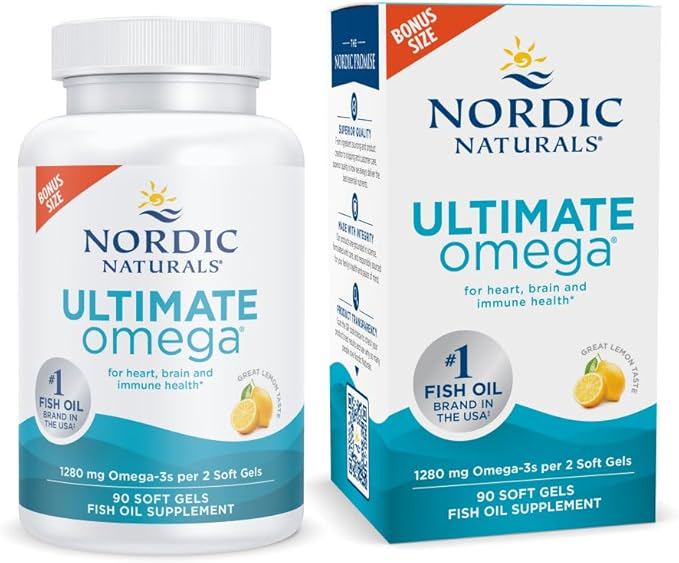
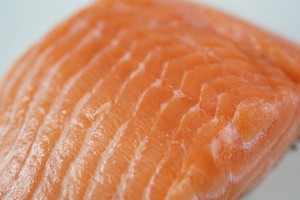
Fatty fish like salmon, mackerel, sardines, and trout are rich in omega-3 fatty acids. These healthy fats play a role in reducing systemic inflammation and improving blood flow—both of which are critical for sexual response and arousal. Better circulation helps deliver oxygen and nutrients to vaginal tissues, which can support natural lubrication and sensitivity. Omega-3s also help maintain the health of cell membranes throughout the body, including the tissues that become thinner and more fragile when estrogen is low. Aim for two servings per week, or consider a high-quality fish oil if fish isn't your thing.
Tip: Pair fatty fish with a side of leafy greens for an extra boost of magnesium, which supports relaxation and blood flow.
2. Flaxseeds for Phytoestrogens and Vaginal Health
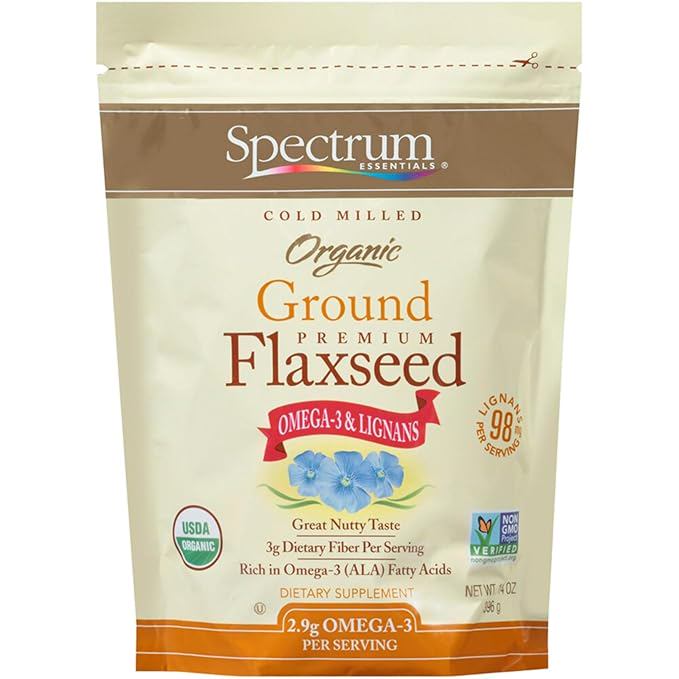
Flaxseeds are one of the richest food sources of lignans, a type of phytoestrogen—plant compounds that can weakly mimic estrogen in the body. While they won't replace your body's own estrogen, phytoestrogens may help ease some symptoms of low estrogen, including vaginal dryness and tissue thinning. Ground flaxseeds are easier to digest than whole seeds; sprinkle a tablespoon on oatmeal, yogurt, or smoothies. A 2023 review in Nutrients noted that flaxseed consumption was associated with improved vaginal maturation index, which is a measure of how healthy and plump vaginal tissue cells appear under a microscope.
3. Avocados for Healthy Fats and Libido Support
Avocados are rich in monounsaturated fats and vitamin E. Healthy fats are essential for hormone production, including the small amounts of estrogen and testosterone your body continues to make after menopause. Vitamin E acts as an antioxidant and may help improve vaginal moisture in some women. Testosterone—yes, women produce it too—plays a role in libido, and the body needs adequate dietary fat to maintain healthy hormone synthesis. Avocados also contain potassium, which supports muscle function and can help with the cramping or tension some women feel during sex after menopause.
4. Dark Leafy Greens for Folate and Blood Flow
Spinach, kale, Swiss chard, and collard greens are high in folate (vitamin B9) and nitrates. Folate supports the production of red blood cells and helps maintain healthy blood vessels. The nitrates in leafy greens get converted to nitric oxide in the body, which helps relax and widen blood vessels. This is the same biological pathway that medications like sildenafil target—improving blood flow to genital tissues can enhance arousal and sensation. Greens are also packed with magnesium, which helps muscles relax and may reduce pelvic floor tension during intimacy.
5. Lentils and Legumes for Iron and Steady Energy
Estrogen decline can sometimes come with heavier or irregular periods as you approach menopause, which may deplete iron stores. Low iron can cause fatigue, low libido, and a general sense of being run down. Lentils, chickpeas, and black beans provide non-heme iron along with fiber and B vitamins. The fiber in legumes also helps stabilize blood sugar, which matters because blood sugar swings can worsen mood swings, hot flashes, and overall energy levels—all of which influence how you feel about sex. Pair legumes with vitamin C (e.g., squeeze lemon on lentil soup) to boost iron absorption.
Putting It Together: A Sample Day of Balanced Eating
You don't need to overhaul your entire diet overnight. A single day that includes these foods might look like breakfast with ground flaxseed stirred into oatmeal, lunch with a spinach salad topped with grilled salmon and avocado slices, and dinner with lentil soup and a side of steamed kale. Snack on a handful of walnuts or an apple with almond butter. Stay well hydrated—water matters as much as food when it comes to vaginal moisture and overall comfort.
What About Supplements?
While whole foods are the safest and most effective way to get these nutrients, supplements can fill gaps when dietary intake falls short. Common options some women discuss with their healthcare providers include fish oil (omega-3s), vitamin E, and magnesium glycinate. However, supplements are not regulated with the same rigor as medications, and dosages matter. Always check with your clinician before starting anything new, especially if you're on hormone therapy, blood thinners, or other medications.
Remember that sexual health after estrogen decline isn't just about what you eat. Stress management, pelvic floor physical therapy, sleep quality, and emotional connection with your partner all play significant roles. Food is one powerful lever—but it works best as part of a broader, compassionate approach to your whole self.