
When it comes to maintaining skin firmness as we age, the most powerful tools might already be in your kitchen. While topical creams and serums have their place, what you put on your plate plays a foundational role in how your skin behaves. The structure of your skin—its collagen, elastin, and ability to hold moisture—is directly influenced by the nutrients you consume.
We spoke with registered dietitians to identify the five foods that deserve a regular spot in your diet if firmer, more resilient skin is your goal. These are not about drastic changes or trendy powders. This is about consistent, nourishing choices that build a strong cellular foundation.
Why diet matters for mature skin firmness
Skin firmness declines over time due to a reduction in collagen and elastin production, processes accelerated by oxidative stress, chronic inflammation, and glycation (where sugar molecules damage proteins). A targeted diet can counteract each of these mechanisms. Nutrients like vitamin C, copper, proline, and zinc are co-factors for collagen synthesis, while antioxidants like polyphenols and lycopene defend against the free radicals that break down skin architecture.
1. Fatty fish (wild salmon, sardines, mackerel)
Fatty fish is perhaps the single most impactful food for skin firmness. Dietitians emphasize its unique combination of high-quality protein and omega-3 fatty acids. The protein provides the amino acids—especially glycine and proline—that serve as building blocks for collagen. The omega-3s, particularly EPA and DHA, are potent anti-inflammatory agents that help calm the chronic low-grade inflammation that weakens skin structure.
Salmon also contains astaxanthin, a carotenoid antioxidant that some research suggests can help protect skin from UV damage. A practical recommendation is two to three servings of wild fatty fish per week. This is not a quick fix but a long-term dietary habit that supports the deeper layers of the skin.
2. Citrus fruits and bell peppers (high-vitamin C produce)
Vitamin C is non-negotiable for firm skin. It is a required cofactor for the enzymes that cross-link collagen fibers, giving them tensile strength. Without adequate vitamin C, collagen synthesis is impaired, and existing collagen becomes more fragile.
While oranges and grapefruits are well-known sources, dietitians point out that red bell peppers actually contain more vitamin C per gram. A single medium red bell pepper provides over 150% of the daily value. The key is consuming these foods in their whole form, as vitamin C is sensitive to heat and oxidation. Raw bell peppers in salads or fresh citrus fruits are ideal. This is a daily need; vitamin C is water-soluble and not stored in large amounts, so a consistent intake matters more than occasional megadoses.
Tip: Pair vitamin C-rich foods with a source of iron (like spinach or lentils) to boost iron absorption, which is also important for healthy skin.
3. Dark leafy greens (spinach, kale, Swiss chard)
Leafy greens are dense sources of multiple skin-supporting nutrients operating in synergy. They provide vitamin C, beta-carotene (which the body converts to vitamin A), lutein, and zeaxanthin. Vitamin A is crucial for cellular turnover and the repair of skin tissue. Lutein has been specifically linked to skin elasticity and hydration in observational studies.
These greens also contain significant amounts of vitamin K and folate, both involved in healthy circulation and cell regeneration. For firmness, the combination of antioxidants in greens helps neutralize the free radicals generated by UV exposure and pollution. A simple daily salad or a handful of spinach added to a smoothie is an effective strategy.
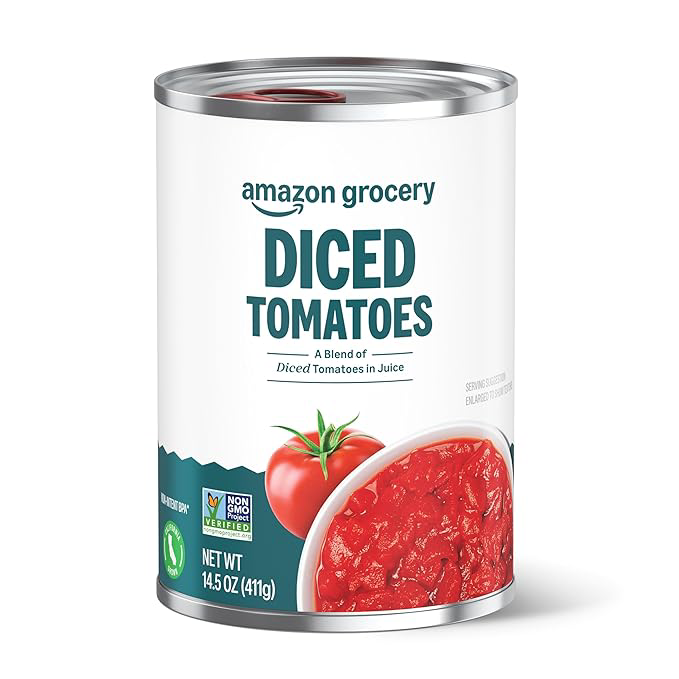
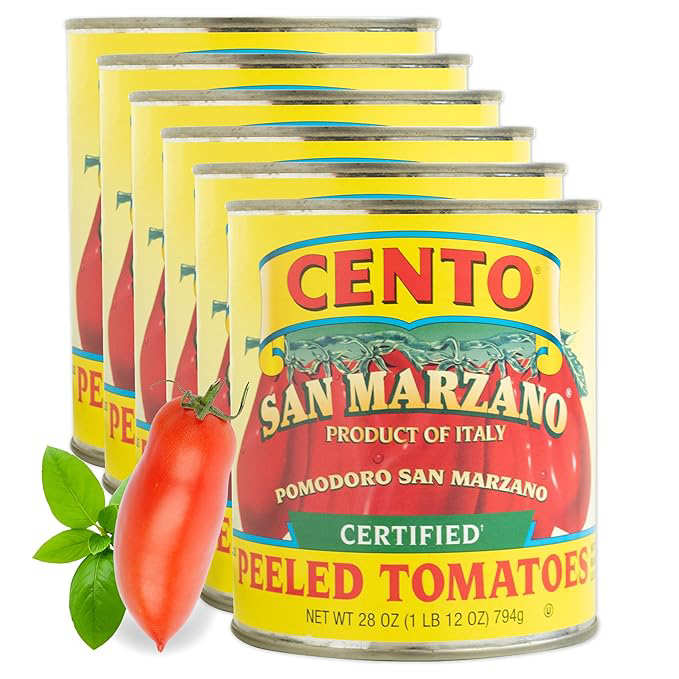
4. Tomatoes (cooked or with olive oil for lycopene)
Tomatoes deserve special attention for one compound: lycopene. This carotenoid is one of the most effective antioxidants for protecting skin from photodamage, which is the primary environmental cause of collagen breakdown. Lycopene accumulates in the skin and has been shown to reduce the skin's sensitivity to UV light, helping to prevent the molecular damage that leads to laxity and wrinkles.
Here is a crucial nuance: lycopene is fat-soluble and is more bioavailable from cooked or processed tomatoes. A tomato sauce cooked with a drizzle of olive oil or a tomato soup made with healthy fats is more effective for lycopene absorption than a raw tomato salad. Cooking breaks down the plant cell walls, releasing the lycopene. Make tomato-based dishes a regular part of your week, not just a once-in-a-while ingredient.
5. Shellfish (oysters, mussels, and clams)
Zinc is an often-overlooked mineral for skin firmness. It is essential for collagen synthesis and acts as an antioxidant and anti-inflammatory agent. Zinc deficiency is directly linked to delayed wound healing, brittle skin, and reduced collagen production. Shellfish, particularly oysters, are the richest dietary source of zinc by far.
Just three medium oysters can provide over 100% of the daily value for zinc, along with copper—another mineral that assists in elastin formation. Elastin is the protein that allows skin to snap back after stretching. If you do not eat shellfish, other good zinc sources include pumpkin seeds, chickpeas, and grass-fed beef, but shellfish remains the most concentrated source.
Consider incorporating one serving of shellfish per week as part of your protein rotation to keep zinc levels robust.
Putting it together: a daily pattern for skin firmness
You do not need to consume all five groups in every single meal. A practical pattern might look like this:
- Breakfast: A handful of spinach or kale in a smoothie with berries (also rich in antioxidants) and a source of protein.
- Lunch: A large salad with mixed greens, raw bell peppers, cherry tomatoes, a can of wild salmon, and a rich vinaigrette made with olive oil.
- Dinner: Grilled lean protein with a side of roasted tomatoes and a small serving of steamed mussels or a zinc-rich lentil dish if you prefer plant-based options.
Consistency is everything. The skin's turnover cycle is roughly 28 days for the outer layer, but structural changes take two to four months of consistent nutritional support. This is not about perfection; it is about building a baseline of nutrient density that your skin can draw from every day.