When menstrual cramps arrive, they often bring a powerful desire for comfort food. While reaching for something salty, sugary, or greasy can feel like the right move, those choices can sometimes make bloating and discomfort worse. The good news is that other foods can actively help soothe your system. By focusing on nutrients that fight inflammation, ease muscle tension, and replenish what your body loses during your cycle, you can use your meals as a genuine source of relief.
This approach isn't about strict rules or deprivation—it's about choosing foods that work with your body, not against it, during a time when you need support the most.
Foods to focus on for cramp relief
These foods deliver specific nutrients that address the root causes of period pain, from inflammation to muscle spasms.
Fatty fish like salmon
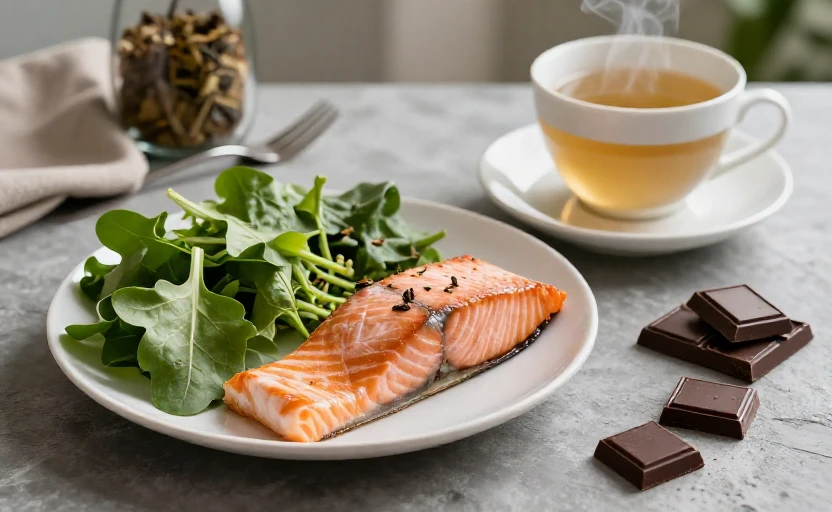
Cold-water fish are prized for their omega-3 fatty acids. These fats are potent anti-inflammatories. Since menstrual pain is linked to inflammatory compounds called prostaglandins, consuming omega-3s can help dial down that inflammatory response. Research, including a 2012 study, has found that omega-3 supplementation can significantly reduce the severity of menstrual pain. Salmon also provides vitamin D and B6, which support mood and help your body utilize other cramp-fighting minerals.
Dark, leafy greens
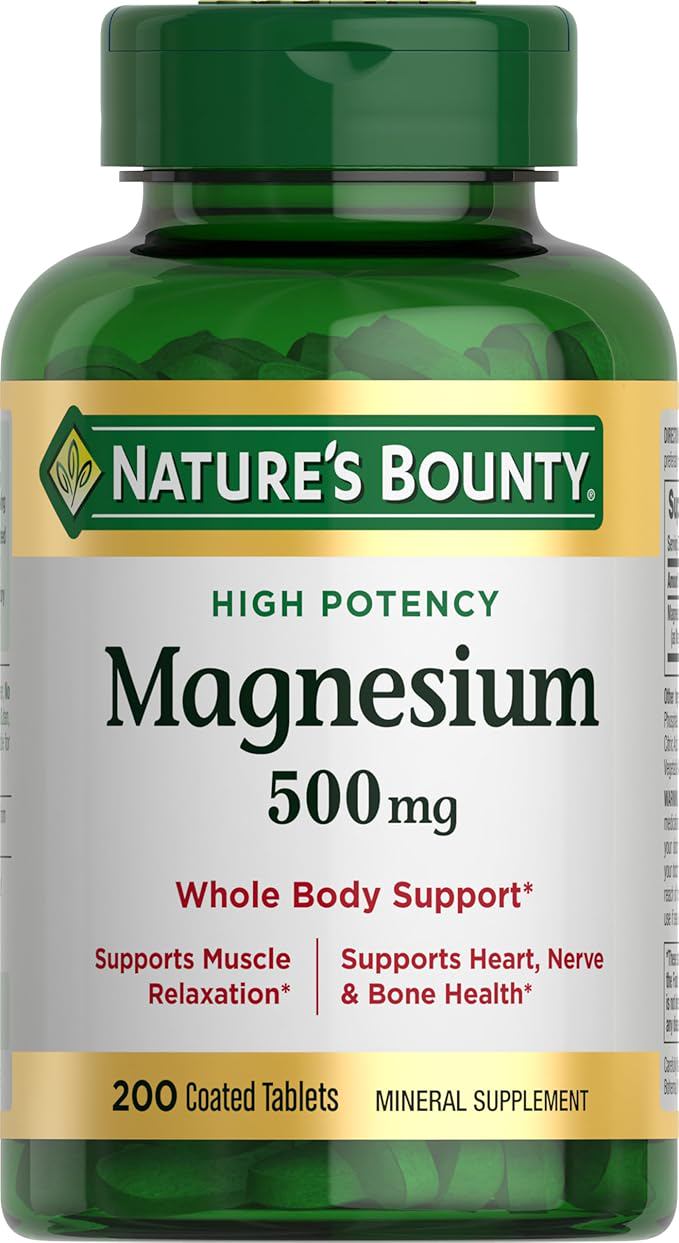
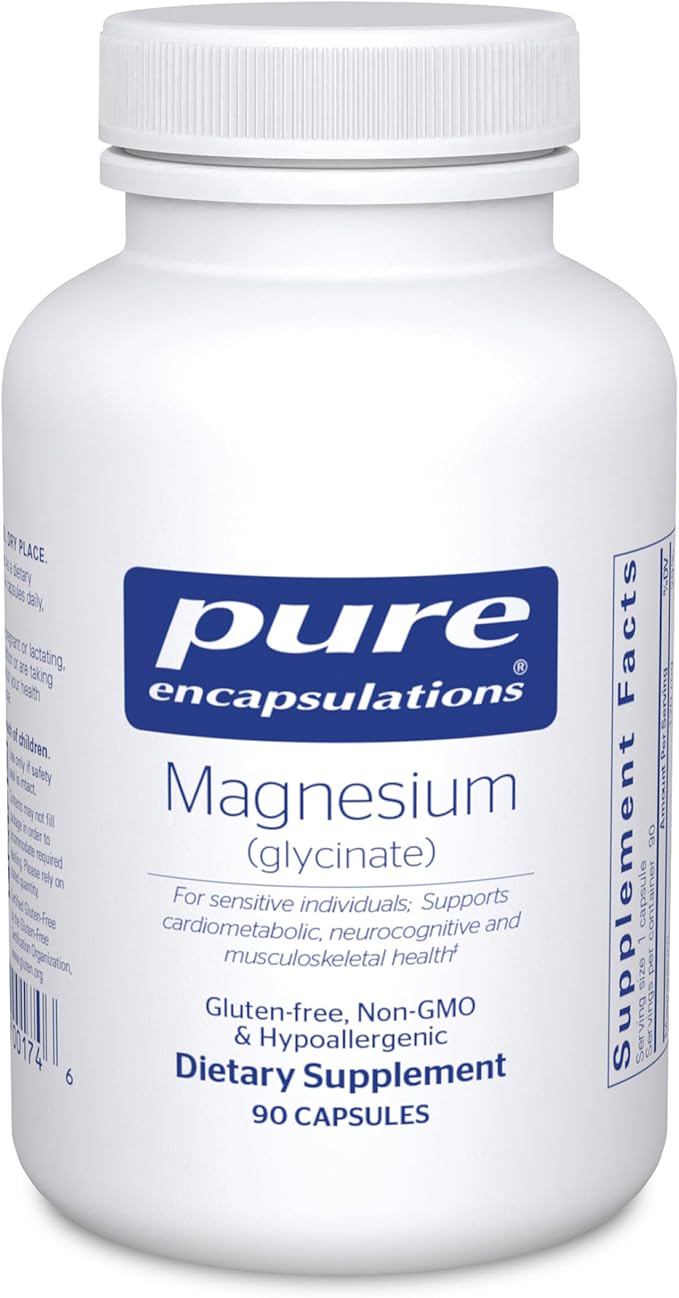
Kale, spinach, and Swiss chard are nutritional powerhouses during your period. They are excellent sources of magnesium, a mineral that helps relax smooth muscle tissue—the very type of muscle that contracts in your uterus. Magnesium also plays a role in regulating nerve impulses and reducing water retention. Furthermore, these greens replenish iron, which is lost through menstrual blood and whose depletion can worsen fatigue.
If you get bored of salads, try blending spinach into a smoothie, stirring chopped kale into a soup, or roasting broccoli with a drizzle of olive oil.
Ginger
Fresh ginger root is a time-honored remedy for nausea and digestive upset, which often accompany cramps. Its benefits extend to pain relief, thanks to compounds called gingerols that have demonstrated anti-inflammatory and analgesic effects. A warm cup of ginger tea can be particularly soothing, offering hydration and comfort in one.
Dark chocolate (with high cocoa content)
This is the comfort food that actually comforts. High-quality dark chocolate (aim for 70% cocoa or higher) is a rich source of magnesium and iron. That magnesium content directly aids in muscle relaxation, while the iron helps counter monthly losses. Dark chocolate also contains compounds that may boost mood. Enjoy a square or two mindfully, not a whole bar, to reap the benefits without overdoing sugar.
Warm herbal teas
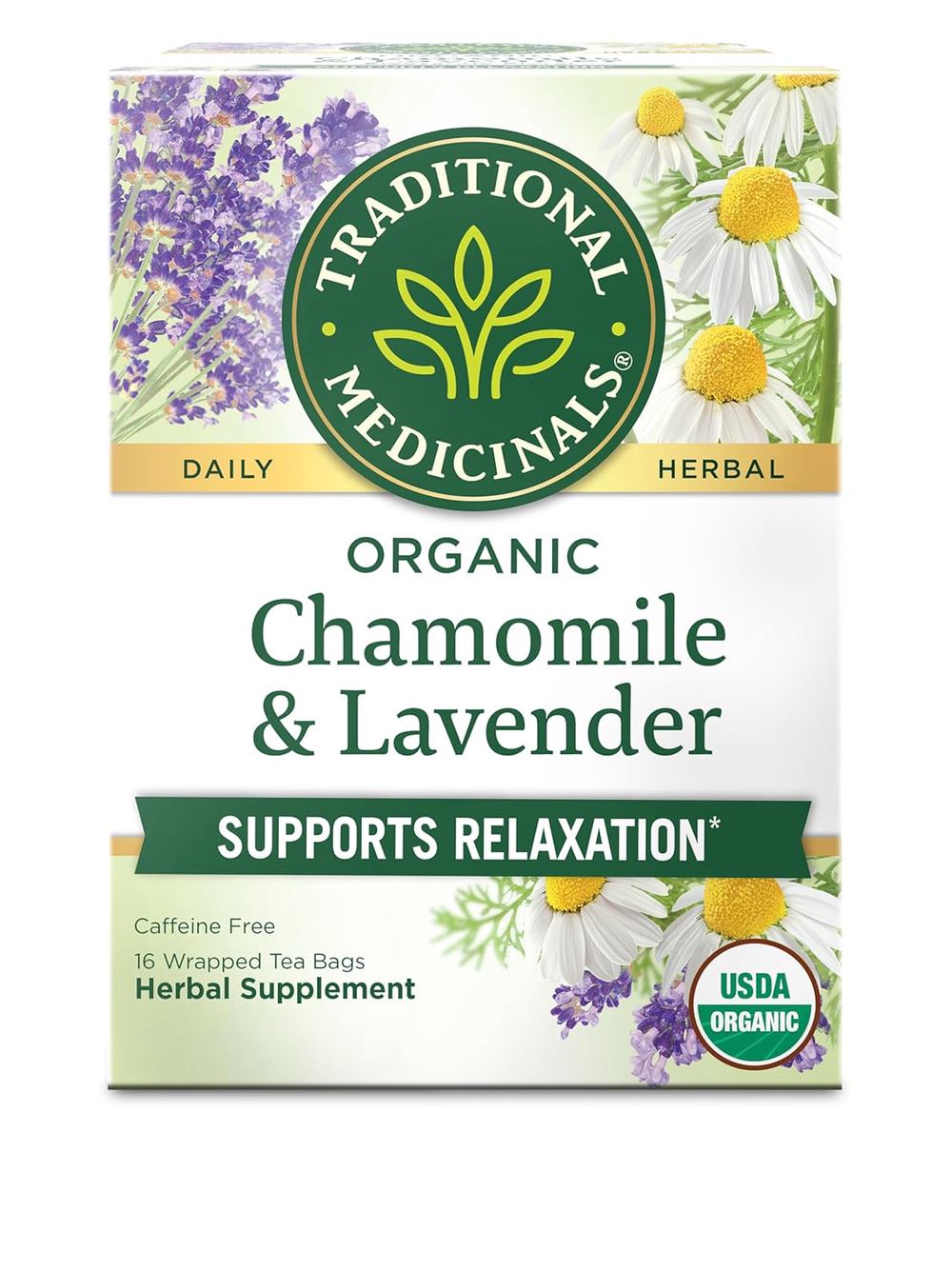
Hydration is crucial for reducing bloating, and warm liquids can be especially calming for cramping muscles. Chamomile tea stands out because it contains compounds that may increase glycine, an amino acid that helps relax nerves and ease muscle spasms. Peppermint tea is another excellent choice for soothing an upset stomach. Sipping these throughout the day is a simple, effective ritual.
Foods and drinks you might want to limit
While no food is completely off-limits, being mindful of these categories can help you avoid exacerbating common PMS and menstrual symptoms.
High-sodium processed foods
Chips, canned soups, frozen meals, and fast food are typically loaded with sodium. Excess salt encourages your body to retain water, significantly worsening the bloating and swollen feeling that comes with your period. Cooking at home with fresh herbs and spices gives you full control over sodium levels.
Refined sugars and simple carbs
Pastries, white bread, sugary cereals, and soda can cause rapid spikes and crashes in blood sugar. This rollercoaster can amplify mood swings, irritability, and energy crashes. These foods also promote inflammation, which may intensify cramping. Opting for complex carbohydrates like whole grains, oats, and sweet potatoes provides steadier energy and fiber.
Caffeinated beverages
Coffee, energy drinks, and strong black tea can act as vasoconstrictors, narrowing blood vessels. This may reduce blood flow to the uterus and potentially increase the severity of cramps for some people. Caffeine can also heighten anxiety and disrupt sleep, which are already common challenges pre-menstrually. If you're a regular coffee drinker, consider switching to half-caff or herbal tea in the days leading up to and during your period.
Listening to your body is the most important guide. If you notice a particular food consistently makes you feel worse a week before or during your period, it's worth experimenting with avoiding it. The goal is to build a toolkit of nourishing, comforting foods that make this time of the month more manageable.