
When you are navigating grief or a significant loss, it is common to reach for comfort foods. The urge to soothe emotional pain with familiar tastes is deeply human. Yet the foods we crave most during these vulnerable times can actually destabilize our mood, disrupt sleep, and drain the energy we need to heal. Understanding which foods to approach with caution—and why—can help you support your emotional stability while you cope.
The connection between what you eat and how you feel is not just about willpower. The gut-brain axis means your digestive system and emotional centers are in constant communication. Certain ingredients can spike stress hormones, trigger blood sugar crashes, and fuel inflammation—exactly the opposite of what your mind and body need during grief. Below are five types of foods to be mindful of, along with suggestions for gentler alternatives.
Why Comfort Foods Can Backfire When You’re Grieving
Loss taxes your entire system. Your body is already under strain, producing more cortisol and adrenaline. Adding foods that amplify that stress response can leave you feeling more agitated, fatigued, or emotionally fragile. The key is not to judge the craving but to recognize that a different choice can offer genuine relief rather than a temporary high followed by a harder crash.
1. Caffeinated and Sugary Drinks
Coffee, energy drinks, and soda are often used to push through the fog of grief, but they can worsen the problem. Caffeine is a stimulant that increases cortisol and adrenaline. When you are already emotionally raw, this can amplify feelings of anxiety, restlessness, or a racing heart. Sugar provides a quick spike in blood glucose that feels like a lift, but the subsequent crash often leaves you feeling irritable and low.
Try instead: Herbal teas like chamomile, lemon balm, or peppermint. Warm water with lemon or a small glass of tart cherry juice can provide comfort without the roller coaster.
2. Ultra-Processed Snacks and Fast Food
Chips, cookies, frozen meals, and fast food are engineered for taste and convenience, but they are also high in refined oils, sodium, and additives that promote inflammation. When you are grieving, your brain is already in a state of heightened sensitivity. Inflammatory foods can worsen mood and contribute to brain fog. The lack of nutrients in these foods also means your body gets little of the vitamins and minerals it needs to repair itself from stress.
Try instead: Simple, whole foods that require minimal effort—a piece of fruit, a handful of almonds, plain yogurt with honey, or whole-grain crackers with avocado.
3. Alcohol in Excess
Many people turn to alcohol to numb pain or unwind at the end of a heavy day. While a single drink may offer temporary relaxation, alcohol is a depressant that disrupts your sleep architecture and depletes neurotransmitters like serotonin and dopamine. Over days or weeks, this can worsen depression, increase anxiety, and make it harder to process grief. Alcohol also dehydrates you, adding physical stress to your system.
A better approach: If you choose to drink, do so in strict moderation and with food. Better yet, try a sparkling water with a splash of juice or a calming herbal infusion during those difficult evening hours.
4. Very High-Sugar Desserts
Beyond the sugar crash mentioned earlier, intensely sweet foods—candy, pastries, ice cream with added syrups—cause rapid shifts in blood sugar and insulin. These swings can mimic or intensify the emotional highs and lows of grieving. The brain releases dopamine when you eat sugar, creating a short-lived euphoria that can become a psychological crutch and prolong the feeling of emptiness.
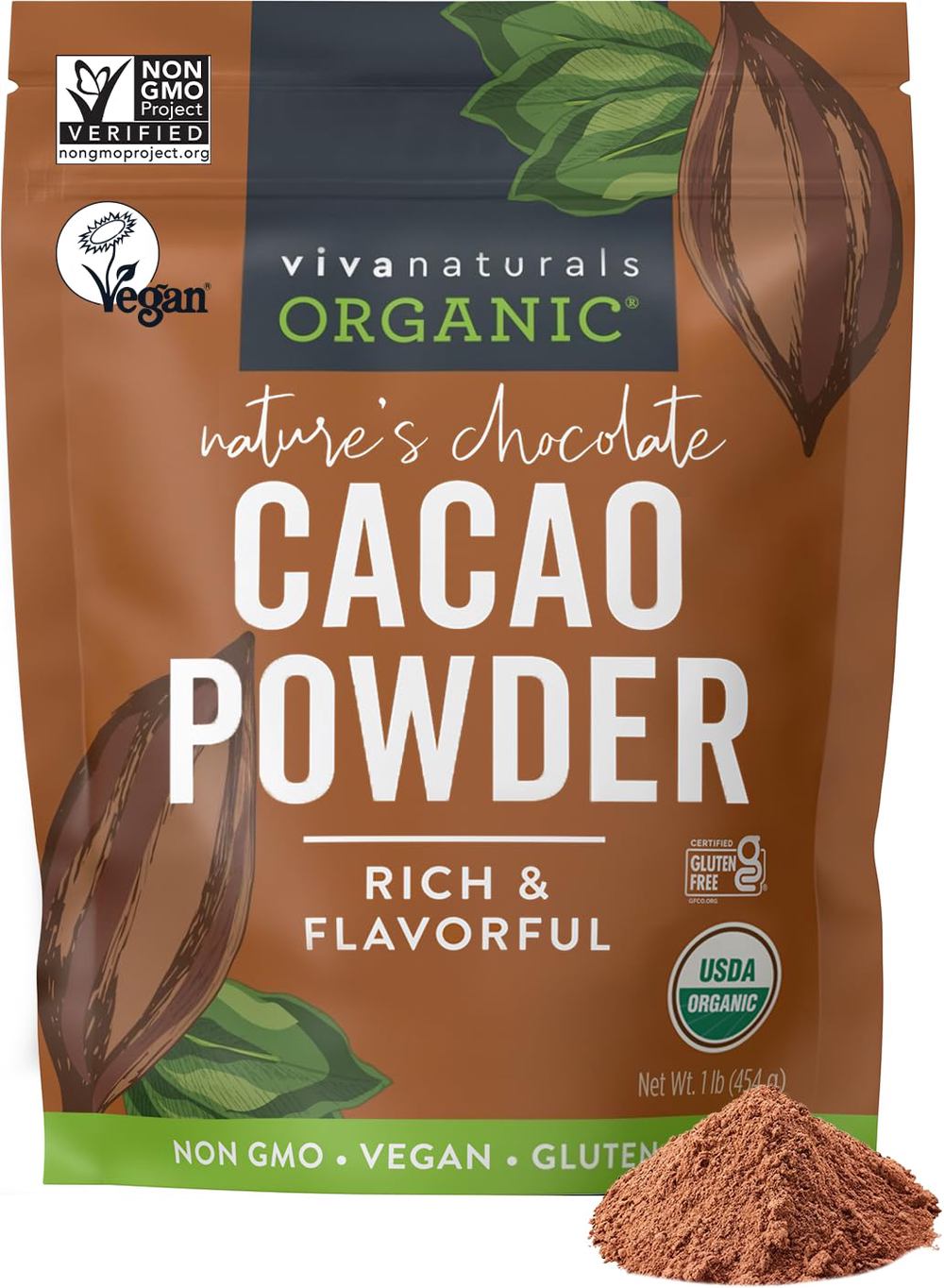
Try instead: A small square of dark chocolate (70% cacao or higher), dates stuffed with nut butter, or a bowl of berries with a drizzle of cream. These provide sweetness with more fiber and nutrients to stabilize your blood sugar.
5. Extremely Spicy or Heavy Meals
Spicy foods, fried dishes, and very rich sauces can trigger digestive distress, heartburn, and inflammation. Your gut is sensitive to emotional stress, and adding intense seasoning or heavy fats can worsen bloating, indigestion, and discomfort. When your body is already in a state of heightened sensitivity from grief, these physical symptoms can compound emotional distress.
Try instead: Warm, soothing meals—soups, stews, steamed vegetables, or gentle grain bowls. Bland does not mean boring; a lentil soup with mild herbs or a baked sweet potato with a little butter can be genuinely comforting.
Practical Tips for Eating Well During Grief
- Keep it simple. Grief drains decision-making energy. Stock your kitchen with easy, nourishing staples so you do not have to rely on willpower when you are exhausted.
- Stay hydrated. Dehydration often masquerades as fatigue or irritation. Keep a water bottle nearby and set small goals.
- Eat small, frequent meals. Large meals can feel overwhelming. Small portions every few hours keep your blood sugar steady and your energy more even.
- Honor your cravings without judgment. A single cookie or cup of coffee is not a problem. The concern is reliance on these foods for emotional regulation over days or weeks.
- Seek support. If eating feels impossible or out of control, talk to a therapist, counselor, or registered dietitian who understands grief and emotional eating.
Nourishing yourself gently does not mean ignoring pain. It means giving your body the baseline stability it needs to do the hard work of healing. By choosing foods that support rather than undermine your emotional state, you create a small but meaningful foundation of steadiness during a time that feels anything but steady.