If you’re navigating the ups and downs of menopause, you’ve likely discovered that what you eat doesn’t just affect your waistline—it can directly impact your sleep. Night sweats and hot flashes have a way of turning a peaceful night into a restless, sheet-twisting ordeal. While many factors are at play, your evening meal and snacks are a powerful lever you can pull. The connection is surprisingly direct: certain foods can trigger your body’s internal thermostat or disrupt the delicate chemistry needed for restful sleep.
Making a few thoughtful adjustments to your dinner plate and after-dinner habits can be a simple, effective strategy for reclaiming your nights. It’s not about a restrictive diet, but about choosing foods that work with your body’s changing rhythms, not against them. Let’s look at the key culprits that might be quietly sabotaging your rest.
Why does food affect night sweats?
Night sweats during menopause are primarily driven by fluctuating estrogen levels, which confuse the hypothalamus—your brain’s thermostat. When it mistakenly thinks you’re too hot, it kicks off a chain reaction to cool you down: dilating blood vessels and triggering sweat. Certain foods can act like a false signal to this already sensitive system, either by generating internal heat during digestion, causing blood sugar spikes and crashes, or containing compounds that directly affect blood vessels and hormones.
Think of it as adding fuel to a smoldering fire. By avoiding these triggers in the evening, you give your body a better chance to settle into a calm, cool state conducive to sleep.
Foods to reconsider in the evening
Spicy foods
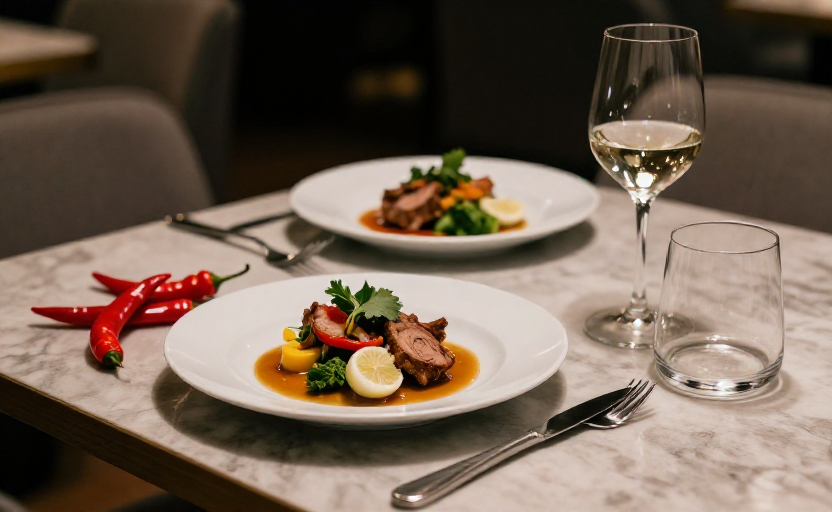
That bowl of spicy curry or plate of buffalo wings is a classic trigger. Capsaicin, the compound that gives chili peppers their heat, stimulates nerve receptors and can raise your core body temperature. It also sends signals that mimic the sensation of being overheated, potentially prompting a hot flash or night sweat as your body tries to cool down. Enjoy these flavorful dishes earlier in the day when your body has more time to process the thermogenic effect before bedtime.
Tip: If you love spice, try using herbs like basil, oregano, or dill for flavor in your evening meals instead.
Heavy, high-fat meals
A large, rich meal right before bed forces your digestive system to work overtime. This process, called diet-induced thermogenesis, generates body heat. Lying down soon after can also exacerbate acid reflux, which itself can disrupt sleep and create a feeling of warmth. Opt for a lighter evening meal that’s easier to digest, and try to finish eating at least two to three hours before you plan to sleep.
Alcohol
While a glass of wine might seem relaxing, alcohol is a double-edged sword for sleep and temperature regulation. It initially acts as a sedative but later disrupts sleep architecture, leading to more frequent awakenings in the second half of the night. Crucially, it’s also a vasodilator—it causes blood vessels to widen near the skin’s surface, creating a sudden feeling of warmth that can trigger a sweating episode. This effect is often pronounced as your body metabolizes the alcohol hours after consumption.
Caffeine
Caffeine is a stimulant that can delay sleep onset and reduce sleep quality, but its connection to night sweats is more subtle. By stimulating the central nervous system and increasing heart rate, it can heighten overall physiological arousal, making you more susceptible to temperature dysregulation. Remember, caffeine isn’t just in coffee; it’s also present in black tea, green tea, many sodas, and dark chocolate. Consider a cut-off time in the early afternoon.
High-sugar foods and refined carbs
Desserts, sugary snacks, white bread, and pasta can cause a rapid spike in blood sugar. Your body responds by releasing insulin to bring levels down, sometimes leading to a reactive drop (hypoglycemia) later. This swing can stimulate the release of stress hormones like adrenaline and cortisol, which can wake you up and may trigger sweating as your body reacts to the perceived “crisis” of low blood sugar.
What to embrace instead
Shifting focus to what you *can* eat is more empowering than just listing restrictions. Building your evening meal around a balance of lean protein, high-fiber complex carbohydrates, and healthy fats can promote stable blood sugar and support sleep.
- Complex carbohydrates: Foods like oats, quinoa, sweet potatoes, or whole-grain bread can help tryptophan reach the brain, aiding in the production of sleep-supportive melatonin.
- Lean proteins: A small portion of turkey, chicken, fish, tofu, or legumes provides steady energy without overtaxing digestion.
- Calcium-rich foods: Some research suggests calcium may be helpful. Think yogurt, kefir, leafy greens, or fortified plant milk.
- Hydration: Sip water throughout the day, but taper off an hour or two before bed to avoid nighttime bathroom trips.
Listening to your body is key. You might find one food affects you profoundly while another doesn’t. Keeping a simple log of your evening food and sleep quality for a week or two can reveal your personal triggers.
This approach isn’t a cure-all, but it’s a practical piece of the puzzle. By making your evening plate a ally for calm, you’re creating the best possible internal environment for rest—and giving yourself a much better chance of waking up refreshed.