Our intimate health is a delicate ecosystem, influenced by hormones, blood flow, and nerve function. While we often focus on what to add—superfoods, supplements, specific exercises—what we choose to remove from our plates can be just as powerful. Certain everyday foods, when consumed in excess, can subtly drain our vitality, dampen libido, and disrupt the physiological balance needed for a vibrant intimate life. It’s not about fear or deprivation, but about making informed, gentle choices that support your body’s natural energy.
Think of it as tending a garden. You wouldn’t pour soda on the soil and expect the most vibrant blooms. Nourishing sexual wellness works the same way; it thrives on quality fuel. By understanding how some common dietary choices might be working against you, you can create more space for the foods that truly energize and support you.
Why does diet affect sexual energy and health?
Sexual function is a whole-body event. It requires robust circulation to deliver oxygen and nutrients, a balanced hormonal environment, healthy nerves for sensation, and a mind free from inflammation-induced fog or fatigue. The foods we eat directly influence each of these systems. They can either promote the flexible, responsive blood vessels needed for arousal, or contribute to the stiff, clogged arteries that hinder it. They can help balance key sex hormones like testosterone and estrogen, or throw them off-kilter. They can either fuel cellular energy or promote systemic inflammation that leaves you feeling drained.
What you eat doesn't just feed your stomach; it feeds every cell, including those responsible for your intimate well-being.
This connection isn’t about a single meal causing an immediate problem. It’s the pattern, the consistent daily choices, that sets the stage. By minimizing foods that work against these core systems, you’re not just avoiding a negative—you’re actively creating a more supportive internal environment for passion and connection to flourish.
Foods that may dampen your intimate vitality
Let’s look at some common categories. The goal isn’t to label these foods as “bad,” but to understand their potential impact so you can make conscious decisions about their place in your diet.
Heavily processed and fried foods
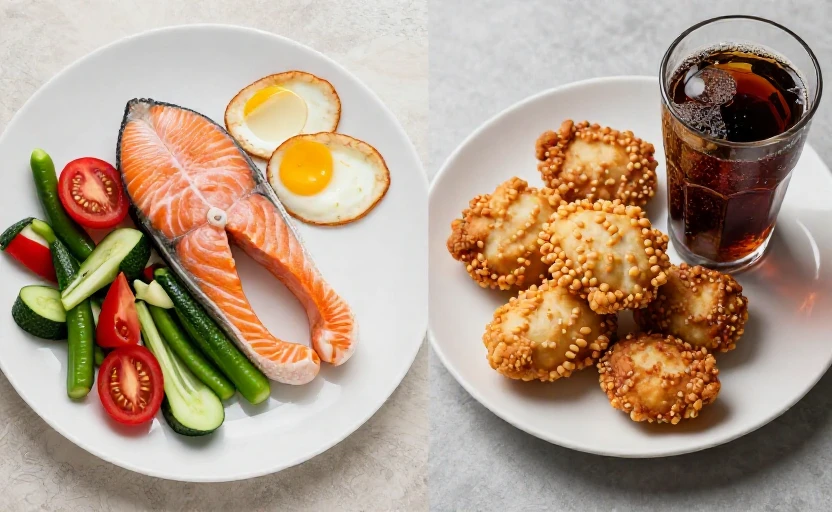
That bag of chips, fast-food fries, or packaged pastries often contains high levels of unhealthy trans and saturated fats. These fats are notorious for promoting inflammation and contributing to the buildup of plaque in arteries—a process called atherosclerosis. When this affects the delicate blood vessels supplying the pelvic region, it can significantly impair blood flow, a critical component of arousal and physical response for all genders. Furthermore, the high calorie content with little nutritional payoff can lead to weight gain, which is associated with hormonal imbalances and reduced sexual desire.
Sugary drinks and excessive added sugars
Sodas, sweetened coffees, energy drinks, and even many fruit juices deliver a rapid spike in blood sugar. The body responds with a surge of insulin to manage it. Over time, this cycle can lead to insulin resistance, a state linked to low-grade inflammation and hormonal disruption. For instance, it can lower testosterone levels in men and contribute to conditions like Polycystic Ovary Syndrome (PCOS) in women, both of which can affect libido and reproductive health. The energy crash that follows a sugar high also doesn’t help when you’re looking for sustained, feel-good energy.
High-mercury fish
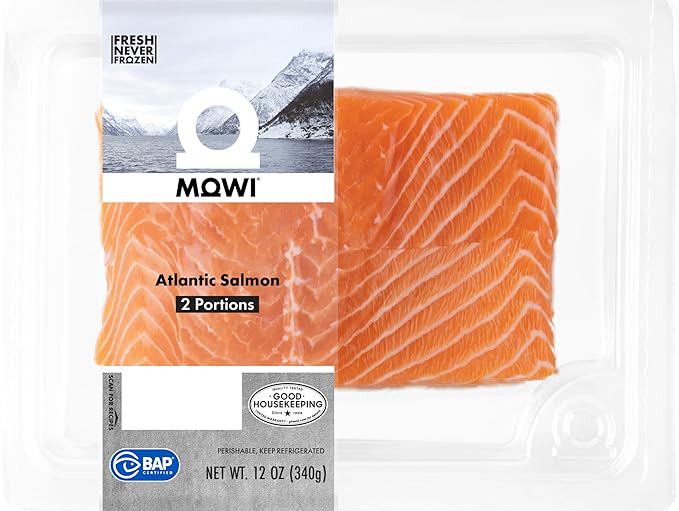
Fish is generally an excellent source of omega-3 fatty acids, which are fantastic for heart and blood vessel health. However, certain large, predatory fish—like swordfish, king mackerel, shark, and some types of tuna (especially bigeye)—can accumulate high levels of mercury. Mercury is a known neurotoxin that can interfere with the nervous system and may disrupt hormonal pathways. Since the nervous system is key for sexual arousal and sensation, and hormones are the conductors of desire, it’s wise to limit these specific varieties. Opt instead for low-mercury choices like salmon, sardines, and trout.
Excessive alcohol
A glass of wine might help with initial relaxation, but alcohol is ultimately a depressant. It numbs the central nervous system, which can dull physical sensation and make achieving orgasm more difficult. For men, it can temporarily impair the ability to get or maintain an erection. Chronically, heavy drinking can lead to long-term nerve damage, liver dysfunction (which disrupts hormone metabolism), and decreased testosterone production. It also dehydrates the body, which is never a friend to healthy mucous membranes or energy levels.
Refined carbohydrates
White bread, pastries, white rice, and regular pasta act very much like sugar in the body. They are quickly broken down, causing those same blood sugar and insulin spikes that promote inflammation. This inflammatory state can damage blood vessel linings and is linked to endothelial dysfunction—a fancy term for blood vessels that don’t relax and expand properly. Since healthy sexual response relies on vasodilation (the widening of blood vessels), consistently eating refined carbs can quietly undermine this essential process.
Building a plate for better intimate health
Shifting focus is more effective than fixating on restriction. Instead of thinking about what to avoid, consider what you can add to crowd out the less supportive choices. Fill your plate with colorful vegetables and fruits rich in antioxidants to combat inflammation. Include lean proteins and healthy fats from sources like avocados, nuts, and olive oil to support hormone production. Choose whole grains for steady energy. Stay wonderfully hydrated with water. This approach naturally reduces the space and desire for foods that don’t serve your vitality.
Listen to your body. Notice how you feel after different meals. Does a heavy, greasy lunch leave you sluggish for hours? Does a sugar-laden snack lead to an energy crash? Tuning into these signals is a powerful tool for personalizing your approach to nutrition and wellness.
Finally, remember that intimacy is holistic. Diet is one powerful pillar, but it works best alongside other supportive habits: managing stress (a major libido killer), getting quality sleep, engaging in regular physical activity to boost circulation and confidence, and fostering emotional connection with your partner. When these elements align, you create the strongest possible foundation for a fulfilling and energetic intimate life.