
For many navigating menopause, the evening can bring a particular challenge. Just as you’re settling into bed, a wave of heat can surge, disrupting sleep and leaving you feeling restless. While many factors influence hot flashes, what you eat for dinner can play a surprisingly direct role. The right foods won’t act as a cure, but they can help create a more stable internal environment, potentially turning down the thermostat for a more peaceful night.
Think of your body’s temperature regulation like a delicate thermostat. Certain foods can act as fuel for the fire, while others can help cool the system. The goal isn’t a restrictive diet, but a strategic approach to your evening meal—focusing on nutrients that support hormonal balance, promote calm, and avoid triggering sudden spikes in body heat.
How can dinner affect hot flashes?
Hot flashes are linked to fluctuating estrogen levels, which affect the hypothalamus—your brain’s temperature control center. When estrogen drops, the hypothalamus can become more sensitive, misreading small changes and triggering a cooling response (the hot flash) at the wrong time. What you eat in the hours before bed can influence this system in a few key ways. Some foods cause blood vessels to dilate, mimicking the sensation of a flash. Others can cause blood sugar spikes and crashes, stressing the body. Conversely, foods rich in specific vitamins, minerals, and plant compounds can provide the building blocks for more stable nerve function and hormone metabolism.
The evening meal is your chance to set a calm, cool tone for the night ahead.
Foods to include in your evening meal
Building your dinner plate with these supportive foods is a practical step toward greater comfort. The focus is on whole, nutrient-dense options that work together.
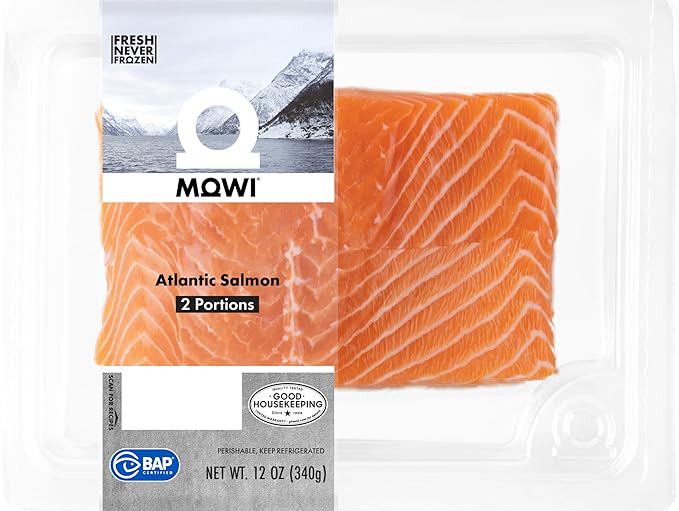
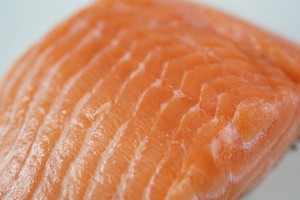
Fatty fish like salmon or sardines
Omega-3 fatty acids, abundant in fatty fish, are celebrated for their anti-inflammatory properties. Chronic, low-grade inflammation can exacerbate menopausal symptoms, including hot flashes. Including a serving of salmon, mackerel, or sardines a few times a week provides these beneficial fats. They also support cardiovascular and brain health, which is crucial during this life stage. For a simple dinner, try a baked salmon fillet with roasted vegetables.
Leafy green vegetables
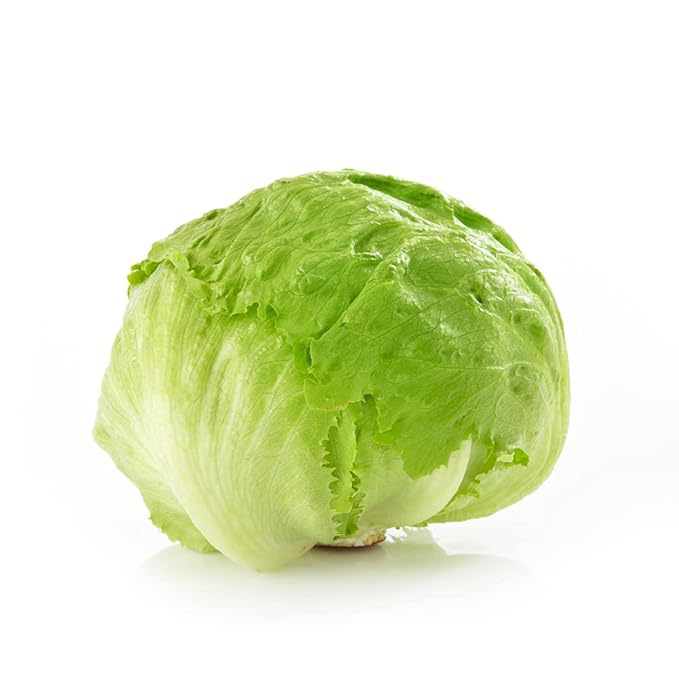
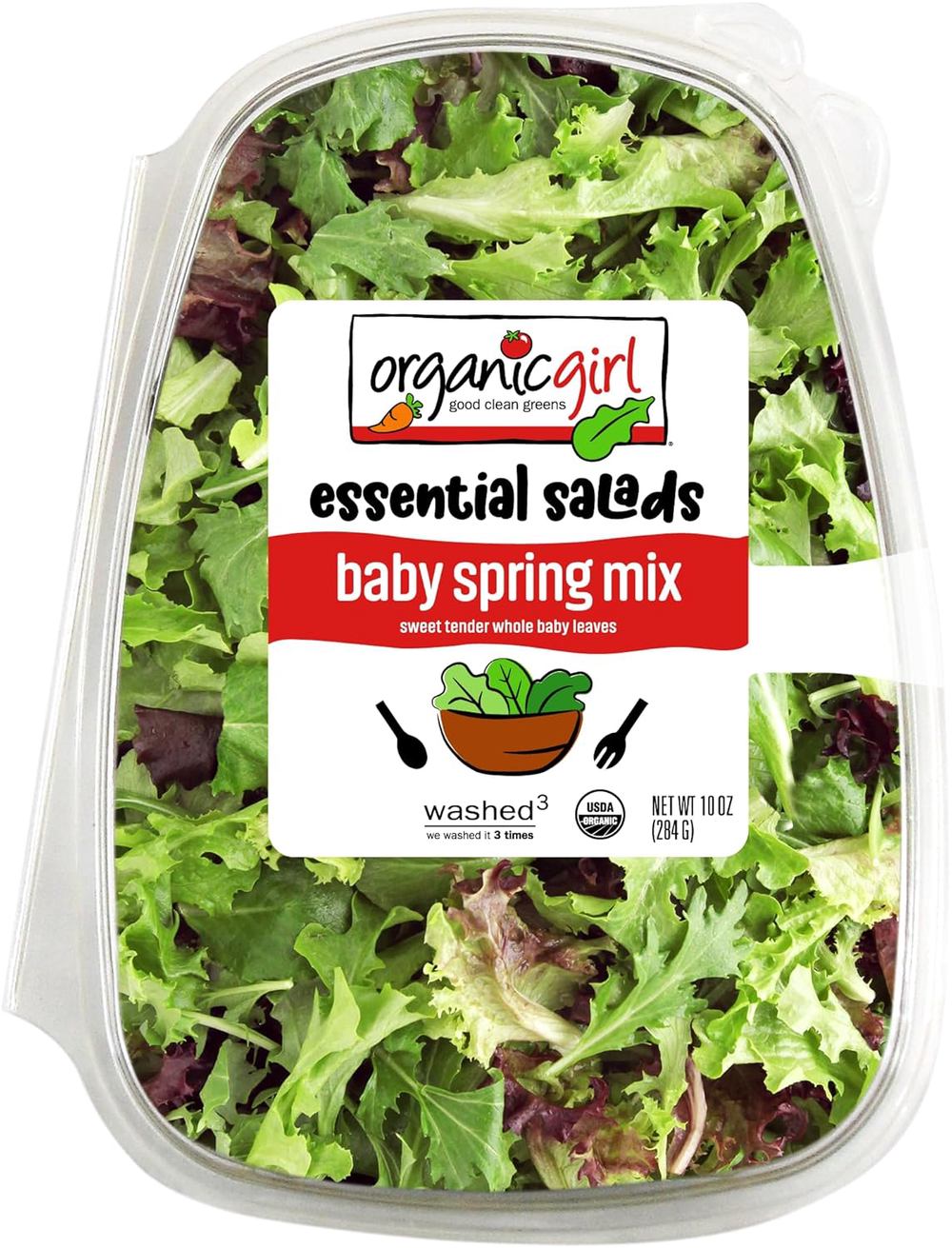
Spinach, kale, Swiss chard, and collard greens are powerhouses of magnesium. This mineral acts as a natural relaxant for the nervous system and muscles, which can help your body wind down. Magnesium also plays a role in the biochemical pathways that regulate neurotransmitters and hormones. A magnesium deficiency may make you more susceptible to stress and sleep disruption. Tossing a large handful of greens into a stir-fry, soup, or as a bed for your protein is an easy win.
Whole soy foods
Edamame, tofu, and tempeh contain natural plant compounds called isoflavones. These have a mild, estrogen-like effect in the body and may help modulate the activity of your own hormones. Research on soy and hot flashes has shown mixed results, but consistently, whole soy foods appear more beneficial than processed supplements. Think of them as a gentle, dietary support. Cubed firm tofu in a curry or a side of steamed edamame are excellent dinner additions.
Whole grains like quinoa or brown rice
Complex carbohydrates from whole grains help regulate blood sugar levels throughout the night. A sharp drop in blood sugar (hypoglycemia) can trigger the release of stress hormones like adrenaline, which can, in turn, provoke a hot flash. Choosing quinoa, barley, farro, or brown rice over refined grains provides a steady release of energy and is rich in B vitamins, which are essential for energy production and neurological function.
Plain Greek yogurt
A small serving of plain, unsweetened Greek yogurt after dinner or as part of a light meal offers a double benefit. It’s an excellent source of protein, which promotes satiety and stable blood sugar. Perhaps more importantly, it provides calcium. Calcium needs increase after menopause, and adequate intake is vital for bone health. Some women also report that calcium-rich foods help with overall symptom management. Top it with a few berries for a touch of natural sweetness.
Foods and habits to be mindful of in the evening
Just as some foods can help, others are best minimized as bedtime approaches. These are common triggers that can overstimulate your nervous system or cause blood vessels to dilate.
- Spicy foods: Capsaicin, the compound that gives chili peppers their heat, can directly stimulate heat receptors and trigger sweating.
- Caffeine: Found in coffee, tea, soda, and chocolate, caffeine is a stimulant that can interfere with sleep and may provoke flashes in some.
- Alcohol: Especially red wine. While it might seem relaxing, alcohol causes blood vessels to dilate, creating a flushing sensation, and can disrupt sleep cycles later in the night.
- Large, heavy, or sugary meals: Digesting a big meal raises your core body temperature and metabolic rate. High-sugar desserts can lead to a blood sugar rollercoaster.
It’s also helpful to finish eating at least two to three hours before lying down. This gives your body time to begin digestion so you’re not generating metabolic heat while trying to fall asleep.
Putting it all together
The goal is a balanced, satisfying plate that leaves you feeling nourished, not stuffed. A simple template to follow: fill half your plate with non-starchy vegetables (like those leafy greens), a quarter with a lean protein (like fish or tofu), and a quarter with a complex carbohydrate (like quinoa). Drink plenty of water throughout the evening, as dehydration can sometimes be mistaken for overheating.
Listen to your body and keep a gentle log if you can. Notice which meals seem to be followed by a calmer night. This personal awareness, combined with a focus on these supportive foods, can be a powerful tool for finding more comfort and rest during menopause.