After a sexual health screening—whether it was a routine STI test, a Pap smear, or a pelvic exam—your body benefits from extra support. The vaginal microbiome is a delicate ecosystem, and any internal exam or swab can temporarily disturb its balance. While your body naturally restores itself, certain foods can help replenish good bacteria, reduce inflammation, and support healing from the inside out.
Below are five evidence-informed foods that promote vaginal health after a screening. Think of these as gentle, nourishing additions to your post-appointment routine—not medical prescriptions or replacements for follow-up care.
1. Yogurt and Other Fermented Foods
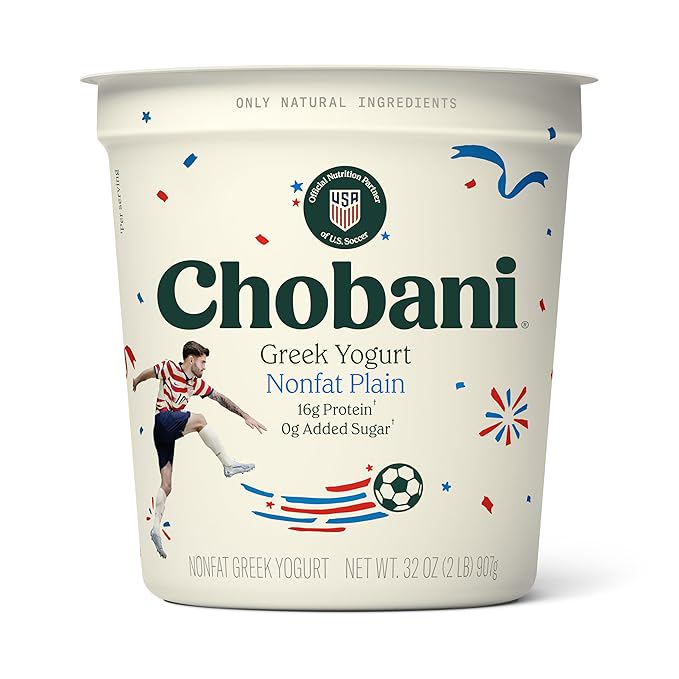
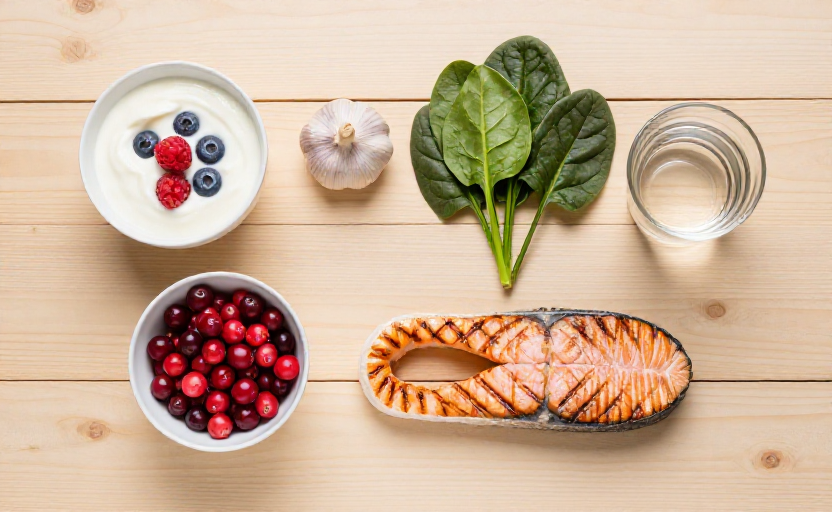
Yogurt containing live active cultures—particularly Lactobacillus strains—is one of the most widely recognized foods for vaginal health. Lactobacillus bacteria produce lactic acid, which helps maintain the vagina's natural acidic pH (around 3.8–4.5). This acidic environment discourages harmful bacteria and yeast from overgrowing.
During a pelvic exam or swabbing, the protective biofilm inside the vagina can be lightly disrupted. Reintroducing beneficial bacteria through yogurt, kefir, or fermented vegetables like sauerkraut and kimchi may help restore balance quickly. Look for plain, unsweetened yogurt to avoid added sugars that can feed unwanted yeast.
A note on probiotics: While eating yogurt is safe and supportive, talk to your healthcare provider before starting a high-dose probiotic supplement after a screening—especially if you are immunocompromised.
2. Garlic
Garlic has long been used for its antimicrobial properties, and modern research supports its ability to fight certain bacteria and fungi. Allicin, the active compound in crushed or chopped garlic, exhibits activity against Candida species and some pathogenic bacteria.
After a screening, your vaginal flora may be in a temporary state of flux. Including fresh garlic in your cooking—not as a supplement or vaginal insert—can provide mild immune support without the risks associated with direct application. Add it to stir-fries, soups, or salad dressings for both flavor and function.
Important: Do not place garlic directly in the vagina. This can cause burns, irritation, and worsen infection. Stick to dietary use only.
3. Leafy Greens and Cruciferous Vegetables
Vegetables like kale, spinach, broccoli, and Brussels sprouts are rich in folate, vitamin C, and fiber. Folate supports cell repair and regeneration—helpful after any minor tissue disturbance from a speculum or brush. Vitamin C is a key antioxidant that aids immune function and collagen production, both of which support the integrity of vaginal tissues.
These vegetables also contain indole-3-carbinol, a compound that helps the liver metabolize estrogen effectively. Balanced estrogen levels contribute to healthy cervical mucus and a stable vaginal lining. After a screening, when your body is naturally recalibrating, this gentle hormonal support can be especially beneficial.
4. Cranberries (Unsweetened)
Cranberries are best known for urinary tract health, but their benefits extend to the vaginal area too. Proanthocyanidins in cranberries help prevent bacteria—particularly E. coli—from adhering to mucosal surfaces. This anti-adhesion property can reduce the risk of a post-screening urinary tract infection, which sometimes occurs after pelvic exams due to urethral proximity.
Choose unsweetened cranberry juice, fresh or frozen cranberries, or dried cranberries with no added sugar. Sugary cranberry cocktails can feed yeast and offset the protective effect. A small glass of pure, unsweetened cranberry juice a day is generally safe for most people.
Caveat: If you have a history of kidney stones or are on blood-thinning medication, check with your doctor before increasing cranberry intake.
5. Fatty Fish
Salmon, mackerel, sardines, and anchovies are rich in omega-3 fatty acids (EPA and DHA). Omega-3s are well-known for their anti-inflammatory effects. After a screening that may have caused mild cervical or vaginal irritation, reducing inflammation can help tissues heal faster and minimize discomfort.
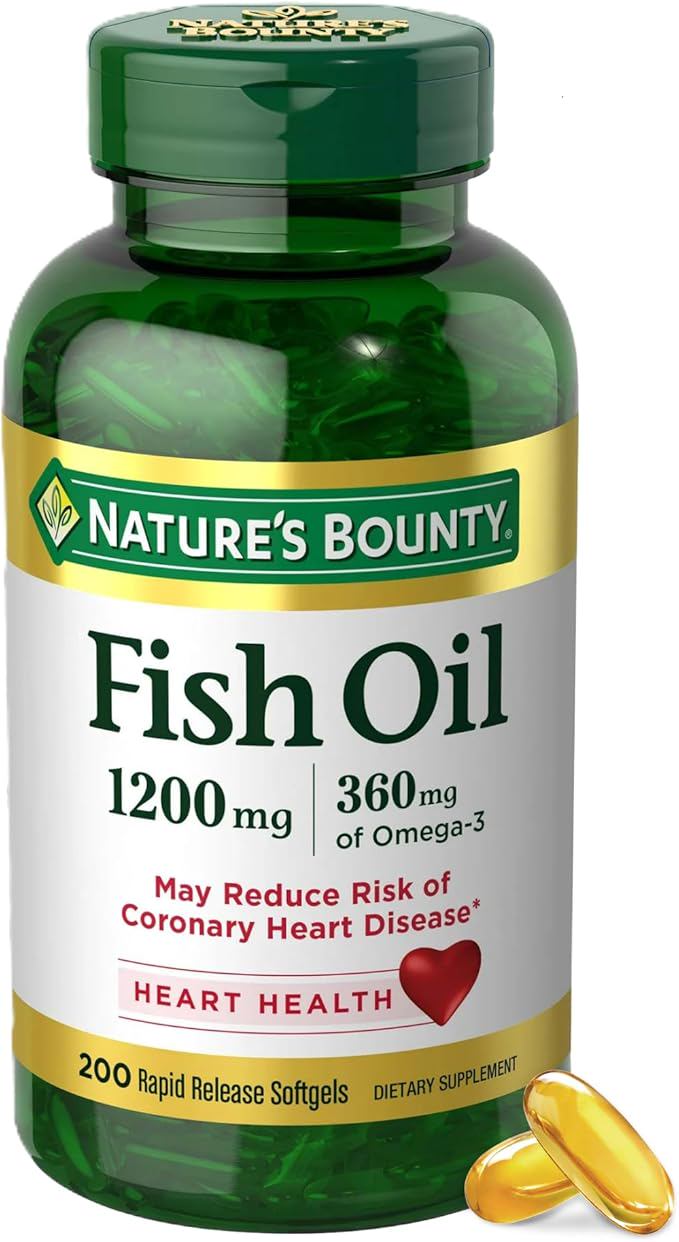
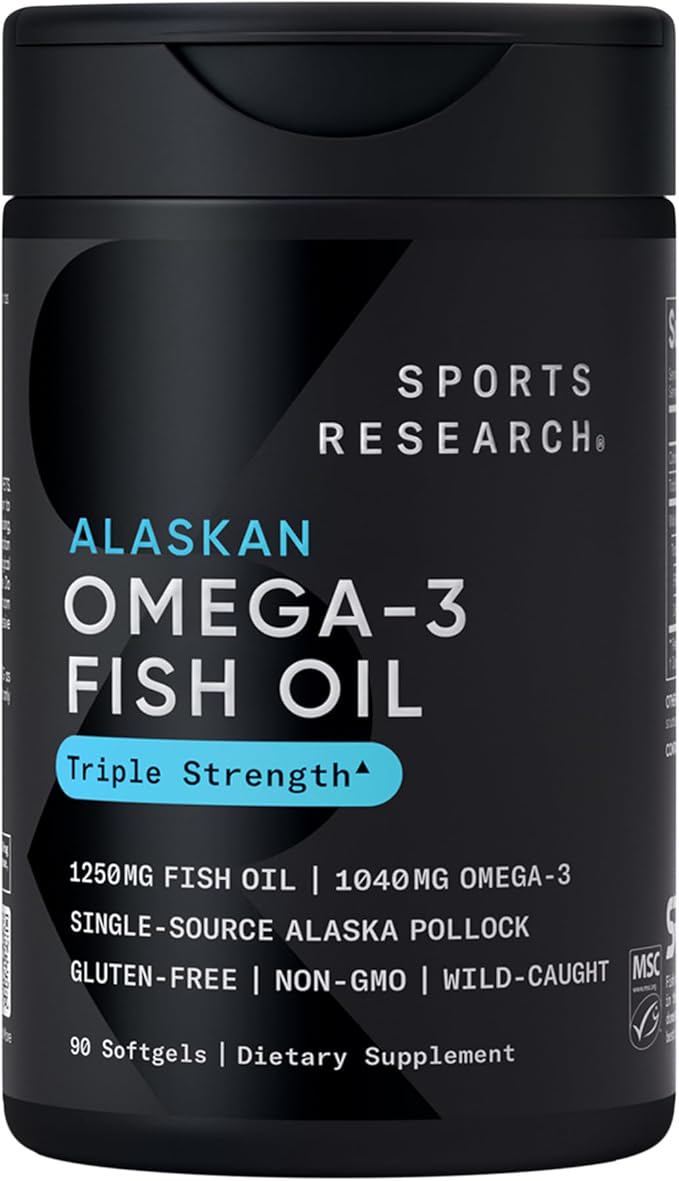
Omega-3s also support the immune system's ability to mount a measured response—neither under- nor over-reacting. This is particularly relevant after a procedure that temporarily disrupts the vaginal barrier. Aim for two servings of fatty fish per week, or consider a fish oil supplement (again, after consulting your healthcare provider).
Practical Tips for Post-Screening Nutrition
- Stay hydrated. Water helps maintain healthy vaginal secretions and flushes the urinary tract.
- Limit sugar and refined carbs. Excess sugar can promote yeast overgrowth, especially when the microbiome is off-balance.
- Avoid douching or scented products. These can disrupt the flora further; let your diet do the work.
Incorporating these foods into a balanced diet supports your body's innate ability to restore its vaginal ecosystem. No single food is a cure or a guarantee against infection, but consistent, gentle nutrition can make a meaningful difference in how you feel after a screening.