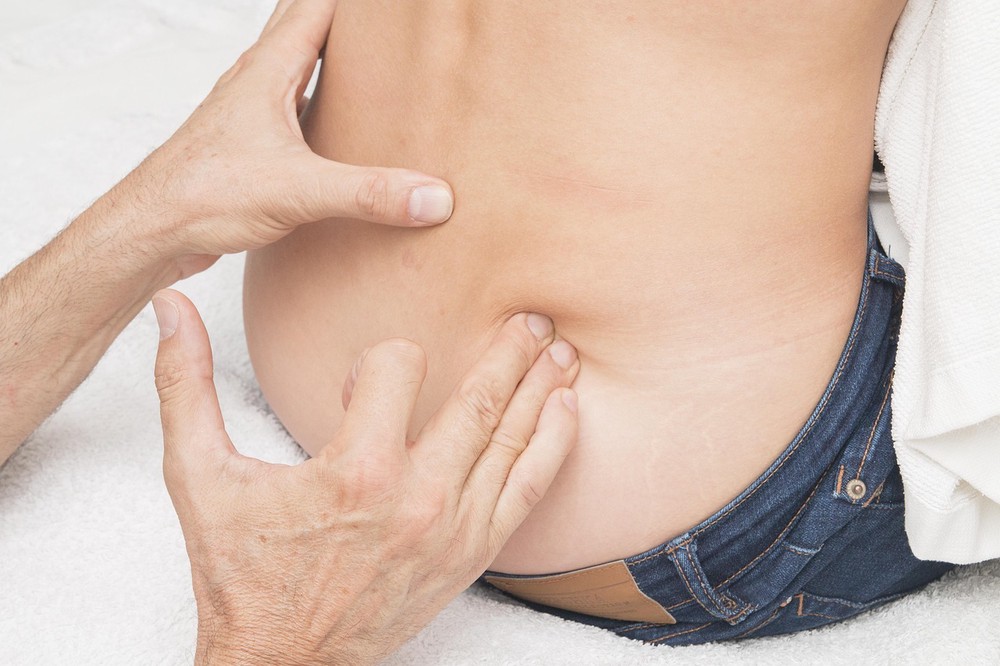
The pelvic floor is one of those parts of the body we don't think about until it starts giving us trouble. During perimenopause, the decline in estrogen can weaken these supportive muscles, often leading to urinary leakage, a feeling of pelvic pressure, or less sensation during intimacy. While Kegels and physical therapy get a lot of attention, what you put on your plate matters just as much.
Here are five foods that research and dietitians often point to for supporting pelvic floor strength during this transitional time. None of these are a quick fix, but used consistently as part of a balanced diet, they can make a meaningful difference.
1. Wild salmon and other fatty fish
Fatty fish like salmon, mackerel, and sardines are rich in omega-3 fatty acids. These healthy fats are well known for their anti-inflammatory effects. Chronic low-grade inflammation can accelerate muscle breakdown and weaken connective tissue, including the fascia that helps support the pelvic organs. Omega-3s also support collagen synthesis, which is key for maintaining the integrity of pelvic floor tissues. Aim for two servings of fatty fish per week. If you don't eat fish, a high-quality algae-based omega-3 supplement is a reasonable alternative, though whole food sources offer additional benefits like vitamin D and selenium.
2. Leafy greens and cruciferous vegetables
Estrogen metabolism happens largely in the liver, and the byproducts are eliminated through the bowel. Leafy greens like kale and spinach, along with cruciferous vegetables such as broccoli, Brussels sprouts, and cabbage, contain compounds called indoles that support a healthy estrogen detoxification pathway. This matters because perimenopause is a time of hormonal flux. Helping your body clear out used estrogen more efficiently may ease some symptoms and support tissue health throughout the pelvic region. These vegetables are also high in fiber, which prevents constipation — straining on the toilet is a major stressor on an already vulnerable pelvic floor.
3. Citrus fruits and bell peppers
Vitamin C is a direct cofactor in the production of collagen, the main structural protein in connective tissue. The pelvic floor is essentially a hammock of muscle and connective tissue, and that connective tissue relies on adequate collagen to stay thick and resilient. Citrus fruits, bell peppers, strawberries, and kiwi are all excellent sources. Getting enough vitamin C from food (not just supplements) also provides flavonoids and other antioxidants that protect existing collagen from breakdown. A simple salad of red bell pepper strips and orange segments with a light vinaigrette is an easy way to add this to your day.
4. Bone broth or collagen-rich foods
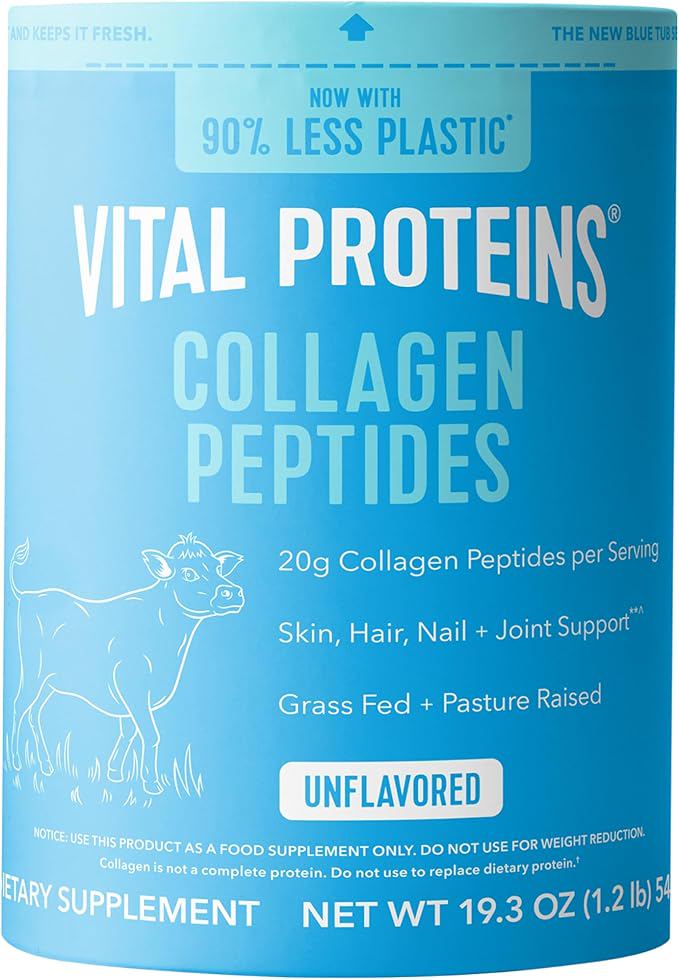
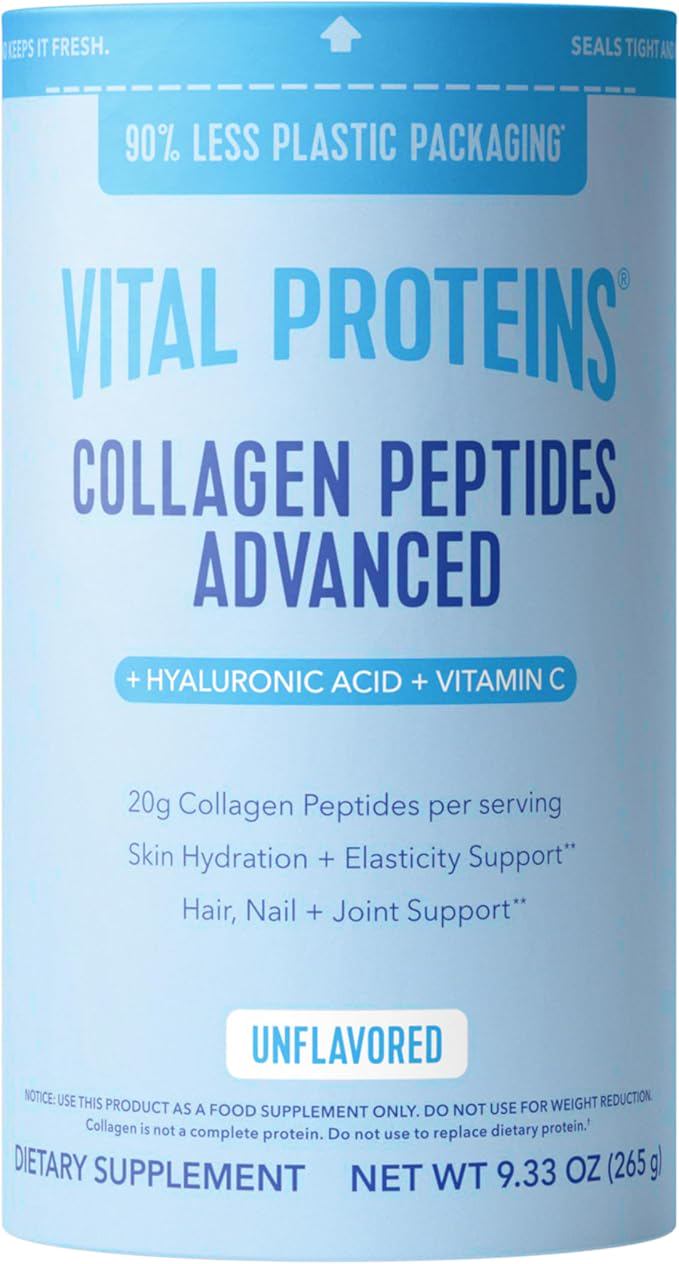
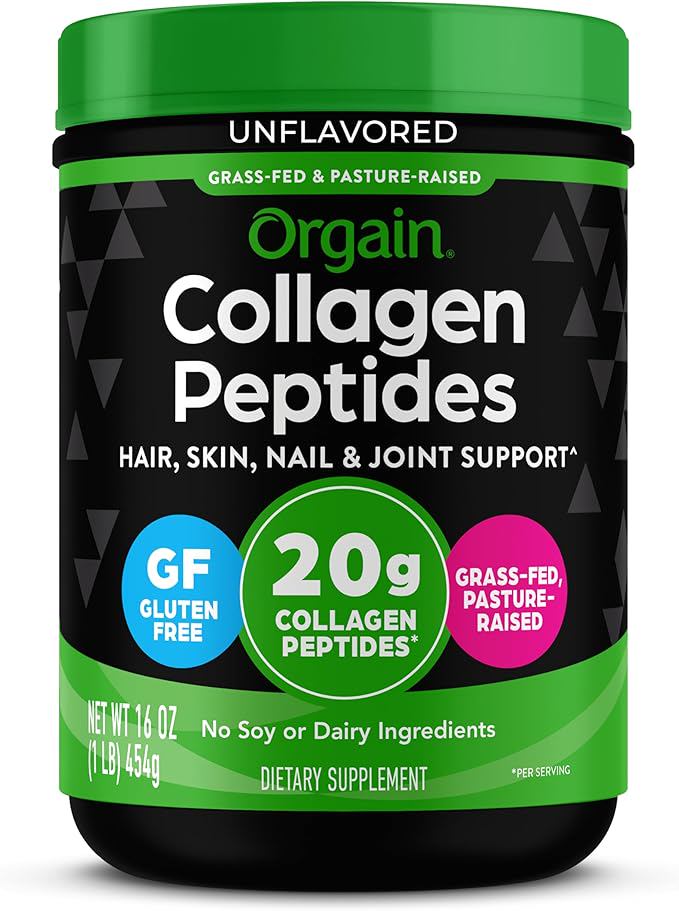
Bone broth contains gelatin and specific amino acids, particularly glycine and proline, that are the building blocks of collagen. While the body can make these amino acids, direct dietary sources can be helpful when demand is high — and perimenopause can be a time of increased tissue turnover. Chicken or beef bone broth is a traditional option, but you can also get similar compounds from slow-cooked meats, chicken skin, and fish skin. If you use a collagen peptide powder, look for one made from grass-fed animals and without added sugars or artificial flavors. Stir it into soups, stews, or warm tea.
5. Flaxseeds and legumes
Lignans, a type of phytoestrogen found abundantly in flaxseeds, have a mild balancing effect on estrogen levels. They are not a replacement for lost estrogen, but they may help modulate how your body responds to its own fluctuating hormones. Ground flaxseeds are easiest to digest and absorb. Legumes like lentils and chickpeas are rich in magnesium, a mineral that plays a role in muscle relaxation. Pelvic floor muscles that are chronically tight or prone to spasm can benefit from adequate magnesium intake. Together, flaxseeds and legumes support the double goal of hormonal balance and muscle function.
None of these foods are a substitute for pelvic floor physical therapy or proper medical evaluation if you are experiencing significant symptoms like urinary incontinence or pelvic organ prolapse. But they can work as a long-term nutritional foundation to help keep those muscles and connective tissues as strong and resilient as possible during perimenopause.