The link between food and mood is more than a wellness cliché. What lands on your plate can influence how you feel hours later—and, for some young adults, certain foods may quietly amplify feelings of loneliness, emotional withdrawal, or social disconnection. While diet alone isn't a cure for mental health challenges, emerging research suggests that what you eat can either support emotional resilience or nudge you toward isolation.
Here are five foods that may worsen loneliness and emotional withdrawal in young adults, along with simple, evidence-informed swaps that can help you feel more connected—to yourself and others.
1. Ultra-processed snack foods
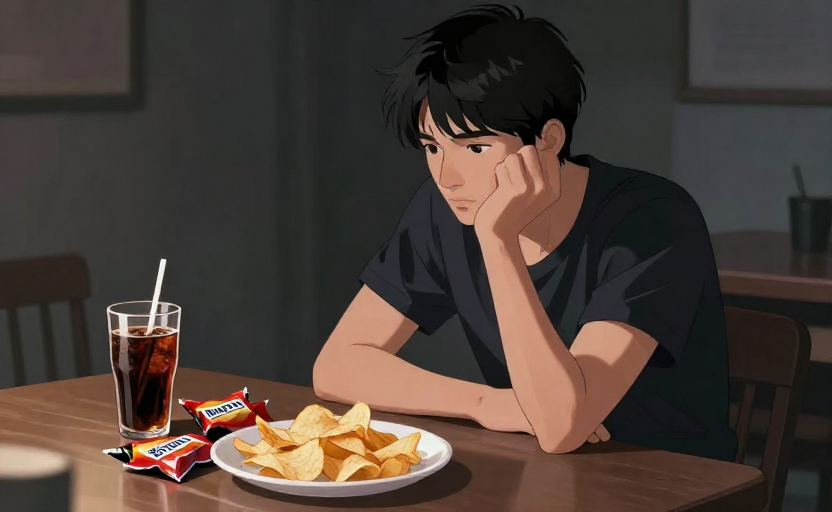
Think packaged chips, sugary pastries, and instant noodles. These foods are designed to be convenient and palatable, but they're also low in the nutrients your brain needs to regulate mood. A 2020 study in Public Health Nutrition found that young adults who ate more ultra-processed foods reported higher levels of psychological distress, including feelings of loneliness. The mechanism may involve inflammation: these foods trigger a low-grade inflammatory response that can dull motivation, energy, and the desire to socialize.
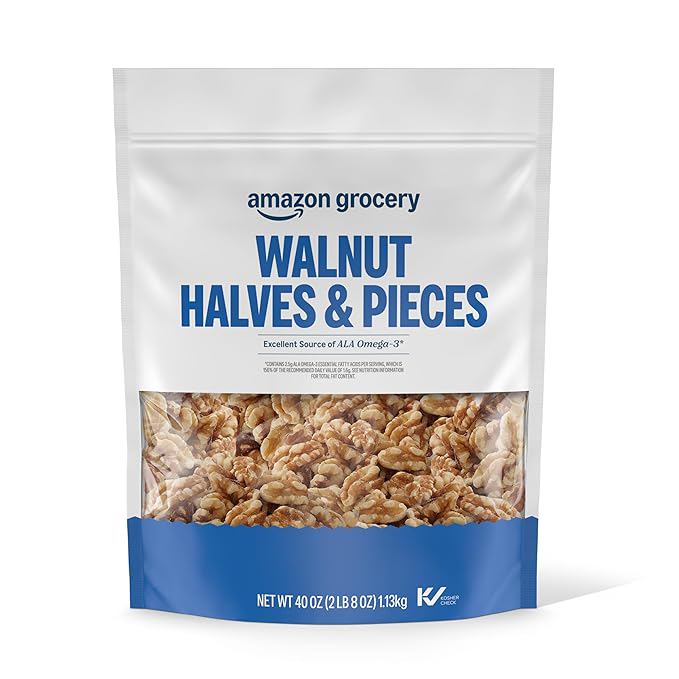
A better choice: Swap one packaged snack a day for a handful of walnuts or a piece of fruit. The fiber and healthy fats help stabilize blood sugar, which in turn supports a more even mood.
2. Sugary drinks
Soda, energy drinks, and sweetened coffees deliver a rapid spike in blood sugar followed by a crash. That crash isn't just physical—it can bring on irritability, fatigue, and a sense of mental fog. Young adults who consume high amounts of added sugar are more likely to report symptoms of depression and social withdrawal, according to a 2019 meta-analysis in Scientific Reports. When you're feeling drained, you're far less likely to reach out to friends or participate in social activities, which reinforces isolation.
Try this instead: Sparkling water with a splash of citrus or a few crushed berries offers the same fizzy satisfaction without the sugar rollercoaster.
3. High-sodium fast food and frozen meals
Convenience often comes at a cost. Meals loaded with sodium—think fast-food burgers, frozen pizza, and deli sandwiches—can disrupt the gut microbiome, which plays a direct role in mood regulation through the gut-brain axis. A 2022 review in Frontiers in Psychiatry noted that high-sodium diets are associated with increased stress reactivity and a higher risk of mood disorders. When young adults feel chronically stressed, they tend to withdraw socially, which can deepen loneliness.
Consider this: A simple home-cooked meal—even a 20-minute stir-fry—gives you control over sodium and supports a healthier gut-brain connection.
4. Alcohol
Alcohol is often used as a social lubricant, but its long-term effects can pull you away from relationships. Initially, a drink may lower inhibitions and make socializing feel easier. Over time, however, alcohol disrupts sleep, depletes B vitamins, and alters neurotransmitter activity—all of which can contribute to depression and emotional numbness. Young adults who drink heavily are more likely to report feeling disconnected from peers, even when they're physically around others.
Smart swap: Alternate alcoholic drinks with sparkling water or a non-alcoholic mocktail. You'll stay hydrated and remain more emotionally present.
5. Refined grain-based desserts and snacks
White flour cookies, cakes, and crackers share a similar problem with sugary drinks: they cause rapid blood sugar spikes and crashes. They also lack the fiber needed to feed beneficial gut bacteria, which produce compounds that influence mood. A 2021 study in Nutritional Neuroscience linked diets high in refined carbohydrates to higher rates of loneliness and depressive symptoms among college students. When your gut is out of balance, your brain may follow suit, making it harder to feel motivated to connect.
Swap idea: A small square of dark chocolate (70% cacao or higher) satisfies a sweet craving while delivering antioxidants and a modest amount of fiber.
How small changes can help
You don't need to overhaul your diet overnight to see a difference. The goal is not to fear food but to notice patterns. Do you reach for processed snacks when you're feeling down? Does a soda leave you more irritable an hour later? Paying attention to these links can help you make choices that support your emotional health.
Young adults who shift toward whole, minimally processed foods—rich in fiber, healthy fats, and lean protein—often report feeling more energetic, more clearheaded, and more inclined to seek out social connection. And those small moments of connection, over time, can gently ease feelings of loneliness.