For many people, the arrival of a period brings more than just inconvenience—it brings pain that can stop the day cold. While severe cramps sometimes signal an underlying condition, research suggests that what you eat can influence the intensity of menstrual discomfort. Certain foods help calm inflammation, relax muscles, and may make that monthly visit a little more manageable.
Here's a look at five foods that show promise for reducing inflammation and easing menstrual cramps.
1. Fatty Fish: A Natural Anti-Inflammatory
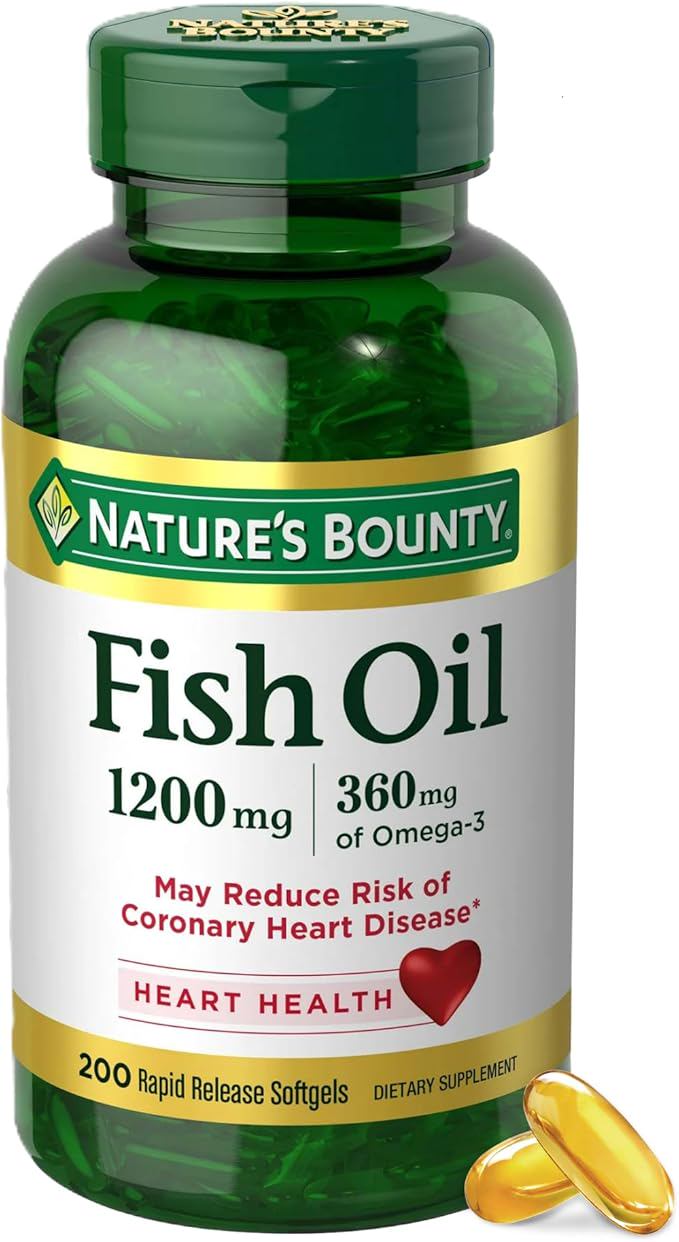
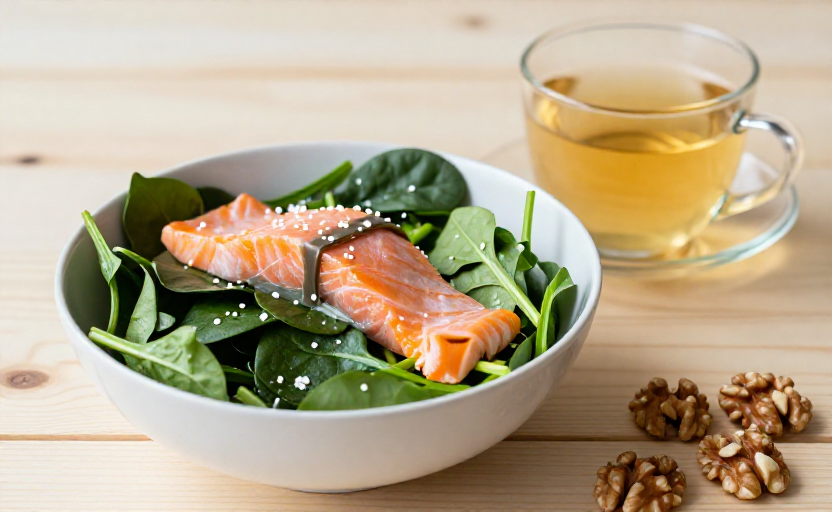
Salmon, mackerel, sardines, and anchovies are rich in omega-3 fatty acids, specifically EPA and DHA. These fats help lower the production of prostaglandins—hormone-like compounds that trigger uterine contractions and inflammation. Studies have found that women who consume more omega-3s tend to report less menstrual pain. Aim for two servings of fatty fish per week, or consider a fish oil supplement if fish isn't your thing (always check with a healthcare provider first).
2. Dark Leafy Greens: Magnesium and Iron Powerhouses
Spinach, kale, Swiss chard, and collard greens are packed with magnesium, a mineral that helps relax muscles and soothe cramping. They also provide iron, which can help counter the fatigue and blood loss that come with heavy periods. Magnesium deficiency has been linked to more severe menstrual pain, so adding a generous handful of greens to your meals may offer real relief.
A quick tip: Pair your greens with a source of vitamin C (like lemon juice or bell peppers) to boost iron absorption.
3. Ginger: A Root That Works Like Ibuprofen?
Ginger has been used for centuries as a natural anti-inflammatory. Modern research backs this up: one study found that taking ginger powder capsules during the first three days of menstruation reduced pain as effectively as ibuprofen. You can steep fresh ginger in hot water for tea, grate it into stir-fries, or add it to smoothies. It's a simple, warming addition to your anti-cramp toolkit.
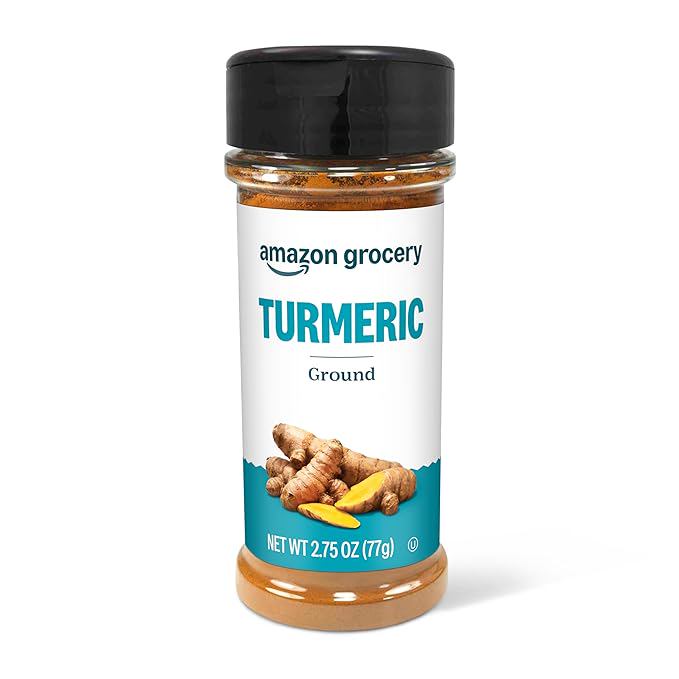
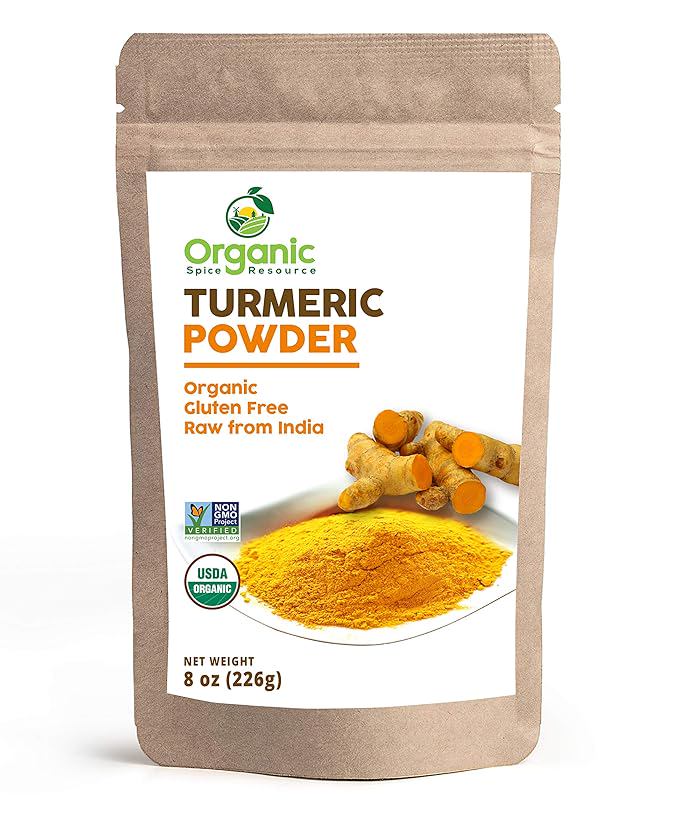
4. Turmeric: The Golden Spice
Turmeric contains curcumin, a compound known for its potent anti-inflammatory and antioxidant properties. Some small studies suggest that curcumin supplements can reduce the severity of menstrual cramps—likely by dampening the inflammatory cascade that leads to pain. While turmeric in food is safe and delicious (try it in soups, curries, or golden milk), the amount of curcumin in the spice is relatively low. A turmeric supplement standardized to curcumin content may be more effective, but always discuss this with a doctor.
5. Walnuts and Almonds: A Handful of Relief
Nuts like walnuts and almonds are rich in omega-3s (especially ALA in walnuts) and magnesium. They also provide vitamin E, an antioxidant that may help reduce the production of prostaglandins. A 2021 study found that women who ate almonds daily for two cycles experienced less menstrual pain than those who didn't. A small handful makes for an easy, portable snack that supports your body during that time of the month.
Remember: While food can support your body, severe or worsening menstrual pain should never be ignored. Conditions like endometriosis, fibroids, or pelvic inflammatory disease can cause intense cramps and require medical evaluation. Use these foods as part of a balanced approach, and always consult a healthcare provider for persistent or debilitating pain.