
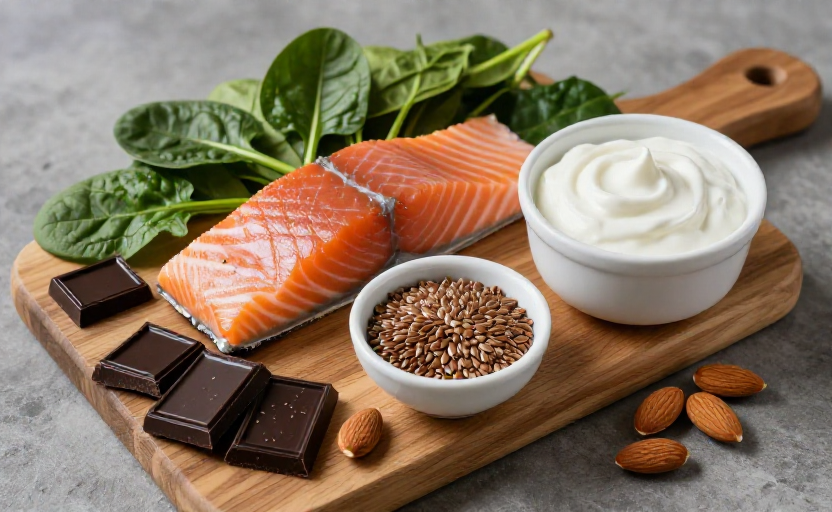
Living with diabetic neuropathy often means dealing with persistent tingling, numbness, or a burning sensation in the hands and feet. While medication and blood sugar control form the foundation of treatment, emerging research suggests that certain foods might offer additional support for nerve health. The idea isn't about finding a quick fix in a single ingredient, but rather about consistently choosing nutrients that can calm inflammation, improve circulation, and protect nerve fibers from further damage.
These five foods stand out for their specific mechanisms—each targets a different pathway involved in neuropathy. Incorporating them into your regular meals won't reverse nerve damage overnight, but over weeks and months, they may help quiet the symptoms and slow progression.
How does salmon help with nerve pain?
Fatty fish like salmon are rich in omega-3 fatty acids, particularly EPA and DHA. These fats are powerful anti-inflammatory compounds. In diabetic neuropathy, chronic inflammation contributes to the breakdown of the myelin sheath—the protective coating around your nerves. Omega-3s help reduce this inflammatory response, potentially easing pain and preserving nerve function.
Salmon also provides vitamin D, which is often low in people with diabetes. Some studies link vitamin D deficiency to higher rates of neuropathic pain. Two servings of wild-caught salmon per week can be a solid step toward addressing both inflammation and deficiency.
Tip: If fresh salmon isn't an option, canned wild salmon (with bones for calcium) or sardines offer similar nerve-protective fats at a lower price point.
Why might leafy greens protect nerves?
Spinach, kale, Swiss chard, and collard greens are packed with B vitamins—particularly folate (B9) and B6. These vitamins are essential for maintaining the myelin sheath and supporting nerve signal transmission. People with type 2 diabetes often have lower folate levels, which may worsen neuropathy symptoms.
Leafy greens also deliver magnesium, a mineral that plays a role in calming overactive nerves. Magnesium deficiency can increase pain sensitivity. Aim for at least one large serving of cooked greens most days. A simple sauté with garlic and olive oil preserves nutrients while making the greens easier to digest.
Pair greens with healthy fat for better absorption
The fat-soluble vitamins in greens (A, K, and some B precursors) absorb best when eaten with a source of fat. Drizzle avocado oil, toss in nuts, or serve alongside the salmon mentioned above. This small adjustment maximizes the nerve-friendly benefits.
Can dark chocolate really ease neuropathy?
Yes, but only if you choose the right kind. Dark chocolate with at least 70% cocoa content contains high levels of flavonols—antioxidants that improve blood flow and reduce oxidative stress. Poor circulation is a major contributor to diabetic neuropathy; better blood flow means more oxygen and nutrients reach damaged nerves.
Flavonols also stimulate the production of nitric oxide, which relaxes blood vessels and lowers blood pressure. One or two small squares of dark chocolate (about 15 grams) can be part of a nerve-healthy diet, as long as you account for the sugar and calories. Skip milk chocolate and white chocolate entirely—they lack significant flavonols.
Caution: Always check labels. Some dark chocolate bars add significant sugar. Look for options with under 5 grams of sugar per serving.
What role do nuts and seeds play in blood sugar control?
Almonds, walnuts, flaxseeds, and chia seeds are particularly helpful for diabetic neuropathy. Their primary benefit comes from stabilizing post-meal blood sugar spikes. High blood sugar directly damages nerve endings over time, so keeping glucose curves flatter is a core strategy for symptom management.
Walnuts offer alpha-lipoic acid, a natural antioxidant that some research suggests may reduce pain and improve sensation in people with neuropathy. Flaxseeds provide lignans, which help lower inflammation markers. A small handful of nuts (about 1/4 cup) can be an afternoon snack, or you can sprinkle ground flaxseed over oatmeal or yogurt. Because they contain fiber and protein, nuts slow glucose absorption from other foods when eaten together.
Watch the portion size
Nuts and seeds are calorie-dense. Stick to a single serving per day. Overeating them can lead to weight gain, which independently worsens insulin resistance and neuropathy.
Does yogurt affect nerve health directly?
Probiotic-rich foods like plain Greek yogurt (and other fermented foods such as kefir, sauerkraut, and kimchi) influence your gut microbiome in ways that may modulate nerve inflammation. The gut-brain-nerve axis is a well-documented pathway: an unhealthy gut lining allows inflammatory particles to enter the bloodstream, contributing to systemic inflammation that reaches peripheral nerves.
Yogurt also provides B12, which is critical for nerve health. Metformin—a common diabetes medication—can deplete B12 over time, making dietary sources especially important. Choose unsweetened, plain yogurt to avoid added sugars, which work against everything you're trying to achieve. If you eat dairy, a 6-ounce serving daily can support gut health without spiking blood sugar.
One caveat: Yogurt alone won't treat a severe B12 deficiency. If you take metformin and have neuropathy, ask your doctor to check your B12 levels during your next lab visit.
Managing diabetic neuropathy requires a multi-pronged approach—medication, glucose monitoring, activity, and stress reduction all matter. Food is not a replacement for medical care. But by consistently including salmon, leafy greens, dark chocolate, nuts/seeds, and probiotic yogurt, you are providing your nerves with the specific nutrients they need to function better under the stress of diabetes. Small, daily choices add up to real changes in how you feel.