When it comes to supporting your body’s natural systems, what you put on your plate matters just as much as what you put on your skin. Vaginal health and natural lubrication are influenced by a complex interplay of hormones, hydration, and circulation—all of which can be gently nurtured through thoughtful nutrition. While no single food is a magic cure, a consistent pattern of eating certain nutrient-rich foods can help create the internal environment your body needs to thrive.
Think of it as foundational care. Just as you might drink water to support your skin, the foods discussed here contribute to the overall wellness that allows your body to function at its best. This approach is about nourishment, not prescription, offering a way to care for yourself from the inside out.
How Does Diet Influence Vaginal Health?
Your vaginal tissue is a dynamic ecosystem, sensitive to your body’s hormonal balance and hydration status. Estrogen helps maintain tissue thickness, elasticity, and natural moisture production. As hormone levels naturally fluctuate, or as the body deals with stress and dehydration, you might notice changes in lubrication and comfort.
Certain foods provide the building blocks—like fatty acids, phytoestrogens, and antioxidants—that support these underlying processes. They don’t contain hormones, but they can supply nutrients that help your body manage its own hormonal environment and maintain healthy, resilient tissues.
Nutrition for vaginal wellness is about consistent, gentle support, not overnight transformation.
Foods to Include for Foundational Support
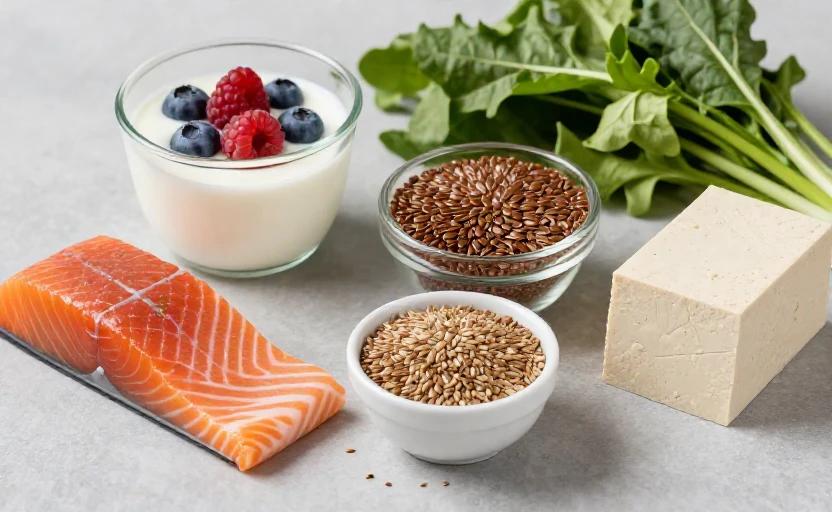
Focusing on whole, nutrient-dense foods is the most effective strategy. Here are five key categories that can play a supportive role.
1. Omega-3 Rich Foods
Fatty acids like omega-3s are crucial for reducing inflammation throughout the body, which can create a healthier environment for all your tissues, including vaginal ones. They also support circulation and may help with cellular health.
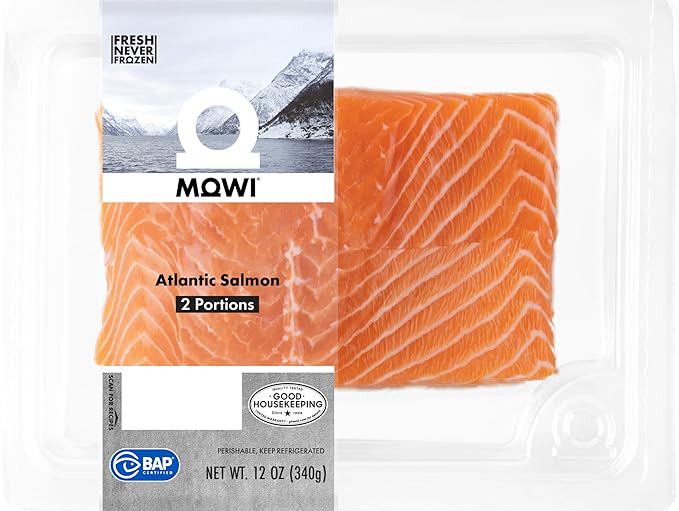
- Fatty fish: Salmon, mackerel, and sardines are excellent sources.
- Plant sources: Flaxseeds, chia seeds, and walnuts offer a plant-based option. Try grinding flaxseeds to better absorb their nutrients.
2. Probiotic and Fermented Foods
A healthy vaginal microbiome is predominantly populated by beneficial bacteria, primarily Lactobacilli. Supporting your gut microbiome with probiotics can contribute to a balanced environment overall, as the systems are interconnected.
- Yogurt and kefir: Look for labels that mention “live and active cultures.”
- Fermented vegetables: Unpasteurized sauerkraut, kimchi, and pickles (fermented in brine, not vinegar) are great options.
- Kombucha: A fermented tea beverage that provides probiotics.
3. Phytoestrogen-Containing Foods
Phytoestrogens are plant compounds with a mild, estrogen-like effect in the body. They can bind to estrogen receptors and provide a gentle, supportive influence, which may be particularly helpful during times of natural hormonal shifts.
Key sources include:
- Soy products: Tofu, tempeh, edamame, and unsweetened soy milk.
- Flaxseeds: A double-duty food, also rich in lignans, a type of phytoestrogen.
- Legumes: Lentils, chickpeas, and other beans contain smaller amounts.
4. Foods Rich in Vitamin E and Antioxidants
Vitamin E is a fat-soluble antioxidant known for supporting skin and mucous membrane health. It helps protect cells from oxidative stress and may support tissue integrity. Other antioxidants combat free radicals that can contribute to inflammation and cellular aging.
Include these in your diet:
- Nuts and seeds: Almonds, sunflower seeds, and hazelnuts.
- Leafy greens: Spinach and Swiss chard.
- Colorful vegetables: Red bell peppers and avocados.
5. Hydration Heroes
This one is simple but non-negotiable. Natural lubrication is fundamentally dependent on your body’s overall hydration status. If you’re dehydrated, every system—including mucous membrane function—can be affected.
While water is the gold standard, you can also increase your intake through:
- Water-rich fruits and vegetables: Cucumber, celery, watermelon, strawberries, and citrus fruits.
- Herbal teas: Non-caffeinated options like chamomile or mint contribute to fluid intake.
- Broths and soups: A nourishing way to get both fluids and minerals.
Building a Supportive Eating Pattern
Instead of fixating on individual “superfoods,” consider how to weave these categories into your regular meals. A breakfast of soy yogurt with flaxseeds and berries covers three bases. A lunch of salmon over a spinach salad with avocado touches on others. Snack on a handful of almonds and an orange.
The cumulative effect of a varied, whole-foods diet is far more powerful than any single ingredient. It’s this consistent pattern of nourishment that provides the most reliable support for your body’s innate capacity for health.
A Note on What to Limit
Just as some foods support wellness, others might detract from it when consumed in excess. Highly processed sugars can disrupt microbial balance. Excessive alcohol and caffeine can have a dehydrating effect. This isn’t about strict elimination, but about awareness. Noticing how your body feels when you prioritize nourishing foods and adequate water can be its own guide.
If you experience persistent dryness, discomfort, or changes that concern you, it’s important to consult a healthcare provider. These can be signs of hormonal changes, medication side effects, or other conditions that require professional guidance. Food is a wonderful partner in wellness, but it works alongside, not as a replacement for, medical care.
Ultimately, eating for vaginal health is an act of holistic self-care. It’s a quiet, consistent practice of choosing foods that nourish your entire body, trusting that this foundational support helps every part of you—including those you don’t always see—feel its best.