Managing diabetes often comes down to a careful balance of medication, activity, and food choices. But here’s the part that doesn’t always make it into the brochures: some of the healthiest-looking foods can quietly change how your diabetes medications work.
Whether you take metformin, sulfonylureas, or insulin, what’s on your plate can affect how well your medicine does its job. Certain ingredients can speed up or slow down drug absorption, interfere with how the pancreas responds, or even increase the risk of side effects like hypoglycemia or stomach upset. Here are five common foods that have real, documented interactions with diabetes medications — and how to approach them.
Grapefruit and Other Citrus Fruits
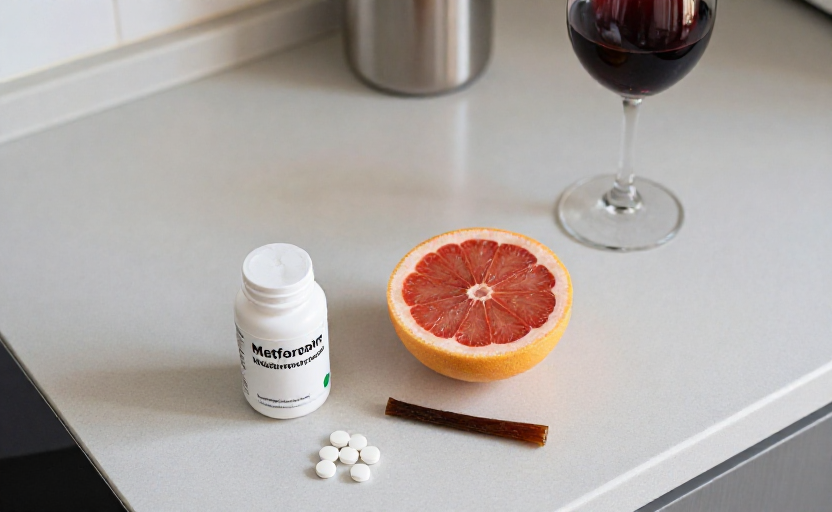
Grapefruit is famous for its ability to change how the liver processes certain drugs. For diabetes medications, the concern focuses on sulfonylureas (like glipizide and glyburide) and some newer agents. Grapefruit and related fruits — including Seville oranges, pomelos, and tangelos — can inhibit enzymes in the small intestine and liver that break down these drugs. When those enzymes are blocked, medication levels rise in the bloodstream, raising the risk of dangerously low blood sugar (hypoglycemia).
This effect doesn't mean you can never have citrus. But the National Institutes of Health notes that grapefruit interactions vary widely between individuals. The safest approach is to avoid regular or large amounts of these fruits if you take a sulfonylurea. A small glass of orange juice now and then isn't the same as daily grapefruit, but it's worth asking your pharmacist whether your specific medication falls into the affected category.
Licorice — The Real Kind, Not Candy
Real licorice root (from the Glycyrrhiza glabra plant, not the artificial flavoring in grocery store candy) contains glycyrrhizin, a compound that can lower potassium levels and increase blood pressure. For people with diabetes taking certain medications, particularly those that affect potassium balance or interact with ACE inhibitors and diuretics often prescribed for diabetic complications, licorice can amplify potassium loss. This can lead to a higher risk of heart rhythm problems and interfere with blood sugar regulation.
Most licorice candy sold in the U.S. doesn't contain real glycyrrhizin, but herbal teas, supplements, and imported black licorice often do. Always check the label.
For anyone on diabetes medications, eating more than about 2 ounces of real black licorice daily for two weeks or longer has been linked to hospitalization in case reports. A better choice is licorice tea made from European labeling that confirms deglycyrrhizinated (DGL) extract, which removes the concerning compound while preserving flavor.
High-Fiber Foods Around Medication Timing
Soluble fiber is famously good for blood sugar control — it slows carbohydrate absorption and improves cholesterol. But taken too close to oral diabetes medications like metformin and sulfonylureas, fiber can bind to the drug in the stomach and reduce how much reaches the bloodstream. Studies in the Journal of Clinical Pharmacy and Therapeutics show that high-fiber meals can reduce the peak concentration of metformin by as much as 43 percent.
This doesn't mean skipping oatmeal, beans, or psyllium husk. The fix is timing: take metformin at least one hour before or two hours after a high-fiber meal. If you take extended-release formulations or medication with meals as instructed on the label, check with your doctor about the best schedule. The goal isn't to eliminate fiber but to let the medicine absorb before fiber gets to work.
Alcohol — Especially on an Empty Stomach
Alcohol interacts with diabetes medications in two opposite ways. For metformin, alcohol increases the risk of lactic acidosis, a rare but serious condition where lactic acid builds up in the blood, particularly in people with kidney issues. For sulfonylureas and insulin, alcohol can cause a delayed drop in blood sugar that occurs hours after drinking, often during sleep.
Moderate drinking — defined as one drink per day for women and two for men — is generally safe for most people with well-controlled diabetes, but only if you eat food with the alcohol. Drinking on an empty stomach bypasses the liver's normal glucose production, and the resulting hypoglycemia can mimic intoxication, meaning a dangerous low can go unnoticed. To be safe, never skip a meal to save calories for wine or beer. If you're taking metformin, talk to your doctor about any alcohol use, as the FDA black-box warning for the drug specifically notes lactic acidosis risk with heavy drinking.
Simple Sugars and Refined Carbohydrates in Combination with Sulfonylureas
This one sounds obvious, but it's more subtle than it seems. Sulfonylureas work by stimulating the pancreas to release more insulin. If you eat a high-sugar meal (think soda, white rice, or pastries), the drug forces the pancreas to push out insulin that matches the carbohydrate load. The problem is that your blood sugar can spike, the drug then drives insulin production, and you can crash to hypoglycemic levels within a few hours — especially with older drugs like glyburide.
This interaction doesn't require fancy medical terminology: it's a blood sugar roller coaster. The effect is magnified when you skip a meal but still take your medication, then eat something sugary later. The fix is pairing carbohydrates with protein, fat, and fiber so digestion slows down. If you find your sugar dropping after meals, talk to your healthcare team about adjusting the medication timing or dose rather than relying on your willpower to avoid sugar entirely.
Medication interactions are not a reason to fear food — they're a reason to get curious about timing, portion size, and specific ingredients. Keep a food-and-symptom diary for a week if you suspect any of these foods are causing problems. Small adjustments, like moving your morning grapefruit to an afternoon snack or shifting your oatmeal to an hour after your metformin, can make a real difference in both glucose readings and how you feel.