First trimester cravings are a common, and often surprising, part of early pregnancy. One moment you’re fine, the next you have an intense, specific desire for a food you haven’t thought about in years. While it’s tempting to view these cravings as a simple test of willpower, they’re more complex—often tied to hormonal shifts, nutritional needs, and sensory changes. The challenge isn’t about denying every impulse, but about navigating them in a way that supports both you and your growing baby. It’s possible to honor those signals while making choices that are genuinely nourishing.
Instead of fighting the craving, consider its underlying message. A sudden want for something salty might point to a need for electrolytes, while a sweet tooth could signal a dip in energy. The goal is to find safer, nutrient-dense alternatives that satisfy the craving’s core desire—be it texture, temperature, or flavor—without relying solely on processed options. Let’s explore five whole-food categories that can help you manage common first trimester cravings safely and nutritiously.
What’s Behind Those Early Pregnancy Cravings?
Before we get to the foods, it helps to understand why cravings happen. The surge in hormones like progesterone and human chorionic gonadotropin (hCG) can dramatically alter your sense of taste and smell. Foods you once loved may suddenly seem unappealing, while others become irresistibly compelling. This isn’t just whimsy; it’s your body’s sensory system operating in overdrive.
Some researchers suggest cravings may also be the body’s indirect way of signaling a nutritional gap, though the link isn’t always direct. For instance, a craving for ice cream might reflect a need for more calories or calcium, not necessarily dairy fat and sugar specifically. The key is to listen to the type of craving—sweet, salty, creamy, crunchy—and find a healthier vehicle to deliver similar satisfaction and actual nutrients.
Think of a craving as a clue, not a command. Your job is to decode it.
1. For Sweet Cravings: Frozen Fruit and Greek Yogurt
When a powerful sugar craving hits, reaching for candy or pastries can lead to a rapid spike and crash in blood sugar, which often leaves you feeling more fatigued and nauseous—a common first trimester combo. A smarter, safer alternative leverages natural sweetness and protein.
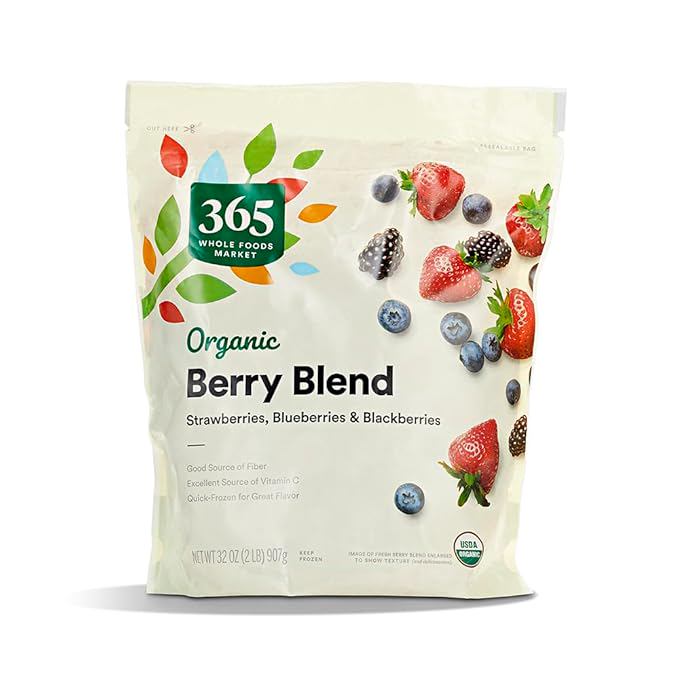
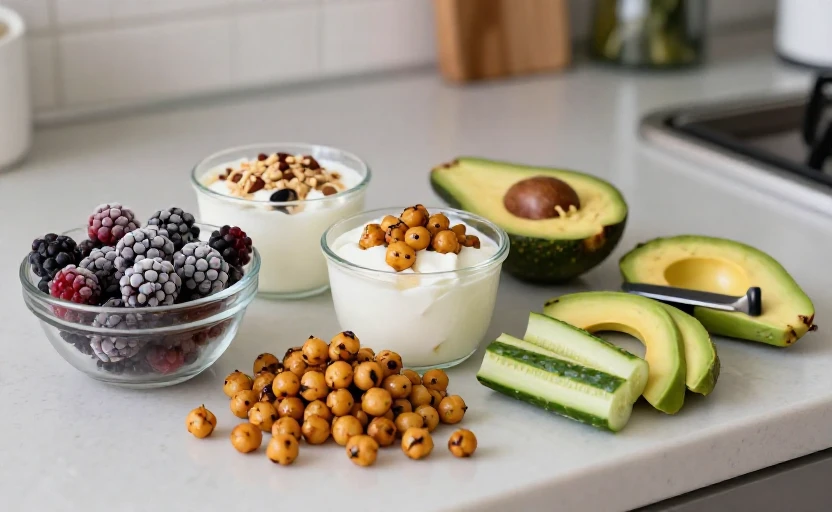
Try keeping frozen mango chunks, grapes, or berries on hand. The freezing process intensifies their sweetness, and the cold, chewy texture can be incredibly satisfying, especially if you’re dealing with mild nausea. Pairing them with a scoop of plain, full-fat Greek yogurt adds creaminess and a substantial protein punch. Protein helps slow the absorption of natural sugars, providing steadier energy and keeping you full longer.
- Why it works: Satisfies the sweet tooth with fiber and vitamins, not just empty calories. The cold can soothe the stomach, and the protein supports stable energy.
- Try: Blending frozen bananas into a one-ingredient “nice cream,” or dipping frozen pineapple chunks in a light drizzle of honey.
2. For Salty or Savory Cravings: Roasted Chickpeas and Nuts
Potato chips and salty pretzels are classic craving targets. They offer a quick hit of salt and a satisfying crunch. You can replicate that experience with options that also deliver fiber, protein, and healthy fats.
Roasted chickpeas are a stellar choice. Toss canned, rinsed, and dried chickpeas with a little olive oil and your preferred seasoning (think smoked paprika, garlic powder, or a simple sea salt). Roast until crispy. They provide a salty, crunchy bite packed with plant-based protein and iron, a crucial nutrient in early pregnancy.
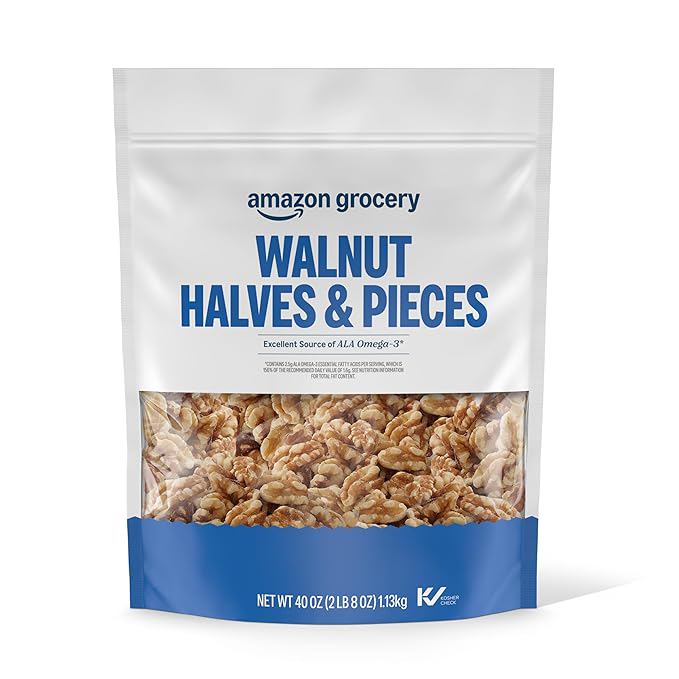
A small handful of salted almonds or walnuts can also do the trick. The combination of salt, fat, and crunch addresses the craving, while the nutrients support your baby’s development and help manage your own hunger cues.
3. For Creamy or Rich Cravings: Avocado and Nut Butters
Cravings for ice cream, creamy pasta sauces, or rich desserts often point to a desire for fat and a smooth, luxurious texture. Your body may be seeking concentrated energy and fat-soluble vitamins. Healthy fats are essential for fetal brain development and help you absorb key vitamins.
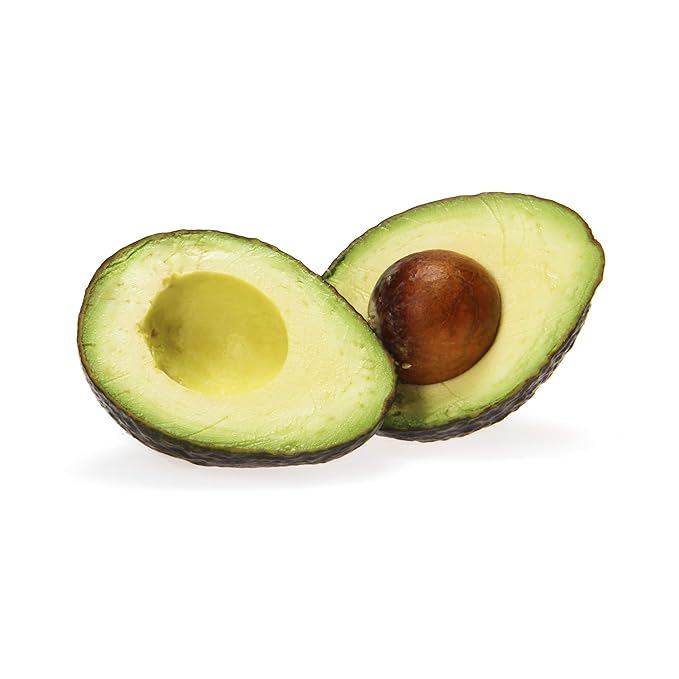
Avocado is a perfect, versatile answer. Its creamy texture can be blended into a smoothie for richness, mashed on whole-grain toast, or simply eaten with a spoon and a pinch of salt. It’s loaded with folate, potassium, and monounsaturated fats.
Similarly, a tablespoon of natural almond or peanut butter (without added sugars or hydrogenated oils) can satisfy a rich craving. Spread it on apple slices or celery sticks for added crunch and fiber. The healthy fats and protein make it a sustaining choice that goes beyond momentary taste satisfaction.
When Cravings Cross into Non-Food Items
If you find yourself craving non-food substances like clay, laundry starch, or ice (a condition known as pica), it’s important to speak with your healthcare provider immediately. This can sometimes signal a significant nutritional deficiency, such as iron-deficiency anemia, that requires professional assessment and guidance.
4. For Carb-Heavy Cravings: Whole-Grain Toast and Sweet Potato
Intense cravings for bread, pasta, or crackers are extremely common, often coinciding with fatigue and nausea. Refined carbs offer quick energy, but again, the crash can be harsh. Opting for complex carbohydrates provides longer-lasting fuel and more nutrients.
Whole-grain toast (sourdough can be easier to digest for some) topped with mashed avocado or a thin layer of nut butter offers a comforting, carby base with added nutrients. A baked sweet potato, with its natural sweetness and soft texture, is another excellent choice. It’s rich in beta-carotene (which converts to vitamin A), fiber, and vitamin C.
Complex carbs digest slowly, helping to stabilize mood and energy—a welcome relief in the rollercoaster first trimester.
5. For Cold/Crunchy Cravings: Cucumber, Bell Peppers, and Hydration
Sometimes the craving is less about a specific flavor and more about a sensation—specifically, something cold and crunchy. This can be particularly appealing if you’re feeling warm or experiencing nausea.
Keep pre-cut vegetables like cucumber spears, bell pepper strips, and jicama sticks in the fridge. Their high water content helps with hydration (crucial for supporting increased blood volume), and the crisp, cold crunch is deeply refreshing. A sprinkle of salt or a squeeze of lime can enhance the flavor without adding processed ingredients.
This craving can also be a sign of mild dehydration. Before you reach for food, try drinking a full glass of cool water and wait a few minutes. You might find the craving subsides.
Building a Craving-Friendly Kitchen
The single best strategy for managing cravings safely is preparation. When fatigue and nausea are high, willpower is often low. Make the healthier choice the easy choice.
- Wash and prep produce as soon as you buy it. Store ready-to-eat fruits and veggies at eye level in the fridge.
- Portion out snacks like nuts and roasted chickpeas into small containers to avoid mindless eating.
- Keep “craving alternatives” stocked. If you know you often want something sweet after dinner, have your frozen fruit and yogurt ready to go.
Remember, it’s perfectly okay to occasionally enjoy the exact food you’re craving. The aim isn’t perfection, but balance. By having these safer, nutrient-dense options available most of the time, you create a foundation of nourishment that leaves room for the occasional treat without guilt. Always discuss significant dietary changes or concerns with your prenatal care provider, as they can offer guidance tailored to your individual health needs.