
When life feels noisy and your to-do list never ends, finding moments of calm can seem impossible. But small, intentional choices—especially at mealtime—can gently guide your nervous system toward a more relaxed state. Dietitians increasingly point to certain foods that support the brain's ability to focus, regulate mood, and lower the physiological markers of stress. These aren't exotic superfoods; they are everyday ingredients that work with your body's natural rhythms. Below are five science-backed foods that can help you build a more mindful, lower-stress day.
Dark Chocolate
Dark chocolate is more than a guilty pleasure. Research suggests that flavonoid-rich cocoa can reduce cortisol, the body's primary stress hormone, while improving blood flow to the brain. This improved circulation supports cognitive function and can help you feel more centered. Choose varieties with at least 70% cacao for the highest concentration of these beneficial compounds. A small square during an afternoon slump can be a mindful ritual in itself—pause, let it melt slowly, and notice the flavor.
Fatty Fish
Salmon, sardines, mackerel, and other cold-water fish are packed with omega-3 fatty acids, specifically EPA and DHA. These fats are critical for brain health and have been shown to reduce inflammation and ease symptoms of anxiety. A study published in JAMA Network Open found that regular consumption of omega-3s helped lower anxiety levels in young adults. Dietitians recommend two servings per week. Try a simple grilled salmon over a bed of greens for a lunch that fuels both body and mind.
Leafy Greens
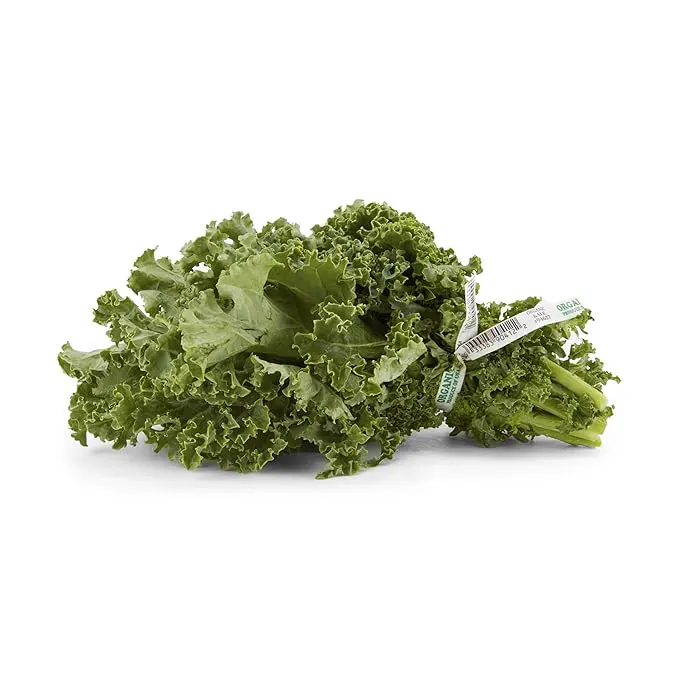
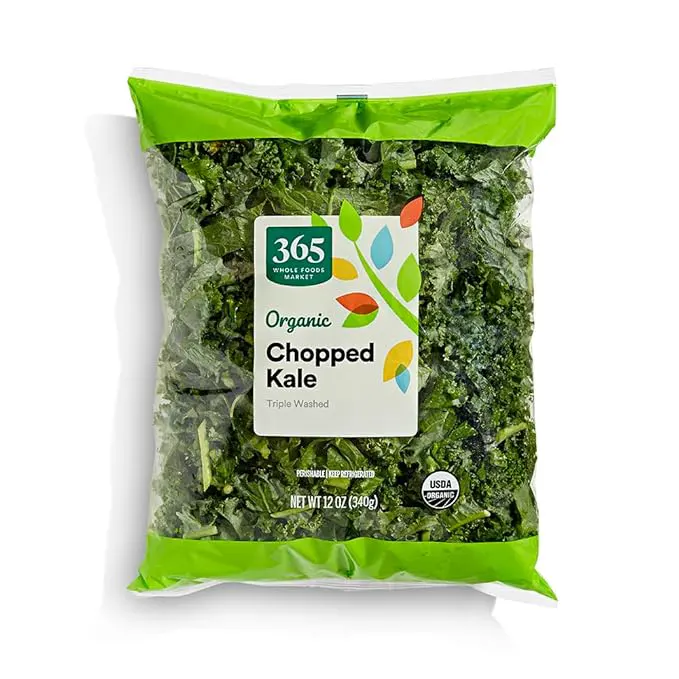
Spinach, kale, Swiss chard, and other dark leafy greens are rich in magnesium—a mineral that helps regulate the nervous system and promote relaxation. Magnesium deficiency has been linked to higher stress levels and poorer sleep quality. Adding a handful of greens to a smoothie, omelet, or grain bowl is an easy way to boost your intake without overhauling your diet. The folate in these greens also supports the production of dopamine and serotonin, the brain's feel-good neurotransmitters.
Fermented Foods
The gut-brain connection is real, and fermented foods like yogurt, kimchi, sauerkraut, and kefir are direct routes to supporting it. These foods contain probiotics that help maintain a healthy gut microbiome, which in turn influences mood and stress resilience. A 2023 review in Nutrients concluded that probiotic-rich foods may reduce psychological distress and improve overall emotional well-being. A serving of plain Greek yogurt with a drizzle of honey and a few berries makes for a grounding breakfast or snack.
Berries
Blueberries, strawberries, and blackberries are loaded with antioxidants—particularly vitamin C and flavonoids—that protect brain cells from oxidative stress. When the body is under chronic stress, oxidative damage can accumulate, making it harder to think clearly and stay calm. A 2022 study found that flavonoid-rich berry consumption was associated with better mood and lower inflammation markers. Keep a bag of frozen berries on hand to add to oatmeal, yogurt, or a simple bowl with a splash of milk.
Mindfulness tip: Before you eat any of these foods, take three slow breaths. Notice the color, aroma, and texture. Eating with attention can amplify the stress-lowering benefits.
Incorporating these foods doesn't require a kitchen overhaul or a complicated meal plan. Start by adding one to a meal you already eat. Over time, these small shifts can build a foundation of calm that helps you respond to stress with more ease.