When it comes to erectile function, we often focus on the big-ticket health items like blood pressure, cholesterol, and stress. But the path to healthy circulation, which is fundamental to sexual health, is paved with daily choices—especially what we eat and drink. Certain foods and beverages, when consumed regularly, can quietly contribute to the conditions that make erectile dysfunction (ED) more likely.
It’s not about a single meal causing an immediate problem. Instead, it’s the cumulative effect of dietary patterns that can impair blood vessel function, promote inflammation, and disrupt hormone balance. Understanding these connections empowers you to make informed choices that support your overall vascular health, which in turn supports sexual function.
How does diet affect erectile function?
Erectile function relies on a precise sequence of events: nerve signals, hormone balance, and, most critically, healthy blood flow. To achieve and maintain an erection, the arteries in the penis must dilate widely to allow a significant surge of blood. This process is heavily dependent on the endothelium—the thin lining of your blood vessels.
A diet high in inflammatory foods, added sugars, and unhealthy fats can damage this delicate endothelial lining. This damage makes arteries less flexible and more prone to constriction, a condition known as endothelial dysfunction. Since the penile arteries are among the smallest in the body, they are often the first place this vascular damage becomes noticeable. In many ways, erectile dysfunction can be an early warning sign of broader circulatory issues.
5 foods and drinks linked to increased ED risk
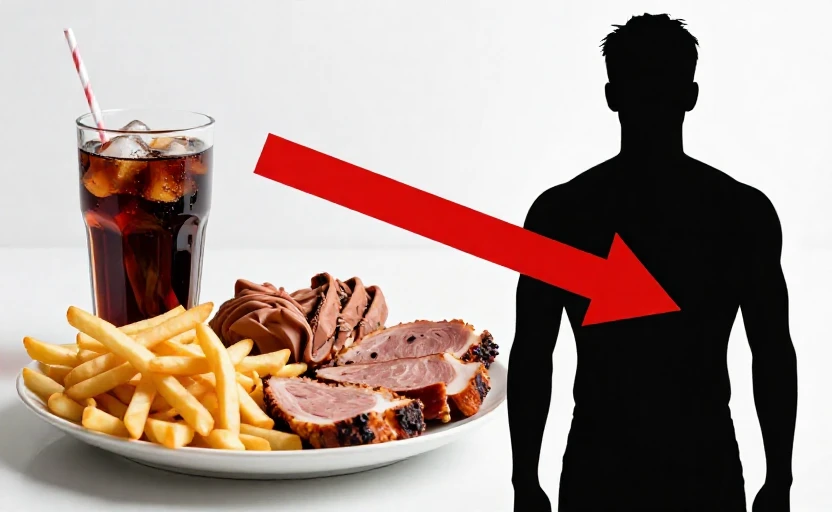
Let’s look at the specific dietary culprits that research has connected to a higher risk of erectile dysfunction. The common thread is their negative impact on vascular health.
1. Sugar-sweetened beverages
Soda, sweetened teas, energy drinks, and even many fruit juices are loaded with rapidly absorbed sugars like high-fructose corn syrup or sucrose. A steady intake of these drinks is strongly linked to weight gain, insulin resistance, and type 2 diabetes—all major risk factors for ED.
These beverages cause sharp spikes in blood sugar and insulin, which over time can lead to chronic inflammation and oxidative stress, damaging the blood vessels. One study found that men with the highest intake of sugar-sweetened beverages had a significantly higher prevalence of ED compared to those who rarely drank them.
Swap out sweetened drinks for water, sparkling water, or unsweetened tea. Your vascular system will thank you.
2. Processed and red meats
Regularly consuming processed meats like sausages, bacon, and deli meats, as well as large amounts of red meat, is associated with poorer heart health. These meats are often high in saturated fats, sodium, and preservatives like nitrates.
A diet pattern heavy in these foods can contribute to atherosclerosis—the buildup of plaque in arteries—which physically restricts blood flow. It also promotes systemic inflammation. Research, including findings from the Health Professionals Follow-up Study, suggests that men whose diets are richest in these foods have a modestly higher risk of developing ED.
3. Deep-fried foods and trans fats
While the explicit use of artificial trans fats has declined due to regulations, they can still be found in some fried foods, shortenings, and certain packaged snacks (listed as “partially hydrogenated oils”). Trans fats are uniquely harmful because they not only raise “bad” LDL cholesterol but also lower “good” HDL cholesterol and increase inflammation.
Even foods fried in standard oils at high temperatures can create advanced glycation end products (AGEs) and oxidized fats, which contribute to endothelial damage. A diet high in fried foods is consistently linked to obesity and metabolic syndrome, both of which are strong predictors of erectile dysfunction.
4. Highly refined carbohydrates
This category includes white bread, pastries, many breakfast cereals, and other foods made with refined white flour. These carbs are stripped of fiber and cause a rapid rise in blood sugar, similar to sugary drinks.
Frequent consumption can lead to insulin resistance, a state where your body’s cells don’t respond well to insulin. Insulin resistance is a core component of metabolic syndrome and type 2 diabetes, and it directly impairs the nitric oxide pathway—the very chemical signal that tells penile arteries to relax and fill with blood.
5. Excessive alcohol
While a drink or two may lower inhibitions, chronic heavy drinking is a different story. Excessive alcohol consumption is a direct toxin to the nervous system and can interfere with the hormonal signals needed for arousal.
Over time, it can lead to nerve damage (neuropathy), reduce testosterone production, and contribute to liver cirrhosis, which alters hormone metabolism. All these effects can culminate in erectile difficulties. The key distinction is between moderate, occasional consumption and habitual, heavy use.
What to focus on instead
Shifting the focus toward foods that support vascular health can be a powerful strategy. Think of a Mediterranean-style dietary pattern, which is rich in plants and healthy fats.
- Fruits and vegetables: Packed with antioxidants like flavonoids and vitamin C, which combat oxidative stress and support nitric oxide production. Berries, citrus, leafy greens, and beets are particularly beneficial.
- Whole grains: Oats, quinoa, and brown rice provide steady energy and fiber, which helps manage blood sugar and cholesterol levels.
- Healthy fats: Found in olive oil, avocados, nuts, and fatty fish like salmon. These fats reduce inflammation and improve cholesterol profiles.
- Plant-based proteins: Beans, lentils, and tofu are excellent alternatives to red meat, offering fiber and phytonutrients without the saturated fat.
This isn’t about perfection or never enjoying a treat. It’s about patterns. Making these supportive foods the foundation of your diet creates a internal environment where healthy blood flow—including to the penis—is far more likely.
A holistic view is essential
It’s crucial to remember that diet is one piece of a larger puzzle. Erectile dysfunction is often multifactorial. Smoking, sedentary behavior, unmanaged stress, poor sleep, and underlying medical conditions like hypertension or diabetes are all significant contributors.
If you’re experiencing persistent erectile difficulties, it’s important to consult a healthcare provider. They can help identify any underlying causes and develop a comprehensive plan that may include dietary changes, exercise, stress management, and other appropriate treatments. Viewing your diet as a tool to support your overall vascular health is a positive, proactive step for both your sexual and general well-being.