Living with diabetes means balancing medications, meals, and blood sugar levels every single day. One of the most powerful—and most overlooked—strategies is the simple act of timing. Taking your diabetes medication at the right moment relative to food can make a real difference in how well your treatment works, how stable your glucose stays, and how you feel.
But the rule isn't the same for every drug. Some medications must be taken with the first bite of a meal, others on an empty stomach, and still others at a set hour regardless of what's on your plate. Below, we break down five expert-backed tips for coordinating medication timing with meals, based on how common diabetes drugs work in the body. Always follow your own healthcare provider's instructions—these are general guidelines for informed discussion, not a replacement for a personalized plan.
1. Know which drugs work fast—and which work slow
The timing of your medication depends largely on its mechanism of action. Rapid-acting insulin analogs (like lispro or aspart) are designed to mimic the body's natural mealtime insulin spike, which means you typically inject them within 15 minutes of starting a meal. Mealtime insulins and certain sulfonylureas (like glipizide) need to be taken when food is about to enter your system. In contrast, long-acting insulins (such as glargine or degludec) are intended to provide a steady baseline level of insulin throughout the day and should be taken at the same time each day—regardless of when you eat.
Non-insulin medications also vary. Metformin, the most common first-line drug, often comes in an immediate-release version (best taken with meals to reduce stomach upset) and an extended-release version (also taken with the largest meal, typically dinner). Alpha-glucosidase inhibitors like acarbose must be taken with the first bite of each meal because they work by slowing carbohydrate absorption in the gut. If you take them too early, they won't work properly.
2. Match rapid-acting insulin to your carbohydrate count
If you use a rapid-acting insulin at mealtimes, the timing isn't just about windows—it's also about content. An expert tip that diabetes educators often share: take your mealtime insulin 10 to 15 minutes before eating if your blood sugar is in a healthy range and you know your carb count. This pre-bolus gives the insulin a head start, so its peak matches the glucose surge from food. If your blood sugar is already elevated, you might be advised to wait a bit longer. If it's trending low, you might inject right as you start eating or even after the meal, depending on your plan.
Always keep a consistent routine for how you calculate insulin doses (the familiar carb-counting and correction-factor method) so the timing is anchored to what you actually eat.
3. Plan for nausea and GI side effects
Many diabetes medications, metformin especially, can cause digestive upset—nausea, diarrhea, stomach cramping. The simplest fix is often timing: taking metformin with a meal dramatically reduces the likelihood of stomach side effects. If you're on the immediate-release tablet, splitting the dose across two meals (morning and evening) can also help your body adjust. For the extended-release version, taking the entire dose with your biggest meal of the day—usually dinner—works best for tolerability.
Some people find that starting with a low dose and gradually increasing it (called a titration schedule) also eases the transition. If nausea persists despite proper meal timing, talk to your clinician about switching to the extended-release formulation or trying a different class of medication.
A simple rule: If a medication causes stomach issues, taking it with food usually helps. If it's less effective with food (like some sulfonylureas), take it shortly before the meal as directed.
4. Watch out for delayed meals or skipped meals
One of the riskiest situations for people on certain diabetes medications is a delayed or skipped meal. Drugs that stimulate insulin secretion (sulfonylureas and meglitinides) don't stop working just because breakfast is late—they can lower blood sugar even when there's no food to process. The core tip: don't delay or skip a meal if you've already taken a sulfonylurea or meglitinide. If you know your schedule is unpredictable, bring a small snack (like fruit or crackers) to cover the gap.
For mealtime insulins, never skip a meal after injecting. If a meeting runs long or your lunch plans change, test your blood sugar and have a source of fast-acting glucose handy. These are high-stakes situations where timing errors can lead to hypoglycemia.
5. Create a personalized, written schedule
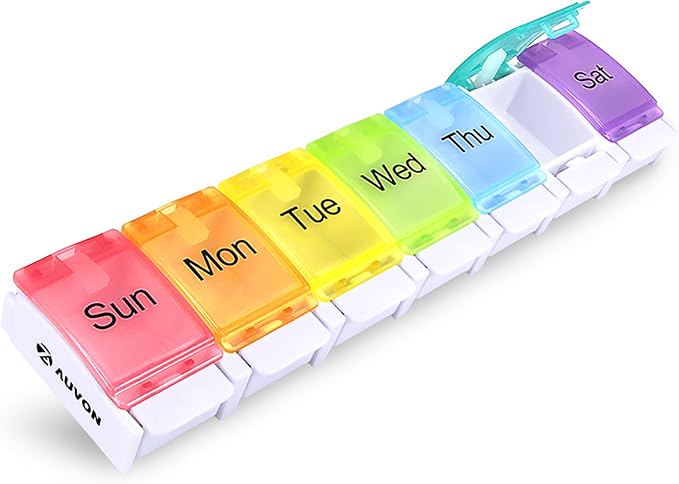
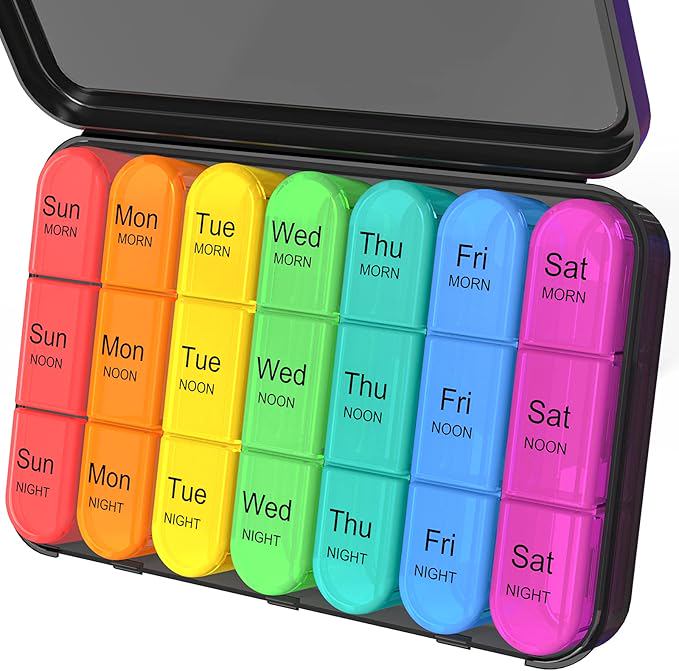
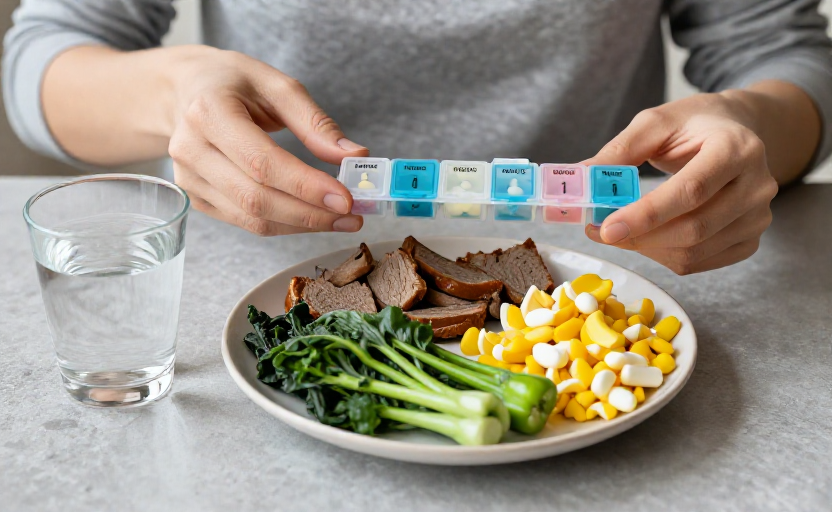
Memory alone rarely works for complex medication timing, especially when different drugs have different meal requirements. A concrete schedule written down—or stored in your phone's notes or a pillbox—is far more reliable. Work with your pharmacist or diabetes educator to create a simple one-page chart showing each medication, its dose, when to take it relative to meals, and what to do if you miss a dose. For example:
- Metformin (extended-release): Take once daily with the evening meal.
- Rapid-acting insulin (lispro): Inject 10–15 minutes before each meal.
- Sulfonylurea (glimepiride): Take once daily with breakfast or the first main meal.
Post it on your refrigerator or keep it next to your pill bottle. Review the schedule every time you have a change in medication, dose, or meal pattern. A little structure turns tricky timing into automatic habit.
Medication timing is not a one-size-fits-all science—it's a daily practice that adjusts to your life, your body, and your prescriptions. Use these expert-backed tips as a starting place for a conversation with your healthcare team. When you align your medications with your meals, you're not just following instructions—you're actively partnering in your own health.