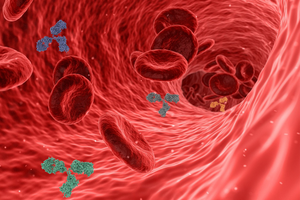

When it comes to heart health, the idea of arterial plaque can feel both abstract and alarming. Plaque — a buildup of fat, cholesterol, calcium, and other substances inside your artery walls — doesn’t form overnight. It develops quietly over years. What many people don’t realize is that certain daily habits can actively accelerate that process, making existing plaque more dangerous and increasing the risk of a heart attack or stroke.
Below, we walk through four widespread mistakes that can worsen arterial plaque and elevate cardiovascular risk. Recognizing these patterns is a first step toward protecting your arteries — not through perfection, but through small, informed shifts in your routine.
1. Relying on processed and ultra-processed foods as daily staples
It’s no secret that a diet heavy in fast food, packaged snacks, and sugary drinks is linked to heart disease. But the connection to arterial plaque is more specific than you might think. Ultra-processed foods are designed to be hyper-palatable, but they are also loaded with refined sugars, unhealthy fats, and sodium.
Here is how they affect your arteries:
- Refined sugars promote inflammation and can raise triglycerides, both of which encourage plaque formation.
- Trans fats and saturated fats increase LDL cholesterol — the “bad” kind that infiltrates artery walls and forms the core of plaque.
- Excess sodium raises blood pressure, putting mechanical stress on arterial walls, making them more vulnerable to plaque deposits.
The habit of replacing whole foods with processed options — even seemingly “healthy” ones like flavored yogurts, granola bars, or diet sodas — can quietly undermine arterial health. Swapping even one processed meal a day for a whole-food alternative, such as a vegetable-rich salad or a bowl of oatmeal with berries, can begin to shift your inflammatory profile.
A 2021 study in the Journal of the American College of Cardiology found that for every 10% increase in ultra-processed food consumption, the risk of cardiovascular disease rose by 12%. The damage is cumulative, not immediate.
2. Sitting for long stretches without movement breaks
Sedentary behavior has become a hallmark of modern life — long hours at a desk, followed by evenings on the couch. While regular exercise is well-known to protect the heart, research increasingly shows that prolonged sitting itself is a distinct risk factor, even if you exercise occasionally.
Sitting for hours reduces blood flow and metabolic activity. Over time, this contributes to higher blood pressure, increased insulin resistance, and higher triglyceride levels — all conditions that promote arterial plaque progression. Worse, when you remain still, the muscles in your legs stop contracting effectively, which impairs circulation and can increase the stickiness of arterial walls.
What you can do: build movement into your day without overhauling your schedule.
- Stand or walk for 2–3 minutes every 30 minutes.
- Use a standing desk for part of your workday.
- Do simple calf raises or leg stretches during phone calls.
These micro-breaks improve blood circulation and reduce the metabolic triggers that worsen plaque buildup. Over the span of a year, those small interruptions add up.
3. Ignoring chronic stress and poor sleep quality
Many people treat stress and sleep as lifestyle “extras” — nice to manage, but not central to heart health. In reality, chronic stress and insufficient sleep directly influence arterial plaque through hormonal and inflammatory pathways.
When you are under constant stress, your body produces higher levels of cortisol. Elevated cortisol increases blood pressure, promotes inflammation, and can lead to visceral fat accumulation — all factors that accelerate plaque formation. Sleep deprivation compounds the problem: it disrupts the body’s ability to regulate blood sugar, raises cortisol further, and promotes oxidative stress inside the arteries.
A 2019 meta-analysis in Sleep Medicine Reviews concluded that individuals who sleep fewer than 6 hours per night have a significantly higher risk of coronary artery calcification — a marker of plaque burden.
Practical steps that are backed by research:
- Establish a consistent bedtime, even on weekends.
- Practice 5–10 minutes of deep breathing or mindfulness before bed.
- Reduce screen exposure in the hour before sleep.
- Consider a short walk or journaling to offload stress earlier in the evening.
Addressing stress and sleep is not a secondary concern — it is a primary lever for slowing plaque progression.
4. Misunderstanding or avoiding cholesterol management
Cholesterol has become a confusing topic. Some people assume that because they feel fine, their cholesterol levels must be okay. Others avoid getting tested for fear of being put on medication. And a common mistake is focusing only on total cholesterol while ignoring the ratio of LDL to HDL and triglycerides.
Here is what matters for arterial plaque:
- LDL cholesterol is the primary transporter of cholesterol into artery walls. High LDL, especially small dense LDL particles, is strongly associated with plaque formation.
- HDL cholesterol helps remove excess cholesterol from arteries. Low HDL means your body is less efficient at clearing plaque.
- Triglycerides — high levels are linked to diet and insulin resistance, and they contribute to plaque vulnerability.
The mistake is thinking that diet alone is enough for everyone. While reducing saturated fat and increasing fiber can improve your lipid profile, some individuals have a genetic tendency toward high cholesterol. Lifestyle changes help, but they may not be sufficient. Regular screening — at least once every 4 to 6 years for most adults, or more often if you have risk factors — is essential.
Do not dismiss your numbers simply because you are young, active, or have no symptoms. Arterial plaque is a silent process. The first sign is often a heart attack.
If your doctor recommends a statin or other medication, understand that these drugs reduce plaque progression and stabilize existing plaque, making it less likely to rupture. This is not a failure of lifestyle — it is a targeted intervention to protect your arteries.
Bringing it together: Your arteries respond to the long game
No single mistake causes arterial plaque, and no single change reverses it overnight. But each of these four habits — eating mostly processed foods, sitting all day, neglecting stress and sleep, and avoiding cholesterol management — acts like a slow drip, steadily increasing your risk. The good news is that reversing course at any point slows the process. Your body can repair some arterial damage if you remove the triggers.
Start with one area that feels manageable. It could be replacing one processed snack with fruit and nuts. It could be setting a timer to stand every half hour. Small consistent changes matter more than a perfect plan that never begins.