
For an organ that rarely gets a second thought, your pancreas is doing a lot of heavy lifting. Tucked behind your stomach, it's the dual-purpose factory that produces digestive enzymes to break down food and secretes hormones like insulin and glucagon to regulate blood sugar. When it starts to struggle, the signals can be subtle—easy to brush off as a bad meal or a stressful week. But recognizing the early whispers of declining pancreas function can be critical for preventing more serious conditions like pancreatitis, exocrine pancreatic insufficiency (EPI), or type 2 diabetes. Here are five early warning signs that warrant a conversation with your healthcare provider.
1. Unexplained changes in your bowel habits
One of the pancreas's primary jobs is to release lipase, an enzyme that digests dietary fat. When pancreatic function dips, fat digestion suffers. This often shows up in the toilet bowl. You might notice stools that are pale, greasy, bulky, or float more than usual—a condition known as steatorrhea. They can also be particularly foul-smelling and difficult to flush away. While occasional changes are normal, persistent oily or light-colored stools are a classic red flag for malabsorption linked to pancreatic health.
2. A dull, persistent ache in the upper abdomen
Pain from the pancreas tends to have a signature feel: a gnawing or boring sensation deep in the upper abdomen, often radiating straight through to the back. It might be mild at first, but it can worsen after eating—especially after a fatty meal. You might find yourself leaning forward or curling up to get some relief. This isn't a sharp, fleeting cramp; it's a steady, nagging discomfort that doesn't resolve quickly. If this pattern sounds familiar, it’s worth getting checked out, as ongoing inflammation can silently scar pancreatic tissue.
3. New or worsening blood sugar swings
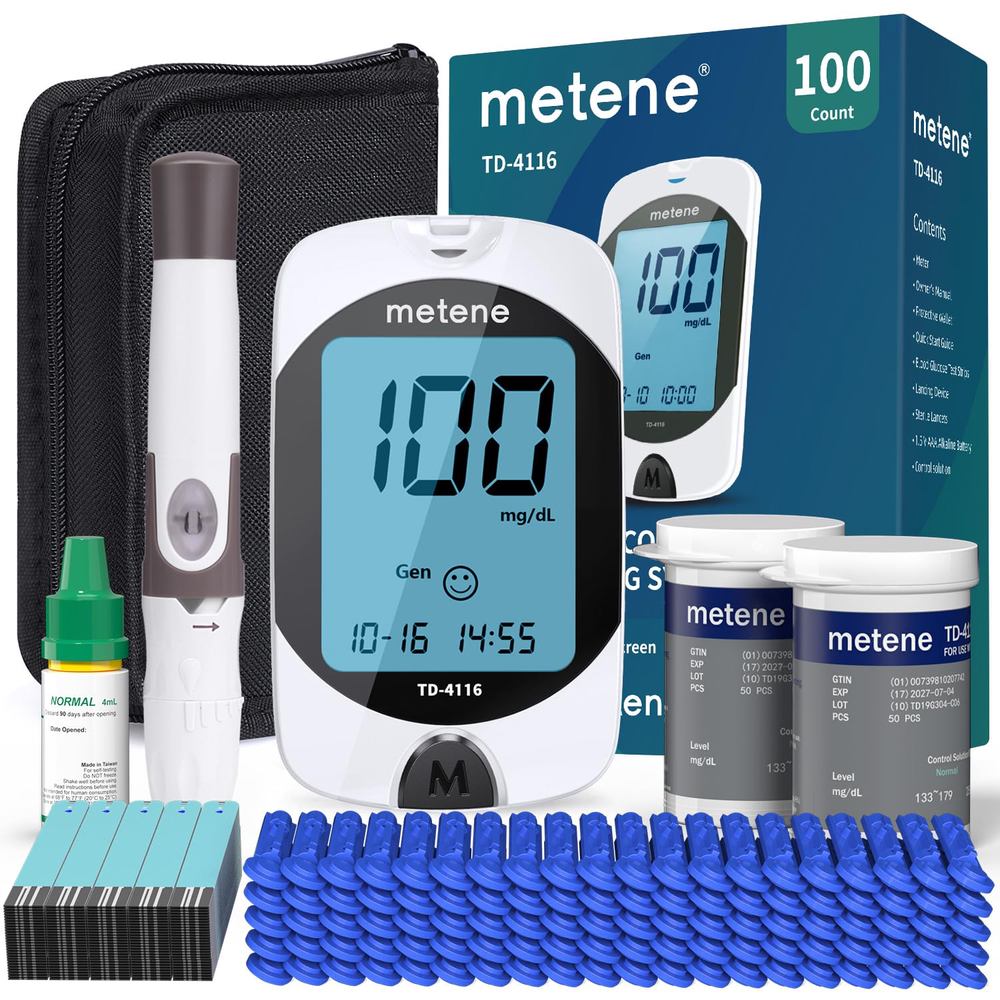
Your pancreas houses the islet cells that produce insulin. When those cells become damaged or fatigued, blood sugar regulation starts to slip. You may experience unusual thirst, needing to urinate more frequently—especially at night—or feeling inexplicably shaky, dizzy, or irritable between meals. Some people notice blurred vision or a new, persistent fatigue that a full night's sleep doesn't fix. These are hallmarks of prediabetes or early diabetes, often driven by a pancreas that isn't keeping up with insulin demand.
4. Unintentional weight loss despite normal eating
If you're eating adequately but the scale keeps dropping, your pancreas could be the culprit. When the organ isn't producing enough digestive enzymes, your body simply cannot absorb the nutrients and calories from the food you eat—even if you're consuming enough. This malabsorption leads to weight loss, often accompanied by a frustrating sense of being undernourished. Coupled with the other signs on this list, unexplained weight loss is a strong indicator that something is amiss in your digestive signaling chain.
A quick caveat: Many conditions can cause weight loss, but when it occurs alongside greasy stools or upper abdominal pain, pancreatic function should be high on the list of suspects.
5. Bloating, gas, and a feeling of extreme fullness
Because undigested food reaches the colon where bacteria ferment it, declining pancreatic function often creates excessive gas and bloating shortly after eating. You might feel uncomfortably full even after a small meal, or experience loud gurgling sounds from your abdomen. This isn't just garden-variety bloating after a big meal—it's a regular occurrence that happens because your small intestine isn't getting the enzyme backup it needs to handle the food arriving from your stomach.
What to do if these sound familiar
None of these symptoms on their own mean you have pancreatic disease. But if you're experiencing two or more—especially persistent abdominal pain with changes in stool and weight—it's time to see a doctor. Simple blood tests can measure levels of pancreatic enzymes like amylase and lipase. A fecal elastase test can determine if your pancreas is making enough enzymes for digestion. Imaging such as an ultrasound or CT scan can check for structural changes, inflammation, or scarring. Catching problems early often means better outcomes, whether the underlying cause is inflammation, fatty infiltration, or declining beta-cell function.
Supporting your pancreas through daily habits
While medical evaluation is essential for any concerns, supporting overall pancreatic health can be part of your wellness routine. A diet that's lower in processed sugars and unhealthy fats reduces the demand on your pancreas to produce large amounts of insulin. Staying hydrated and maintaining a healthy body weight also help. For some people with confirmed enzyme insufficiency, pancreatic enzyme replacement therapy (PERT) prescribed by a doctor can dramatically improve quality of life by restoring proper digestion.
Your pancreas works quietly in the background every single day. Learning to recognize the subtle signs that it might need support is one of the most empowering things you can do for your long-term health.