
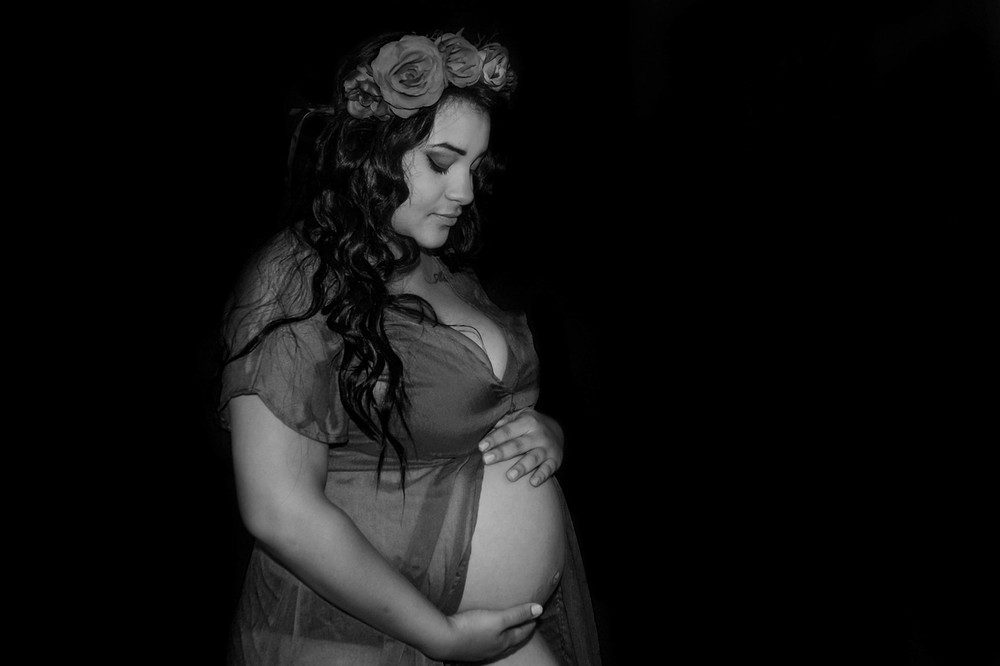
Prenatal screening tests provide valuable information about a developing baby's health, but what you consume before these appointments may influence the results. While healthcare providers often discuss dietary restrictions with patients, the role of beverage choices is sometimes overlooked. Understanding which drinks can affect screening outcomes empowers expectant parents to prepare properly and avoid unnecessary follow-up tests.
The following five beverages have been associated with potential interference with prenatal screening accuracy. This does not mean a single sip guarantees an abnormal result, but avoiding these drinks before your appointment helps ensure the most reliable outcome.
Why what you drink matters for prenatal screening
Prenatal screenings measure specific substances in the mother's blood, including hormones, proteins, and fetal DNA. The concentration and integrity of these markers can be altered by certain ingredients in beverages. Caffeine, artificial sweeteners, alcohol, and herbal compounds can temporarily shift metabolic processes or directly interfere with the assays used in laboratories. Most effects are transient, but timing your last drink carefully before blood draws can help eliminate beverage-related variables.
1. Coffee and other caffeinated drinks
Caffeine, found in coffee, black tea, green tea, energy drinks, and some sodas, can temporarily affect several metabolic pathways. For first-trimester combined screening, which measures pregnancy-associated plasma protein-A (PAPP-A) and human chorionic gonadotropin (hCG), caffeine consumption has been associated with altered levels of these markers in some research. Caffeine also acts as a mild diuretic, potentially affecting blood volume and hydration status, which can influence the concentration of biomarkers. Most obstetric guidelines recommend limiting caffeine to 200 mg per day during pregnancy anyway, but if your screening is scheduled within a few hours of your last cup, consider shifting your coffee routine to after the appointment.
2. Alcohol
Alcohol can interfere with liver function and blood chemistry for up to several days after consumption. Since prenatal screenings often include liver enzyme tests and other metabolic panels, even moderate alcohol intake within 48 hours of a blood draw may cause transient elevations in certain enzymes. Some research suggests alcohol may also affect cell-free fetal DNA levels in non-invasive prenatal testing (NIPT), though this is less well documented. The safest approach is to refrain from alcohol for at least 24 to 48 hours before any prenatal blood screening, and ideally throughout pregnancy as recommended by major health organizations.
3. Artificially sweetened beverages
Diet sodas, sugar-free flavored waters, and other drinks containing artificial sweeteners like aspartame, sucralose, or saccharin have been shown to influence glucose metabolism and insulin response in some individuals. For glucose tolerance tests used to screen for gestational diabetes, artificially sweetened drinks can theoretically skew baseline metabolic readings if consumed too close to the test. The concern is less about direct chemical interference and more about metabolic priming: your body's insulin sensitivity and glucose processing can be affected by sweet taste receptors even in the absence of actual sugar. If you consume zero-calorie beverages regularly, switching to plain water for 12 hours before a glucose screening may help ensure accurate baseline measurements.
4. Herbal teas and botanical infusions
Herbal teas are often perceived as harmless, but certain botanicals have documented effects on hormone levels and blood chemistry. Licorice root tea, for instance, contains glycyrrhizin, which can elevate cortisol and affect electrolyte balance. Raspberry leaf tea, commonly used later in pregnancy to tone uterine muscles, has been associated with changes in oxytocin-related markers. Chamomile and peppermint teas are generally considered safe but may contain trace compounds that could theoretically interfere with sensitive immunoassays used in some screening panels. A good rule of thumb is to avoid any herbal tea you have not discussed with your midwife or obstetrician for at least 24 hours before blood work.
5. Sports drinks and electrolyte beverages
Commercially available sports drinks typically contain significant amounts of sodium, potassium, and other electrolytes, along with added sugars or artificial sweeteners. These can temporarily alter the electrolyte balance in your blood, which may affect the accuracy of certain screening components that depend on precise electrolyte calibration. Additionally, the high sugar content in traditional sports drinks can cause a rapid spike in blood glucose, which may interfere with gestational diabetes screening if consumed within an hour or two of the test. For routine hydration before prenatal appointments, plain water is the most reliable choice.
Practical tips for screening day
To support accurate prenatal screening results, consider these straightforward strategies:
- Schedule morning appointments when possible, so you have not spent the day consuming various beverages.
- Stick with plain water for at least 2 to 4 hours before a blood draw.
- If you need caffeine, have a small amount of coffee or tea at least 4 hours before your appointment.
- Write down everything you ate and drank in the 24 hours before screening and share it with your provider if results come back unexpected.
Remember that slight variations in screening results are common and do not automatically indicate problems. If a result falls outside the normal range, your provider will typically recommend a follow-up test rather than drawing immediate conclusions. Being mindful of your beverage choices is one more way you can actively participate in your prenatal care with clarity and confidence.