When you’re keeping an eye on your blood glucose, the obvious culprits are easy to spot. A can of regular soda, a glass of fruit punch—those are clear sugar bombs. But what about the drinks that don’t taste particularly sweet, the ones you might reach for thinking you’re making a healthier choice?
The truth is, several common beverages can send your glucose levels climbing higher than you’d expect, and they don’t always come with a warning label. Whether you’re managing type 2 diabetes or just trying to avoid energy crashes, it’s worth knowing which drinks can quietly undermine your efforts. Here are five that deserve a second look.
1. Store-Bought Smoothies: A Sugar Avalanche in Disguise
A smoothie sounds virtuous—fruit, maybe some yogurt, blended into a convenient breakfast or snack. But a typical bottled or chain-store smoothie packs a startling amount of sugar, often 40 to 60 grams in a single serving. That’s the equivalent of gulping down 10 to 15 teaspoons of sugar.
The problem isn’t just the quantity; it’s the form. Blending fruit breaks down the fiber, turning a slow-release snack into a rapid glucose spike. Your body absorbs that liquid sugar almost as fast as it would a soda, and without the fiber to slow digestion, your blood sugar can jump within 20 minutes.
The smarter swap: Make your own smoothie at home. Use a handful of berries and a full vegetable base (like spinach or cucumber), add a scoop of unsweetened protein powder, and skip the juice. You’ll get fiber, protein, and far less sugar.
2. Flavored Coffees: The Morning Trap
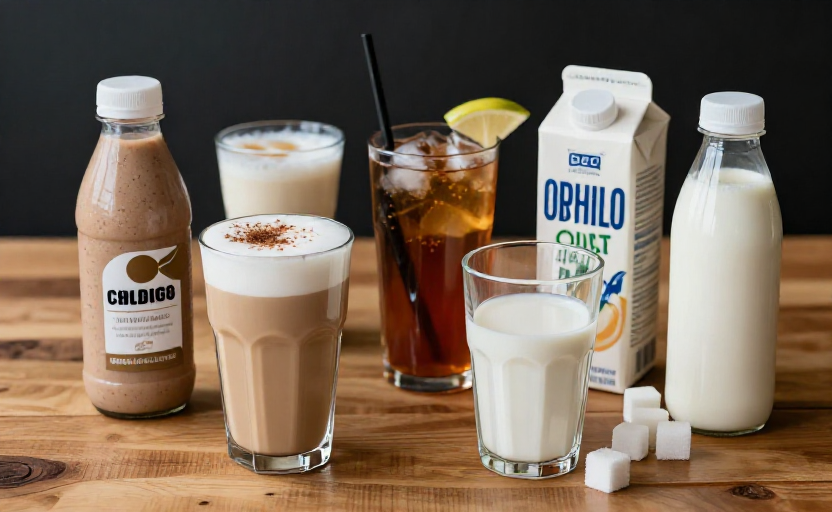
Plain black coffee doesn’t raise blood sugar. But the moment you add flavored syrups, sweetened creamers, or a bottled iced coffee drink from the convenience store, the picture changes dramatically. A medium flavored latte from a popular chain can contain 30 to 50 grams of sugar—more than a Snickers bar.
Many people don’t count their coffee as a “drink with sugar” because it doesn’t taste cloyingly sweet. But those pumps of vanilla, caramel, or hazelnut syrup are pure liquid glucose. Even “sugar-free” syrups can contain sugar alcohols that may affect some people’s levels.
The strategy: If you need flavor, try a dash of cinnamon, a splash of unsweetened almond milk, or a sugar-free syrup that lists erythritol or stevia as the sweetener. Better yet, train your palate to enjoy the natural taste of good coffee.
3. Sweetened Iced Teas: Not the Health Halo You Think
Iced tea often gets a free pass. It’s tea, right? Antioxidants, hydration, more interesting than plain water. But sweetened iced tea, whether from a restaurant, a bottle, or a powder mix, can load your system with 20 to 40 grams of sugar per serving. That’s not far off from soda.
Part of the trap is labeling. “Lightly sweetened” can still mean 10 to 15 grams per serving. And the serving size on a bottle is often smaller than what most people drink in one sitting. If you finish a 16-ounce bottle, you’re likely consuming two to three servings’ worth of sugar.
What to do: Brew your own unsweetened tea at home. Add lemon slices, mint, or a few frozen berries for flavor without the sugar load. If you buy bottled, look for the word “unsweetened” in large letters on the front—then check the nutrition label to confirm zero sugar.
4. Plant Milks: The Unsweetened vs. Sweetened Divide
Switching from cow’s milk to a plant-based alternative is a popular move for many reasons, but the sugar content varies wildly. A cup of unsweetened almond milk has less than 1 gram of sugar. A cup of sweetened oat milk or rice milk can have 10 to 15 grams—all added sugar, not naturally occurring.
Oat milk is a particular snare. It’s often marketed as creamy and healthier, but it’s made from oats that are enzymatically broken down into simple sugars. Many commercial oat milks have a glycemic index comparable to a sugary drink. If you’re drinking it in coffee, cereal, or a smoothie, the glucose spike can be significant—especially if you’re also eating other carbs.
Check the label: Always buy “unsweetened” versions. Even within the same brand, the sweetened and unsweetened options look nearly identical. Don’t assume it’s safe because it’s plant-based.
5. Sports Drinks: Designed for Athletes, But Grabbed by Everyone
Sports drinks like Gatorade and Powerade were formulated for endurance athletes who need to replace electrolytes and carbohydrates during prolonged, intense exercise. That’s a specific scenario. For a moderate workout, a brisk walk, or a day at the office, these drinks deliver a heavy sugar payload (about 20 to 30 grams per bottle) that your body doesn’t need.
Many people drink them for hydration or because they associate them with being active. But unless you’re sweating for 90 minutes or more at high intensity, you’re better off with plain water and a balanced meal afterward. Your muscles won’t miss the sugar, but your blood sugar will notice it.
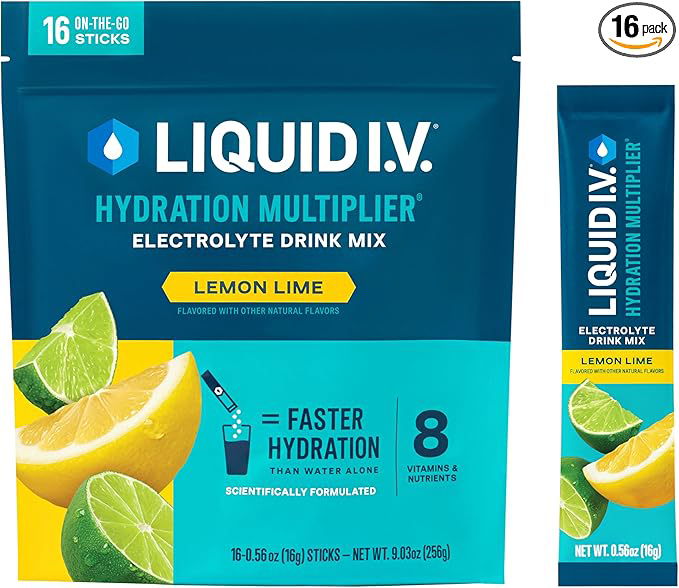
The bottom line: If you’re active, rehydrate with water. For electrolyte replacement, consider an unsweetened electrolyte tablet or a pinch of salt and a squeeze of lemon in water.
How to Keep Your Drinks Blood-Sugar Friendly
The simplest way to avoid unexpected spikes is to stick with water, unsweetened tea, and black coffee. But you don’t have to live a life of boring beverages. The key is reading nutrition labels carefully—not just the front-of-package claims, but the actual sugar grams per serving—and being mindful of serving size.
Watch out for “total sugars” on labels. If a drink has 15 grams or more per serving, ask yourself if you really need that much sweetness. Often, half the serving or a lower-sugar version can satisfy your craving without the crash.
And finally, remember that liquid sugar is absorbed faster than solid food. That’s why a can of soda or a sweet latte can spike your glucose in minutes, while a piece of fruit with fiber takes longer. When you do choose a sweet beverage, try to pair it with a source of protein or healthy fat—like nuts, yogurt, or a hard-boiled egg—to blunt the spike.
Your body gives you feedback. If you feel a sudden energy high followed by a crash, brain fog, or shakiness, that drink you just had might be the reason. Trust that signal, and adjust accordingly.