When you're on your period, your body loses blood, and with it, iron. That's why many health experts recommend paying extra attention to iron intake during menstruation — especially for people who experience heavy bleeding. But here's the catch: what you drink can work against your efforts. Some common beverages can significantly reduce the amount of iron your body absorbs from a meal, making it harder to replenish your stores.
Iron deficiency is one of the most widespread nutritional issues globally, and it affects women and people who menstruate at higher rates. If you're trying to keep your energy levels steady and your body well-nourished during your period, it pays to know which drinks might be sabotaging your iron absorption. Below are five beverages to be mindful of — and a few tips on when to reach for them instead.
1. Coffee and Black Tea
Your morning cup of coffee or afternoon black tea contains tannins — naturally occurring compounds that bind to iron in the digestive tract. This binding makes the iron less available for your body to absorb. The effect is most pronounced with non-heme iron, the type found in plant foods like spinach, beans, and lentils. If you rely on plant-based sources of iron, drinking coffee or black tea with a meal could cut iron absorption by as much as 60–80%.
That doesn't mean you have to give up your favorite hot drinks entirely. The key is timing. Try to enjoy your coffee or tea at least one hour before or two hours after an iron-rich meal. That little buffer can make a big difference.
2. Green and Herbal Teas
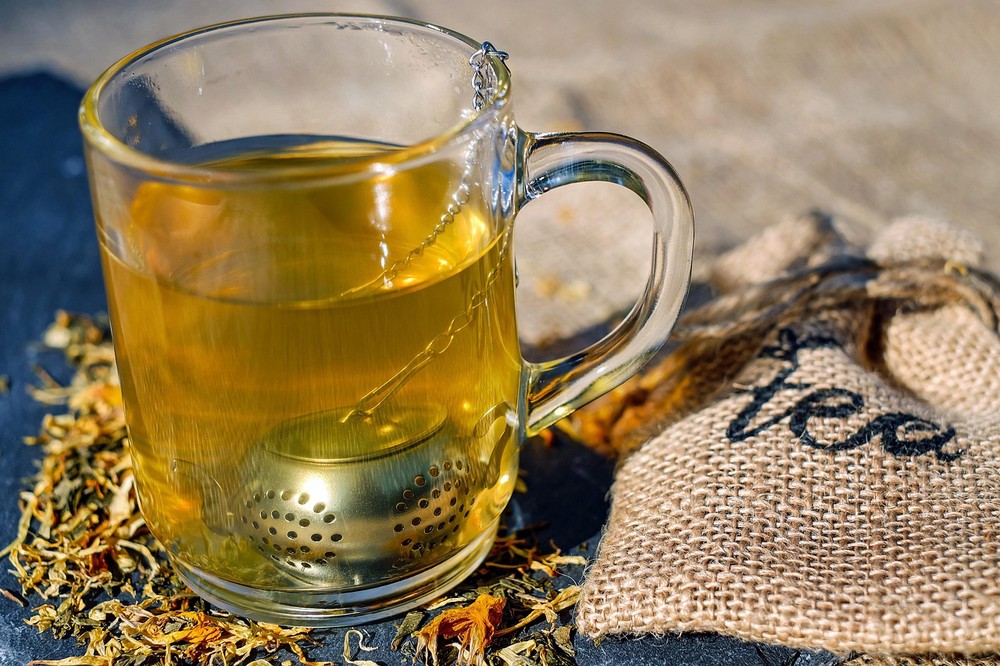
Green tea also contains tannins, though generally in slightly lower amounts than black tea. Still, the effect on iron absorption is real. Herbal teas like peppermint, chamomile, and rooibos also contain polyphenols — another group of compounds that can interfere with iron uptake. Even "caffeine-free" teas aren't necessarily iron-friendly.
If you enjoy a warm cup of tea during your period, consider making it a between-meals ritual rather than a side to your breakfast or lunch. Your body will have an easier time absorbing iron when tea isn't present in the digestive mix.
3. Cow's Milk and Other Dairy Drinks
Milk, yogurt drinks, and other dairy-based beverages are rich in calcium — a mineral that competes with iron for absorption. When both are present in the gut at the same time, calcium can reduce the amount of iron your body absorbs, regardless of whether it's heme (animal-based) or non-heme iron.
This doesn't mean you should avoid dairy. Calcium is important for bone health and muscle function. But if you're eating a meal specifically to boost your iron levels — say, a spinach omelet or lentil soup — it's smart to skip the glass of milk on the side. Save the dairy for a snack a few hours later.
4. Soy Milk
Soy milk is a popular dairy alternative, but it has a double impact on iron absorption. First, like cow's milk, it contains calcium. Second, soy is rich in phytates (phytic acid), which also bind to iron and block its absorption. Phytates are present in many legumes and whole grains, and they're a common challenge for plant-based eaters trying to maintain iron levels.
If you use soy milk in smoothies or with cereal, try to pair those meals with a source of vitamin C — like a squeeze of lemon, some berries, or a side of bell peppers. Vitamin C can counteract some of the inhibitory effects of phytates and calcium, helping your body hold on to more iron.
5. Red Wine
A glass of red wine may feel relaxing at the end of a long day, but it's another beverage that can interfere with iron absorption. Red wine contains both tannins (from grape skins) and polyphenols. The combination makes it particularly effective at reducing iron uptake. Even moderate alcohol intake can affect how your body processes and stores iron over time.
During your period, especially if you're already at risk for iron deficiency, it's a good idea to keep alcoholic beverages to a minimum. If you do choose to drink, have your glass well away from iron-rich meals — and consider alternating with water to stay hydrated.
How to Get the Most Iron From Your Meals
Knowing which drinks to avoid at mealtime is one piece of the puzzle. Here are a few simple strategies to support iron absorption when you're on your period:
- Pair iron-rich foods with vitamin C. A squeeze of lemon over spinach, a side of strawberries with oatmeal, or a tomato-based sauce with beans can significantly boost absorption.
- Eat heme and non-heme iron together. Meat contains heme iron, which is absorbed more easily. When you eat a small amount of meat alongside plant-based iron sources (like beans or leafy greens), your body absorbs more of the non-heme iron too.
- Space out your inhibitors. Keep coffee, tea, dairy, and soy milk at least one to two hours away from your main iron-containing meals.
- Stay hydrated with water. It doesn't block iron and it helps your body manage the physical demands of menstruation.
Quick tip: A small handful of almonds or a hard-boiled egg makes a good snack between meals — they contain nutrients that support iron metabolism without interfering with absorption.
A Note on Individual Differences
Not everyone absorbs or loses iron at the same rate. People with heavy periods, those who follow a vegetarian or vegan diet, and individuals with certain digestive conditions may be more vulnerable to low iron levels. If you frequently feel fatigued, lightheaded, or short of breath around your period, it's worth talking with a healthcare provider. A simple blood test can check your ferritin and hemoglobin levels, and they can help you decide whether supplements are appropriate for your situation.
Your body is doing a lot of work during menstruation — supporting it with smart choices about what you drink is a gentle way to show it some care.