When you live with a sleep disorder, the line between a good night and a rough one can feel razor-thin. You might be doing everything “right” — climbing into bed at a reasonable hour, avoiding late-night action movies — yet still find yourself staring at the ceiling. Often, the culprit isn't what happens in the bedroom. It’s what you do during the day.
Small, seemingly harmless daily habits can quietly feed insomnia, sleep apnea, or restless legs syndrome. The good news is that adjusting these patterns often brings noticeable relief. Below are five common daytime habits that worsen sleep disorders, along with practical, research-backed fixes you can start tonight (or, more accurately, tomorrow morning).
The late-afternoon caffeine trap
You know that coffee in the morning is fine. But what about the 2:00 p.m. soda, the 4:00 p.m. iced tea, or the post-dinner square of dark chocolate? Caffeine has a half-life of roughly five to six hours, meaning that a 4 p.m. cup of coffee still has half its caffeine circulating at 9 or 10 p.m. For someone with a sleep disorder — especially insomnia — that lingering stimulant can delay sleep onset, fragment sleep architecture, and amplify nighttime vigilance.
The fix: Set a caffeine cutoff time. For most people, that means no caffeine after 12:00 or 1:00 p.m. If you need an afternoon pick-me-up, consider a short walk, a glass of cold water, or a handful of almonds. Pay attention to hidden sources: green tea, matcha, some sparkling waters, and even decaf coffee (which contains a small amount of caffeine) can add up.
Irregular sleep scheduling (the “social jet lag” problem)
Sleep disorders thrive on inconsistency. When you wake up at 6 a.m. on weekdays but sleep until 10 a.m. on weekends, you create a pattern known as social jet lag. Your internal circadian clock gets confused, your melatonin release shifts, and your sleep disorder — whether it's delayed sleep phase or chronic insomnia — gets worse. Irregular timing also weakens the association between your bed and sleep, making it harder to fall asleep even when you are tired.
The fix: Pick a wake-up time and stick to it every single day, including weekends and holidays. If you must vary, keep the difference within 60 minutes. Yes, that Saturday morning lie-in feels luxurious, but it may be undoing the progress you made all week. Set your alarm and get up, even if you slept poorly. Consistency reinforces your sleep drive and stabilizes your circadian rhythm more effectively than any sleep aid.
Evening alcohol as a “sleep aid”
Alcohol is a sedative, not a sleep-promoting substance. A nightcap may help you fall asleep faster, but it fragments sleep in the second half of the night. Alcohol suppresses REM sleep, worsens sleep apnea by relaxing throat muscles, and increases nighttime urination. For people with restless legs syndrome, alcohol can also trigger or intensify symptoms.
The fix: If you drink, finish your last alcoholic beverage at least three hours before bedtime. Better yet, replace the nightly wind-down drink with a ritual that doesn't interfere with sleep: a cup of herbal tea (chamomile, passionflower, or lemon balm), a short stretching sequence, or a few minutes of paced breathing. The goal is to signal relaxation without chemically disrupting your sleep architecture.
Eating too close to bedtime
Digestion requires energy and metabolic activity — both of which oppose the rest-and-digest state you need for sleep. Eating a large meal within two to three hours of bedtime can cause heartburn, indigestion, and blood sugar fluctuations that wake you up. For those with sleep apnea, a full stomach can also push upward on the diaphragm, making breathing slightly more labored. Spicy or acidic foods in particular can trigger reflux that disrupts sleep.
The fix: Make dinner your smallest meal of the day, and finish eating at least two to three hours before lights-out. If you genuinely need a small snack close to bedtime (for example, to prevent a blood sugar dip), choose something light and sleep-friendly: a small banana, a few unsalted almonds, or a warm glass of milk. Avoid heavy fats, large protein portions, and anything spicy or sugary in the evening window.
Using the bedroom for non-sleep activities
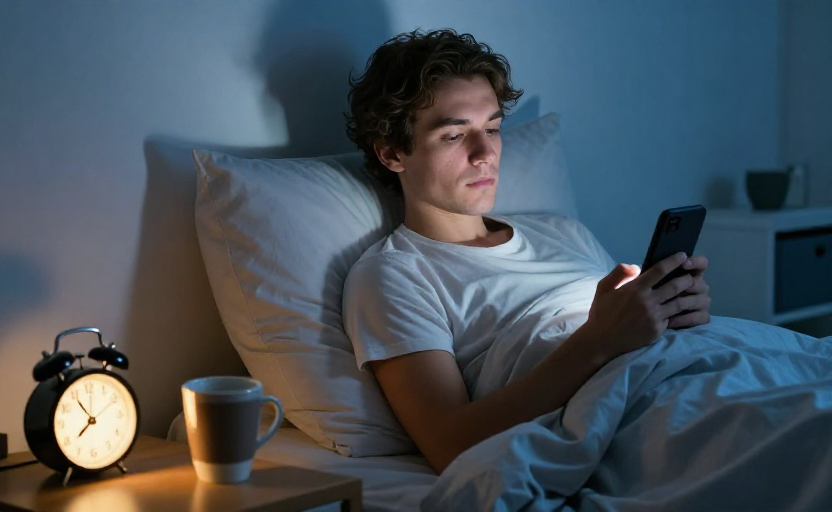
This habit is so common it barely registers as a problem — yet it's one of the core drivers of conditioned insomnia. When you work in bed, scroll on your phone, watch TV, or even have intense conversations under the covers, your brain begins to associate the bedroom with wakefulness, anxiety, and stimulation. Over time, the bed loses its power as a cue for sleep. This is called poor sleep hygiene, and it's one of the first things sleep specialists address.
The fix: Reclaim your bedroom as a sleep-only sanctuary. Remove TVs, laptops, and tablets from the room if possible. Charge your phone outside the bedroom or on a bedside table face-down. Do your deep thinking, planning, or worrying — often called a “brain dump” — earlier in the evening, in a different room. If you can't fall asleep after 20 minutes, get up and go to a dimly lit area until you feel sleepy, then return. This strengthens the mental link between bed and sleep.
A brief note on timing and patience: Changing habits takes time. If you have a diagnosed sleep disorder — especially sleep apnea or chronic insomnia — these lifestyle adjustments are supportive, not curative. Work with your healthcare provider on a comprehensive treatment plan. These daily fixes simply clear the path so that your treatment can work more effectively.
Sleep disorders are complex, but your daily habits are within your control. By tightening your caffeine window, stabilizing your wake time, rethinking alcohol, adjusting your evening eating, and protecting your bedroom's sleep-only status, you give your body a real chance to rest. Start with one change this week — just one — and notice how your nights begin to shift.