When your schedule is packed and stress is running high, drinking enough water is often the first thing to slip. Between back-to-back meetings, racing thoughts, and a brain that’s already overloaded, remembering to refill your glass can feel like one more chore. But dehydration doesn’t just make you thirsty—it can worsen fatigue, cloud your focus, and even amplify that jittery feeling stress already brings.
The good news is that staying hydrated doesn’t require a complicated routine or constant reminders. By weaving a few simple habits into your day, you can support your body and mind through the busiest hours without adding mental load. Here are five daily practices that help you stay hydrated even when life feels overwhelming.
1. Anchor water to existing routines
Instead of trying to remember to drink water at random times, attach it to things you already do without thinking. This is called habit stacking, and it works because your brain already has a trigger for the new action.
For example, place a full water bottle next to your coffee maker. Every morning while your coffee brews, take three long sips. After you brush your teeth at night, drink a small glass of water. When you sit down for lunch or an afternoon break, make it a rule to finish a cup of water before you check your phone.
These small anchors are easy to remember because they’re linked to actions that already happen on autopilot. Over the course of a day, they add up to significant hydration without any extra mental effort.
2. Eat your water with hydrating foods
Stress often messes with appetite, but you can still get fluids from what you eat. Many fruits and vegetables have a high water content and can contribute meaningfully to your total intake—especially on days when drinking plain water feels hard.
Cucumbers, celery, zucchini, and leafy greens are excellent choices, as are melons, strawberries, oranges, and grapefruit. A simple afternoon snack of sliced cucumber and bell pepper with hummus provides both hydration and steady energy.
Soups and broths also count, and they’re comforting during stressful moments. Clear vegetable soup or miso broth delivers fluids plus electrolytes, which are especially helpful if you’ve been sweating from anxiety or running around.
3. Set visual cues that don't rely on your phone
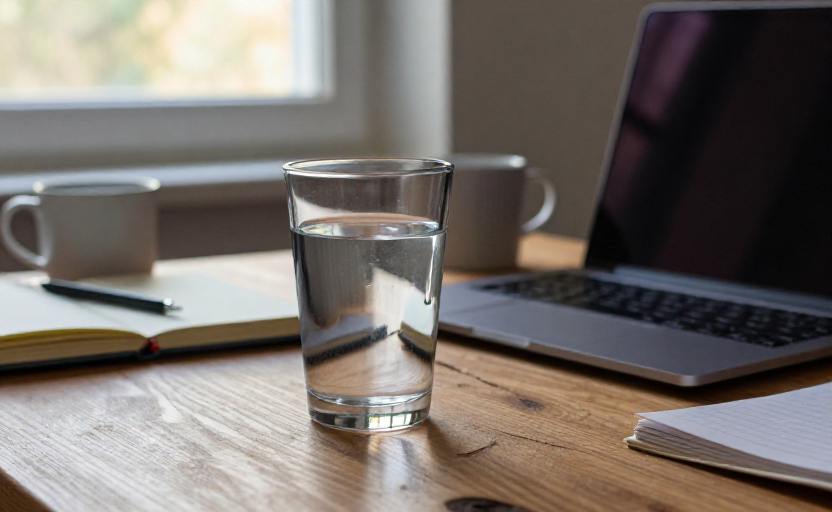
Notifications can be ignored or dismissed, especially when you’re in the middle of something urgent. A physical reminder is harder to overlook. Keep a dedicated water bottle on your desk, not tucked in a bag or drawer. If you work from home, place a pitcher and glass on the counter you pass most often.
Some people find it helpful to use a bottle with time markings (e.g., “9 AM,” “12 PM”), but even a simple transparent bottle lets you see how much you’ve had. The visual presence alone is often enough to trigger a sip when your eyes land on it during a stressful task.
Another low-tech trick: keep a glass of water in the bathroom. After washing your hands, it’s right there—and you’ve probably just spent a few minutes not thinking about work, so the habit is easier to start.
4. Add flavor and variety to make water appealing
When stress dulls your sense of taste or you’re tired of plain water, a little flavor can make a big difference. Infuse your water with cucumber slices, fresh mint, basil, or citrus rounds. Frozen berries also work and keep the water cold without diluting it too fast.
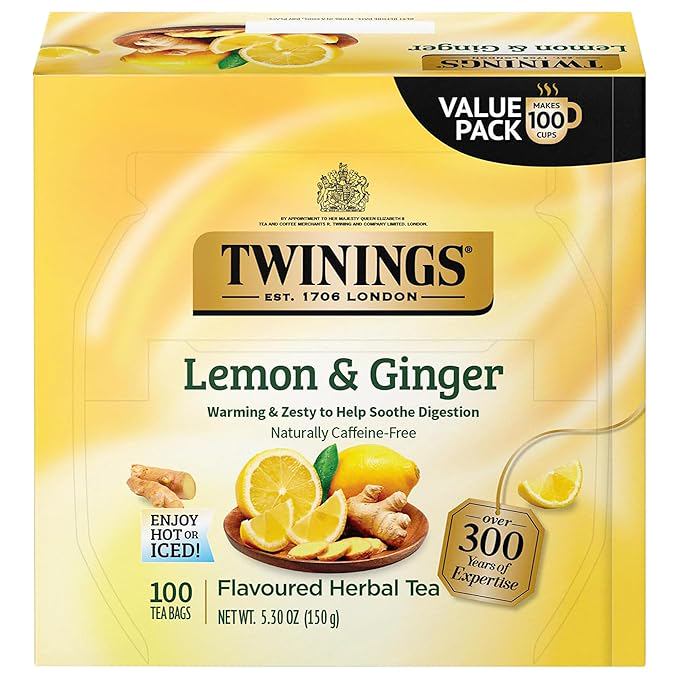
Herbal teas (caffeine-free) are another excellent way to increase fluid intake. Peppermint, chamomile, rooibos, or ginger tea are soothing and count toward your hydration goal. If the day is very warm and you need a cold option, try sparkling water with a splash of 100% fruit juice.
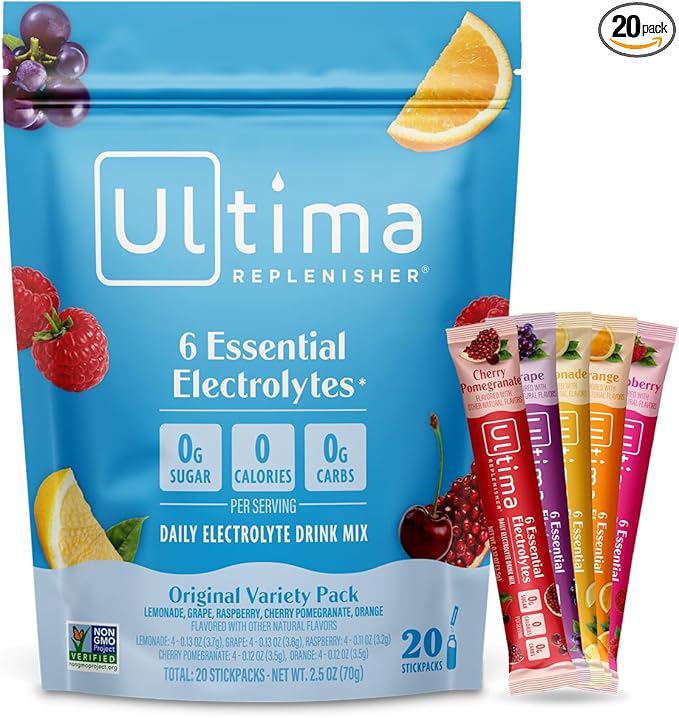
Electrolyte powders or tablets can be useful when stress has been high for a few days, especially if you’ve been losing fluids through sweat or poor appetite. Look for options without added sugar or artificial colors, and use them as a supplement, not a replacement for plain water.
5. Pause before reaching for caffeine
When stress hits, it’s tempting to grab another cup of coffee or a sugary energy drink. Caffeine is a mild diuretic, meaning it can increase urination and potentially contribute to fluid loss, especially if you’re already dehydrated. That doesn’t mean you need to give up coffee—just be strategic.
Before your second or third cup of coffee or tea, first drink a full glass of water. Then wait 10 minutes. If you still want the coffee, have it, but you’ll be starting from a more hydrated baseline. The same logic applies to sugary sodas or energy drinks: whatever caffeine they contain comes with a fluid cost.
Swapping one coffee break for a cup of herbal tea can also help you stay calm without the stimulant spike. Over the course of a high-stress day, this simple shift can prevent the cycle of caffeine-inflated anxiety and subsequent dehydration.
Hydration during high-stress days isn’t about achieving a perfect number of ounces. It’s about creating small, repeatable patterns that keep you steady when everything else feels scattered. Try one or two of these habits tomorrow, and see how much lighter your afternoon feels when your body has the fluid it needs.