
Starting a weight loss medication can feel like a turning point, but the journey is rarely a straight line. Many people expect immediate results, only to feel discouraged when the scale doesn't budge as fast as they hoped. Others fall into habits that quietly undermine their progress. Understanding the most common missteps can help you avoid them—and make the medication work as intended, alongside healthy lifestyle changes.
Mistake #1: Expecting the Medication to Do All the Work
It's easy to assume that a prescription will handle the heavy lifting, but weight loss medications are designed to support—not replace—healthy habits. They may reduce appetite or curb cravings, but they won't cancel out a diet high in processed foods or a completely sedentary day. Think of the medication as a tool that gives you a head start, not a free pass. The real results come from pairing it with balanced meals, regular movement, and consistent sleep.
Remember: The medication helps change the biology, but you still have to change the behavior.
Mistake #2: Skipping Meals or Severely Restricting Calories
Because these medications can dampen hunger, some people take it as a cue to eat very little. This usually backfires. Undereating can slow your metabolism, trigger fatigue, and lead to nutrient deficiencies. It also makes it harder to sustain the effort over weeks and months. Instead of slashing calories drastically, focus on eating enough protein, fiber, and healthy fats to keep your energy stable. A registered dietitian can help you find a calorie range that supports gradual, safe weight loss without deprivation.
Mistake #3: Ignoring Hydration and Electrolytes
Many weight loss medications can cause changes in how your body handles fluids. Some people experience mild dehydration, especially if they also reduce their food intake. Symptoms like headache, dry mouth, or constipation can worsen if you're not drinking enough water. Make it a habit to sip water throughout the day. If you notice muscle cramps or dizziness, consider whether you're getting enough electrolytes—particularly sodium, potassium, and magnesium—from food or a sugar-free electrolyte mix.
Mistake #4: Quitting Too Soon or Stopping Abruptly
Weight loss medications often take several weeks to reach full effect. Some people feel discouraged after the first two weeks and stop taking them without consulting their doctor. Others may stop suddenly because of mild side effects like nausea or fatigue. These issues can often be managed—by adjusting the dose, taking the medication with food, or switching the timing. Abruptly stopping can lead to a rapid return of appetite and, sometimes, rapid weight regain. Always talk to your healthcare provider before making any changes.
Mistake #5: Not Tracking Anything Beyond the Scale
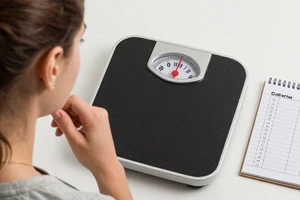
It's natural to focus on the number on the scale, but that's just one piece of the picture. Changes in body composition, energy levels, how your clothes fit, and even improvements in blood sugar or blood pressure are equally valuable markers. Some people also overlook how they feel—less joint pain, better sleep, more stable moods. Track these non-scale victories alongside your weight. They provide motivation when the scale moves slowly and give a fuller sense of your health progress.
How to Set Yourself Up for Success
Avoiding these common mistakes starts with a realistic mindset and a solid plan. Work with your prescribing clinician to understand what your medication can and cannot do. Pair it with a sustainable eating pattern—think colorful vegetables, lean proteins, whole grains, and healthy fats. Move your body in ways you enjoy, even if it's just a daily walk. And give yourself grace: weight loss is a process, not a race.
If you're considering starting a weight loss medication, or if you've already started and feel stuck, take a step back. Review these five pitfalls honestly. With the right approach, you can avoid the frustration and build habits that last far beyond the prescription.