
You might think washing your face is the simplest part of your skincare routine—splash, lather, rinse, done. But if you’re struggling with breakouts that won’t quit, the way you clean your skin could actually be fueling the fire. Acne is a complex condition driven by oil, clogged pores, bacteria, and inflammation, and how you wash—or don’t wash—your face plays a bigger role than many realize.
Below are five surprisingly common face-washing habits that can worsen acne, along with simple, skin-friendly corrections. These tips are grounded in general dermatologic guidance; always consult a board-certified dermatologist for your specific needs.
1. Using a cleanser that’s too harsh
When your skin feels squeaky-clean after washing, it’s easy to assume you’ve done a great job. But that tight, stripped sensation is a warning sign. Many cleansers formulated with high concentrations of sulfates, alcohol, or harsh detergents remove the skin’s protective barrier along with dirt and oil.
When the barrier is compromised, skin tries to compensate by producing even more oil—a perfect setup for clogged pores and new breakouts. On top of that, a damaged barrier becomes more reactive and inflamed, which can worsen existing acne lesions.
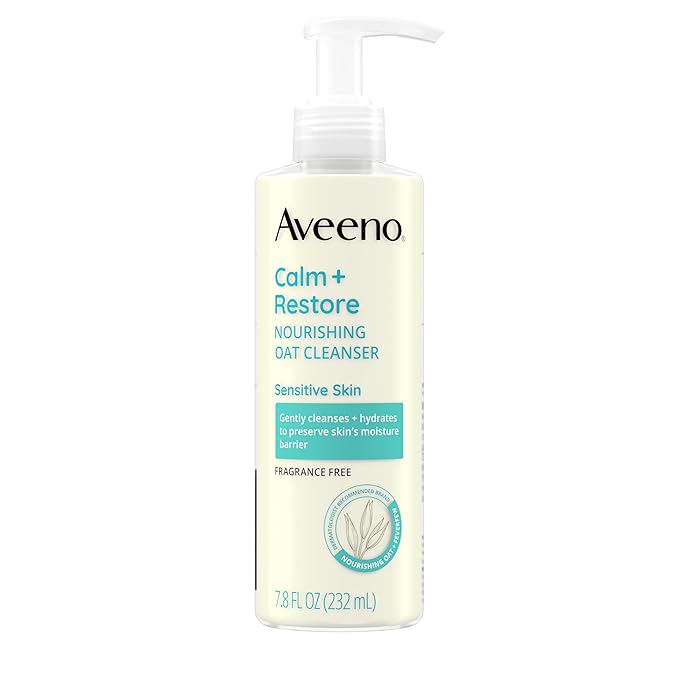
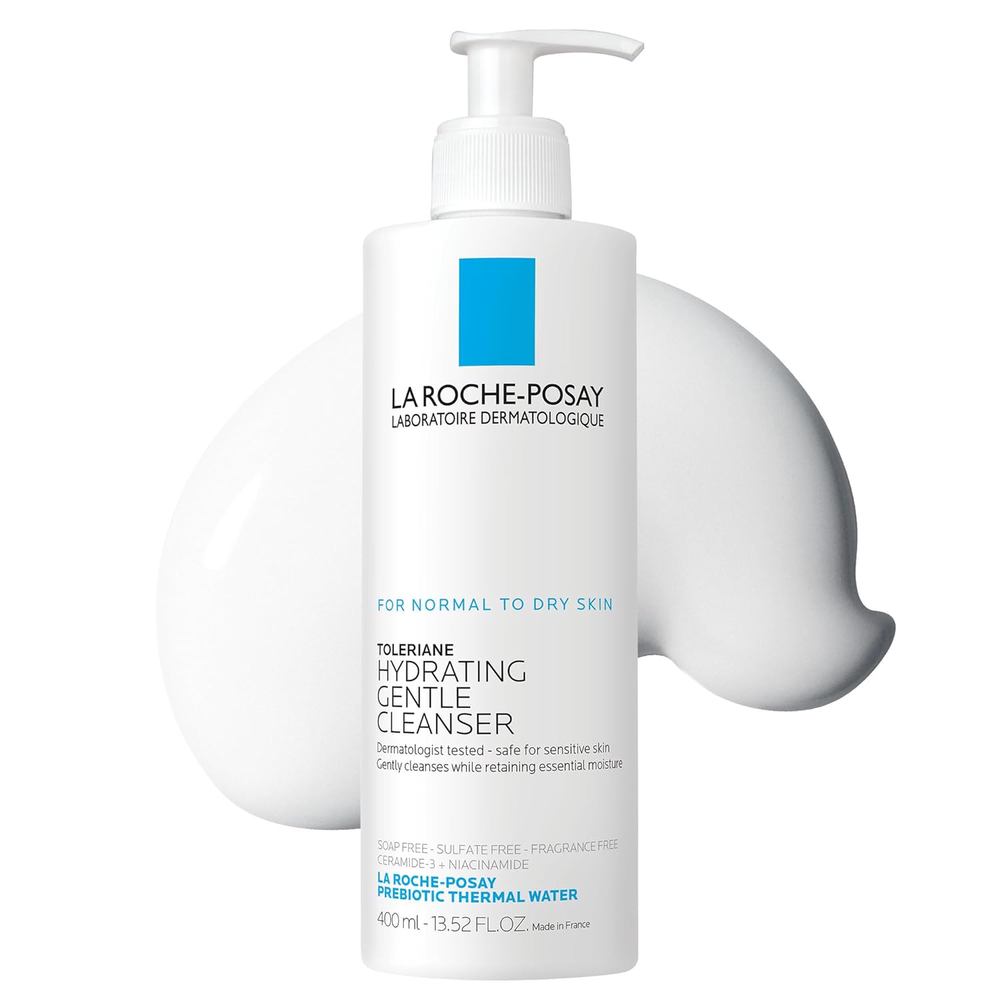
Better approach: Look for a gentle, non-foaming or mild foaming cleanser labeled “non-comedogenic.” Creamy, sulfate-free formulas that respect your skin’s pH (around 4.5–5.5) help maintain the barrier while still removing excess oil and impurities. Your face should feel clean, not tight, after rinsing.2. Over-washing or scrubbing too hard
It feels logical: if acne is caused by oil and bacteria, washing more frequently or with more force should help. In reality, washing more than twice a day—or using rough washcloths, scrubs, or brushes—irritates the skin and triggers inflammation.
Mechanical friction can rupture existing pimples, spreading bacteria and causing new breakouts. It also disrupts the skin barrier, which we now know leads to rebound oiliness and increased sensitivity. Even popular cleansing brushes can be too abrasive for acne-prone skin.
Better approach: Limit face-washing to morning and night—and after heavy sweating. Use your clean fingertips in gentle, circular motions for about 30 seconds. Rinse with lukewarm water (hot water strips oils; cold doesn’t improve pores). Pat dry with a soft, clean towel; don’t rub.3. Not washing your hands first—or not washing your face long enough
Hands carry dirt, bacteria, and sometimes leftover residue from hand creams or other products. Touching your face without washing your hands first transfers that grime directly to your pores. Also common: applying cleanser and rinsing it off in under ten seconds. Most active ingredients in acne cleansers (like salicylic acid or benzoyl peroxide) need brief contact time to work.
Better approach: Always wash your hands with soap and water for at least 20 seconds before touching your face. Then spend a full 30 to 60 seconds massaging the cleanser into your skin—especially along the jawline, nose, and hairline where buildup tends to hide. This gives ingredients a chance to gently exfoliate or reduce bacteria without being left on too long.4. Washing with water that’s too hot or too cold
Think of your skin’s barrier as a brick wall; the lipids between skin cells are the mortar. Extremely hot water melts that mortar, weakening the barrier and encouraging moisture loss. Cold water can cause blood vessels to constrict temporarily, but it doesn’t “close pores” (pores don’t have muscles), and it often fails to dissolve oil-soluble debris.
Better approach: Lukewarm water—the temperature of a comfortable bath or tepid tap water—is ideal. It helps dissolve oil without stripping the barrier. End your rinse with a quick splash of cool water if you enjoy the sensation, but don’t expect it to shrink pores or stop acne.5. Skipping moisturizer after washing
It’s a myth that acne-prone skin doesn’t need moisture. In fact, many acne treatments and even gentle cleansers temporarily reduce the skin’s water content. Without replenishing hydration, the barrier weakens, oil production kicks into overdrive, and dead skin cells don’t shed normally—a recipe for clogged pores.
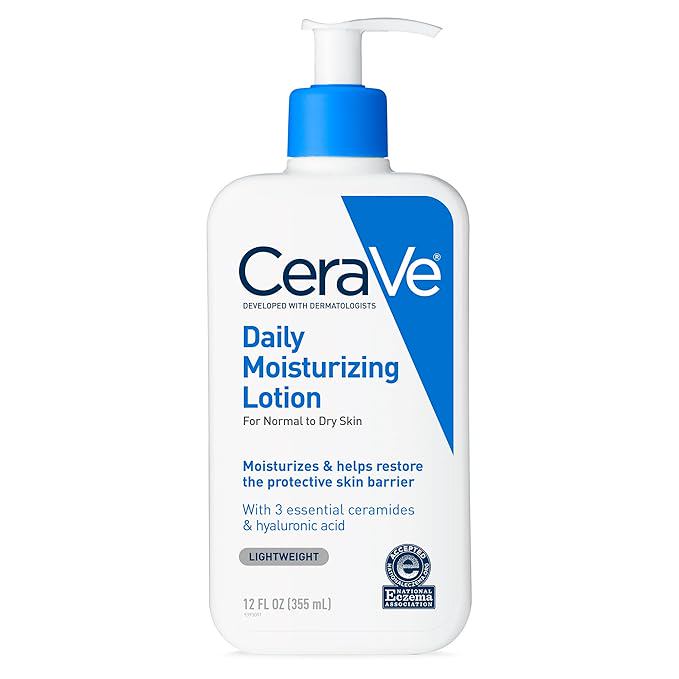
Better approach: Within 60 seconds of washing (while skin is still slightly damp), apply a lightweight, oil-free, non-comedogenic moisturizer. Gel, water-based, or lotion formulas work well for oily and acne-prone skin. Some contain additional skin-soothing ingredients like niacinamide or ceramides, but the key is consistent hydration after every wash.Breaking these habits can make a meaningful difference in how your skin looks and feels. A consistent, gentle routine respects your skin’s natural barrier and lets targeted acne treatments—whether over-the-counter or prescribed—do their job more effectively. If you’re already seeing a dermatologist, small adjustments to your washing technique can complement their recommendations. Your face doesn’t need punishment; it needs calm, consistent care.