Navigating the emotional waves of menopause can feel like trying to steady a boat in shifting seas. While hormone fluctuations are the primary driver, there’s a powerful, often overlooked ally in your corner: the food on your plate. Emerging research points to a strong link between chronic, low-grade inflammation and mood disturbances, including the anxiety, irritability, and low mood that can accompany this transition. By choosing foods that actively cool inflammation, you can create a more stable internal environment for your emotional well-being.
This isn’t about a restrictive diet or a magic bullet. It’s about gentle, strategic nourishment—selecting foods that provide your brain and body with the building blocks they need to find balance. The right nutrients can support neurotransmitter function, protect brain cells, and help modulate the body’s stress response. Let’s explore some of the most supportive anti-inflammatory foods to incorporate into your daily rhythm.
Fatty Fish: Omega-3s for Brain and Mood
Fatty fish like salmon, mackerel, sardines, and anchovies are rich in two critical types of omega-3 fatty acids: EPA and DHA. These aren’t just good for your heart; they are fundamental to brain health. DHA is a major structural component of brain cell membranes, while EPA has potent anti-inflammatory effects that can influence neurotransmitter pathways linked to mood.
During menopause, the brain can become more sensitive to inflammation and oxidative stress. Regularly consuming these fats helps build resilient brain cells and dampens the inflammatory signals that can exacerbate mood swings. Aiming for two servings per week is a common guideline for general health, and it’s a solid starting point for mood support as well.
Not a fan of fish? Algal oil supplements are a direct plant-based source of DHA and EPA.
Leafy Greens and Cruciferous Vegetables: The Antioxidant Powerhouses
Think spinach, kale, Swiss chard, broccoli, Brussels sprouts, and cauliflower. These vegetables are loaded with vitamins, minerals, fiber, and a vast array of antioxidants and phytochemicals like flavonoids and carotenoids. These compounds combat oxidative stress—a key contributor to inflammation that can affect brain tissue.
They are also rich in folate (vitamin B9), which plays a crucial role in the production of serotonin and dopamine, neurotransmitters that regulate mood. A diet high in these vegetables provides a steady stream of nutrients that help your body manage physiological stress, which is especially valuable during the hormonal shifts of menopause.
Berries: Colorful Guards Against Stress
Blueberries, strawberries, raspberries, and blackberries get their vibrant hues from anthocyanins, a type of flavonoid with strong anti-inflammatory and antioxidant properties. Studies suggest these compounds can cross the blood-brain barrier, accumulating in brain areas involved in memory and emotion, where they may help protect neurons and improve cell signaling.
The natural sweetness of berries can also satisfy sugar cravings in a way that supports, rather than spikes, your blood sugar levels. Blood sugar instability can mimic or worsen feelings of anxiety and irritability, making low-glycemic fruits like berries an excellent choice.
Fermented Foods: Cultivating Calm from the Gut Up
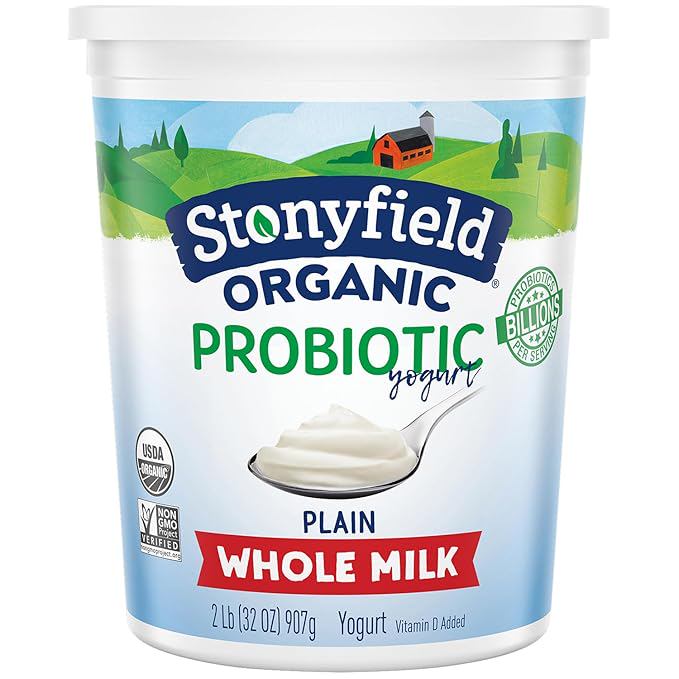
The gut-brain axis is a two-way communication network between your digestive system and your brain. The state of your gut microbiome—the trillions of bacteria living there—profoundly influences inflammation and mood. Fermented foods like yogurt (with live cultures), kefir, kimchi, sauerkraut, and kombucha introduce beneficial probiotics that help maintain a healthy, diverse gut environment.
A balanced gut microbiome helps regulate the immune system, reducing systemic inflammation. It also produces a significant portion of your body’s serotonin. Including a small serving of fermented food daily can be a simple yet profound step in supporting emotional equilibrium.
Nuts and Seeds: Mineral-Rich Snacks for Nervous System Support
Walnuts, flaxseeds, chia seeds, and pumpkin seeds are tiny nutrient powerhouses. Walnuts are one of the few plant sources rich in the omega-3 ALA. Flax and chia seeds provide fiber and lignans, which may have a mild modulating effect on estrogen activity.
Perhaps most notably for mood, many nuts and seeds are excellent sources of magnesium and zinc. Magnesium is involved in hundreds of biochemical reactions, including those that regulate the nervous system and the stress response. Zinc is a cofactor for enzymes that influence neurotransmitter function and has its own anti-inflammatory role. A small handful a day can provide steady nutritional support.
Putting It All Together on Your Plate
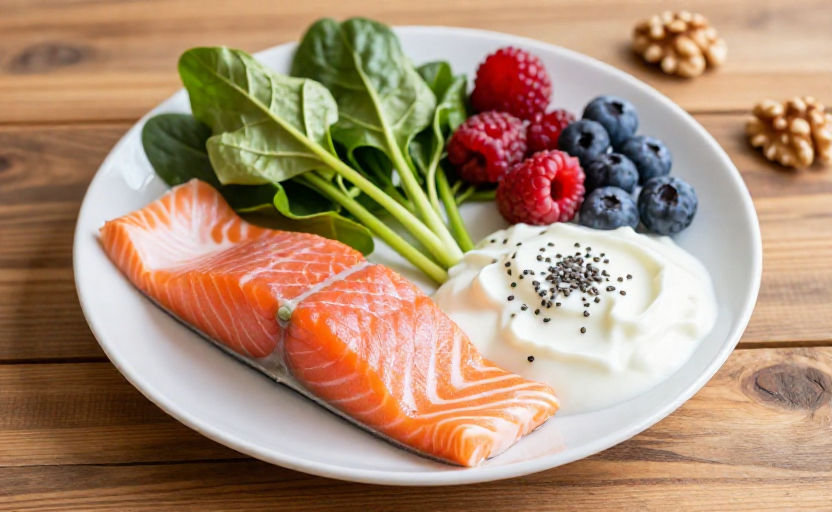
You don’t need to overhaul your diet overnight. Start by adding, not subtracting. Could you add a handful of spinach to your morning smoothie? Swap your afternoon snack for a bowl of yogurt with berries and a sprinkle of walnuts? Include a serving of salmon or a hearty lentil stew in your weekly meal plan?
The goal is a consistent pattern of eating that crowds out more inflammatory choices naturally. Pairing these foods with adequate hydration, mindful movement, and good sleep creates a synergistic foundation for weathering the menopausal transition with greater emotional resilience. Always discuss significant dietary changes with your healthcare provider, especially if you have underlying health conditions.