
Mild swelling in the feet and ankles is one of those pregnancy symptoms that seems to come with the territory. Your body is holding roughly 50% more blood and fluid to support your growing baby, and gravity tends to pull that extra volume downward. For most pregnant women, this kind of edema is uncomfortable but harmless, especially in the third trimester or on hot days.
But not all swelling is benign. Sometimes your body is sending a signal that something deeper is wrong — something that requires prompt medical evaluation. The challenge is knowing where to draw the line between normal pregnancy puffiness and a warning sign. Here are four specific signs that your swollen ankles need immediate attention.
1. The swelling is sudden and severe
If you go to bed with normal-looking ankles and wake up with legs that look like tree trunks — or if the swelling develops dramatically over just a day or two — that is not typical pregnancy edema. Normal swelling tends to come on gradually and worsens slowly as the day goes on. Sudden, rapid swelling is a hallmark of preeclampsia, a serious condition characterized by high blood pressure and organ stress.
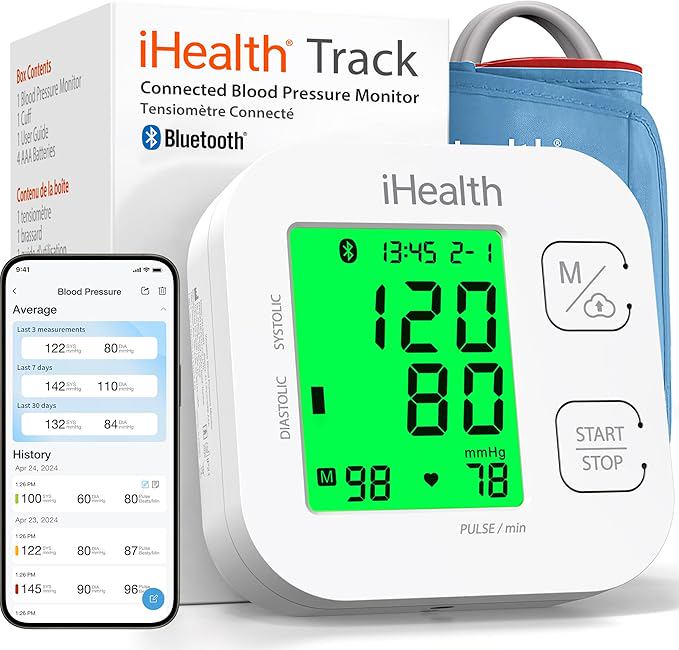
Preeclampsia affects about 5–8% of pregnancies and can develop quickly. The swelling in preeclampsia is not limited to the ankles; it often involves the hands and face as well. If you notice that your rings no longer fit, your face looks puffy in the morning, or your shoes are suddenly unwearable, check your blood pressure. Any reading of 140/90 mmHg or higher combined with sudden swelling warrants a call to your provider immediately.
2. One leg is more swollen than the other
Unilateral edema — swelling that is noticeably worse in one foot, ankle, or leg — raises the possibility of a deep vein thrombosis (DVT). Pregnancy itself increases your risk of blood clots by about fivefold due to hormonal changes that make your blood clot more easily and the pressure of the uterus on pelvic veins.
If one calf or thigh is visibly larger, feels warm to the touch, looks red or discolored, or is tender when you press on it, do not massage it, walk it off, or ignore it. A DVT can break loose and travel to your lungs, causing a pulmonary embolism — a life-threatening emergency. This is not something to watch and wait on. Go to the emergency room or call your doctor right away for same-day evaluation, which typically includes an ultrasound of the leg veins.
A quick self-check: If you can press your finger into your swollen ankle and the indentation stays for several seconds, that is called pitting edema — common in pregnancy. But if only one leg has this, pay very close attention.
3. The swelling is paired with a headache or vision changes
Swelling alone might not sound an alarm, but swelling plus a persistent headache or visual disturbances is a classic warning of preeclampsia. Women often describe the headache as a dull, throbbing pain that does not respond to normal remedies like hydration or rest. Vision changes can include seeing spots, flashing lights, blurry vision, or temporary blind spots.
The combination of these symptoms with edema suggests that the hypertension associated with preeclampsia is affecting the central nervous system. Other possible accompanying symptoms include nausea, vomiting, upper abdominal pain (especially under the right ribs), and shortness of breath. If you have any of these clusters, do not wait for a routine prenatal visit — seek care that day. Left unchecked, preeclampsia can progress to eclampsia, which involves seizures and poses risks to both mother and baby.
4. You also have shortness of breath or chest tightness
Some breathlessness in pregnancy is normal — your growing uterus pushes upward against your diaphragm, and your body needs more oxygen. But when swelling in your ankles is accompanied by sudden or worsening difficulty breathing, chest tightness, or a feeling that you cannot catch your breath even while resting, it could signal peripartum cardiomyopathy (a form of heart failure), pulmonary edema (fluid in the lungs), or a pulmonary embolism.
These conditions are rare but serious. Your heart is already working harder during pregnancy, and excess fluid can sometimes back up into the lungs rather than settling in your extremities. If you find yourself propping up extra pillows at night to breathe comfortably, feeling winded after walking a few steps, or noticing a persistent cough with frothy sputum, these are red flags that go well beyond typical pregnancy swelling. Call 911 or go to the nearest emergency department — this is not a condition to manage with rest and elevation.
What qualifies as normal pregnancy swelling?
To give you a baseline, benign pregnancy edema usually appears gradually in the second or third trimester, is symmetric (both feet and ankles are equally swollen), and tends to be worse after prolonged standing, sitting, or hot weather. It often improves when you lie on your left side (which takes pressure off the vena cava) or elevate your feet above heart level. It may come and go. This kind of swelling is uncomfortable but does not require medical treatment — just supportive measures like compression socks, hydration, and movement breaks.
What you should do right now
If you are reading this and your swollen ankles do not fit any of the four warning scenarios above, you can likely manage your symptoms at home with sensible hydration, rest, and side-lying. But if even one of these red flags sounds familiar, do not second-guess yourself. Call your OB-GYN, midwife, or local labor and delivery triage line. A simple blood pressure check and a urine test for protein can often clarify the picture in minutes. Your job is not to diagnose yourself — it is to recognize when something feels off and get a professional opinion.
When it comes to pregnancy, your instincts matter. Swollen ankles are common; ignoring what they might be telling you does not have to be.