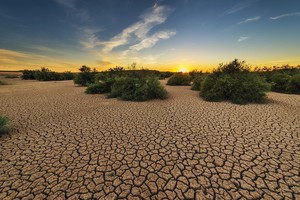
You've been diligent with your retinol, your vitamin C serum is a staple, and you haven't skipped a night of moisturizer in years. Yet, your skin looks lackluster—maybe a little crepey, a little tight, prone to sudden redness or breakouts. The natural assumption is that these are just the next chapter of aging. But there's a good chance what you're seeing isn't chronological damage at all. It's a hydration problem.
Your skin barrier—the stratum corneum, a delicate shield of lipids and cells—relies on water to function. When it gets thirsty, it mimics the look of aging: fine lines look deeper, texture turns rough, and your usual products start to sting. Here are four clear signals that your barrier is parched, not simply getting older.
1. Your Fine Lines Don't Move
True dynamic wrinkles (like crow's feet when you smile) stand out because collagen and elastin have broken down over time. But when your barrier is dehydrated, fine lines look etched in even when your face is at rest. They often appear across the forehead, around the mouth, and on the cheeks—and they soften noticeably after you apply a hydrating layer.
The quick test: Gently press a damp, cool cloth to your skin for 30 seconds, then re-evaluate. If the lines look less prominent, that's thirst, not age.
Dehydrated skin cells shrink, pulling the surface into temporary furrows. Replenishing water plumps cells back up, making those lines vanish without a single anti-aging ingredient.
2. Everything You Put On Stings or Feels Tight
If your trusted moisturizer suddenly burns, or your sunscreen makes your cheeks feel raw, your barrier has likely lost its protective lipids. A healthy barrier is slightly acidic and sealed with oils; a thirsty barrier has microscopic cracks. Products that used to be gentle now penetrate too deeply, irritating the nerve endings below.
This sensitivity is often misdiagnosed as “sensitive skin” or early rosacea, but the root cause can be simple dehydration. Your skin is not rejecting the product—it's sending an SOS because it lacks the water to buffer ingredients properly.
3. Your Pores Look Noticeable (But You're Not Oily)
Large pores are usually associated with excess oil, but when skin is dehydrated, pores can appear larger for a different reason: the surrounding tissue is shriveled, so each pore opening looks wider by contrast. Instead of a plump, smooth surface, you see tiny craters.
This is often accompanied by rough texture—a feeling like fine sandpaper on the chin and cheeks. Oily skin types can experience this too, where the surface is parched but the deep layers overproduce oil to compensate (a condition sometimes called “dehydration overproduction”).
4. Redness and Peeling Happen Without a Clear Trigger
Aging skin can thin and become more fragile, but it usually doesn't flake in patches unless there's a specific cause (like eczema or a reaction). Thirsty skin, on the other hand, often develops dry, scaly spots on the cheeks, between the eyebrows, or around the nose. It may also look persistently red or flushed, even without wind, heat, or spicy food.
This happens because a dehydrated barrier cannot regulate inflammation. It's like a cracked windshield: every little gust of wind (or change in humidity, or a hot shower) creates a bigger reaction. Once you restore moisture, the redness and flaking calm down dramatically.
What to Do About It
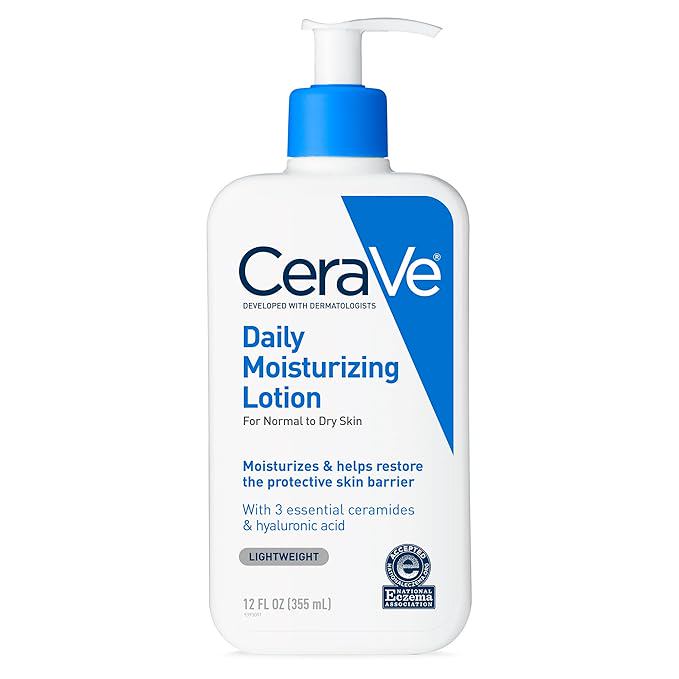
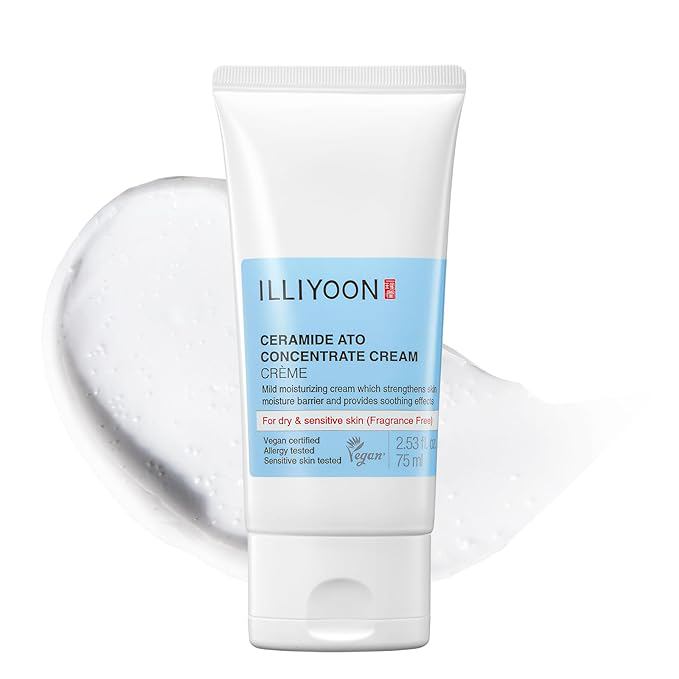
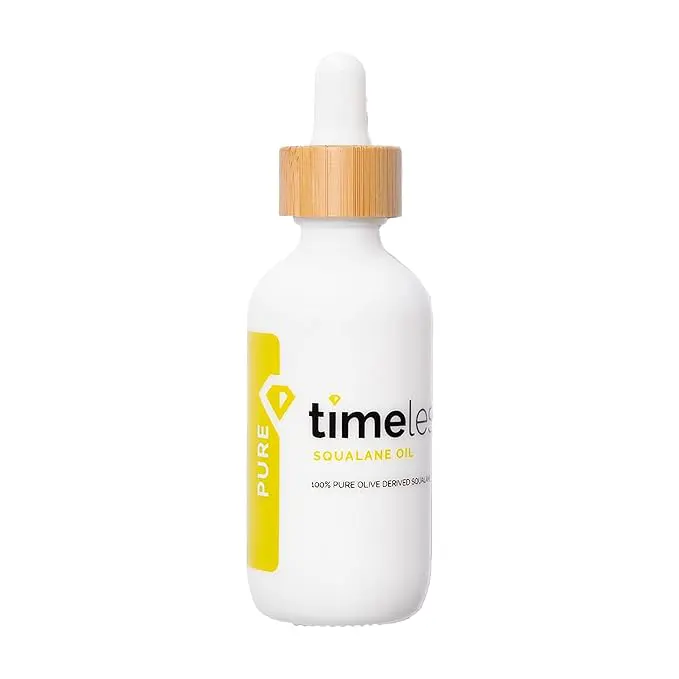
If these signs sound familiar, the fix is not a heavy cream or a stronger active ingredient. It's a return to basics. Look for products with humectants (glycerin, hyaluronic acid, aloe) that pull water into the skin, followed by gentle occlusives (squalane, shea butter, ceramides) to seal it in. Skip stripping cleansers and avoid exfoliating acids for a few days. Drink water, yes—but topical hydration is the fastest way to plump a thirsty barrier back to health.
When you treat dehydration correctly, you'll often find that many “aging” concerns soften or disappear. Your skin wasn't getting older overnight—it was just parched.