
You’re with your partner, things are heating up, and you’re both ready to go. But when you get to the moment, you notice you aren’t as wet as you expected. Without a personal lubricant on hand, you might reach for the most obvious substitute: your own saliva. It seems harmless enough—after all, it’s your own body, right?
Many people rely on saliva as a quick fix for dryness during sex, but this common habit can actually do more harm than good. Your perception of what’s “safe” or “natural” in the bedroom may be leading you to choices that disrupt your vaginal health. Here are four warning signs that your self-perception around moisture and lubrication might be putting you at risk.
You think saliva is a safe lubricant
It’s easy to assume that because saliva is a natural bodily fluid, it’s a fine stand-in for lubricant. Yet your mouth and your vagina host entirely different ecosystems of bacteria. When saliva enters the vaginal canal, it introduces microbes that can upset the delicate balance of your vaginal microbiome. This disruption can make you more vulnerable to infections like bacterial vaginosis (BV).
Dr. Niveditha Manokaran, a sexual health educator known on Instagram as dr_nive_untaboos, warns that saliva does not work well as a lubricant anyway. It dries out quickly and lacks the pH and consistency needed for comfortable, safe intimacy. Relying on it because it “feels natural” is a sign that your perception of safe sex needs an update.
You assume oral sex is low-risk for STIs
Another perception that can affect your choices is the belief that sexually transmitted infections (STIs) are only a concern during penetrative intercourse. Many people don’t realize that infections can be transmitted through saliva and oral-genital contact. Dr. Manokaran notes that gonorrhea, chlamydia, HPV, syphilis, and trichomoniasis can all be passed this way.
Genital herpes is one of the most commonly contracted infections through oral sex, sometimes appearing as visible blisters or sores, but often presenting with no symptoms at all. If you are not using protection for oral sex—such as condoms or dental dams—you are taking a real risk, regardless of how “clean” you or your partner may seem. Thinking oral sex is automatically safe is a warning sign that your self-perception may be leading you to overlook essential precautions.
You skip STI testing because you “only” have oral sex
If you’ve ever avoided getting tested because you don’t have penetrative intercourse, it’s time to reconsider. STIs do not discriminate by type of sex. Testing is just as important if you engage in oral sex as it is for vaginal or anal sex. Your decision to skip the clinic because it “doesn’t apply to you” reflects a gap between what you think is safe and what the science actually says.
Quick tip: Routine sexual health checkups should cover oral, vaginal, and anal exposure. Be honest with your provider about all types of sexual activity so they can test appropriately.
You choose convenience over preparation
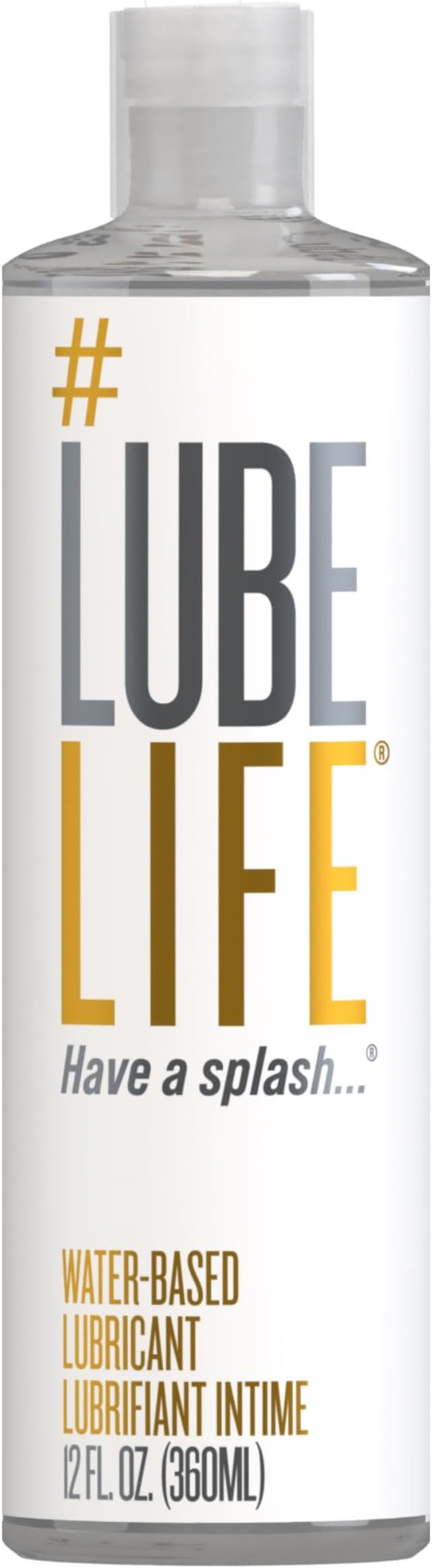
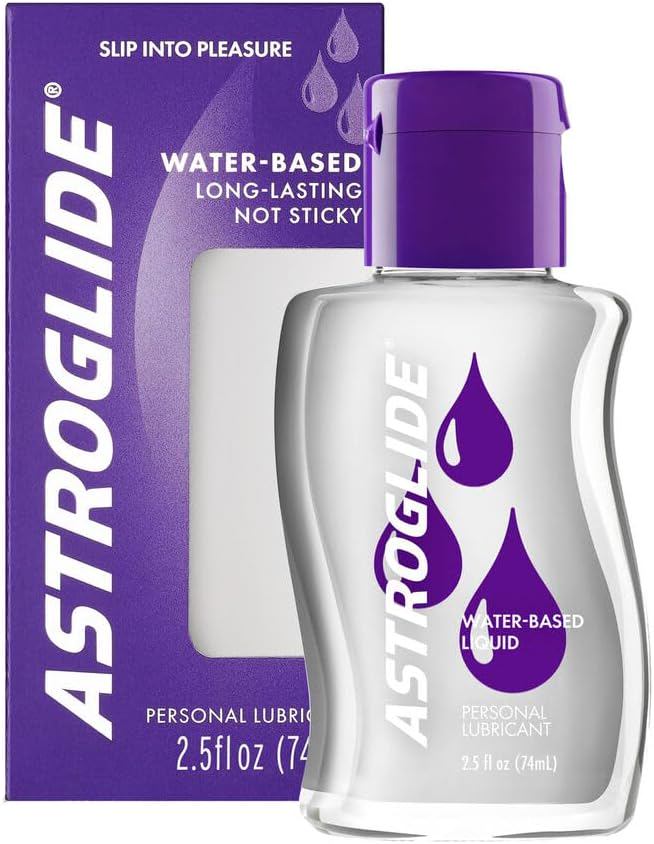
Your self-perception about moisture often shows up in your level of preparation. If you find yourself frequently reaching for saliva because you didn’t plan ahead with a proper lubricant, that is a telling sign. Staying prepared with a water-based or silicone-based lubricant is a simple way to protect your vaginal health and enhance comfort. It also removes the guesswork from the moment. A quick check-in with yourself before intimacy—Do I have what I need to make this safe and pleasurable?—can shift your habits from reactive to proactive.
How to shift your perspective for better vaginal health
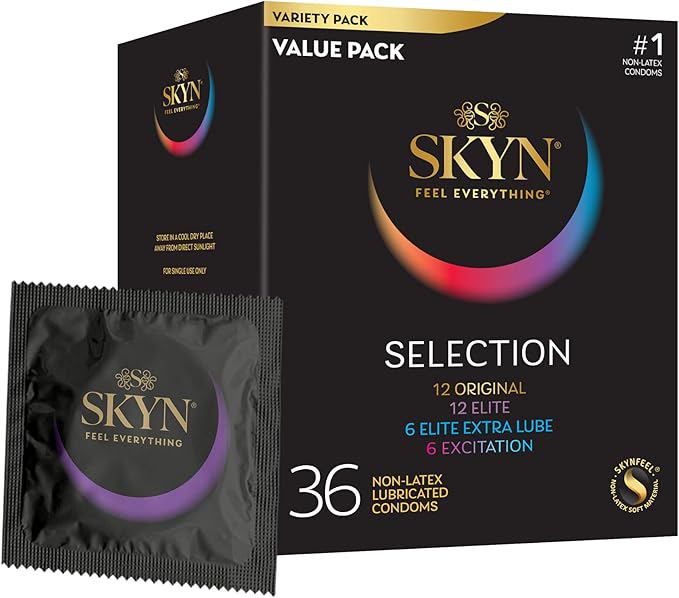
The first step is recognizing that natural does not automatically mean safe when it comes to lubricants. Saliva may come from your body, but it belongs in your mouth, not your vagina. The second step is to normalize using protection for oral sex. Condoms and dental dams are effective barriers against the transmission of infections during oral contact. They are easy to find and simple to use once they become part of your routine.
Finally, get tested regularly—even if you feel fine and even if you only have oral sex. Knowing your status protects you and your partner(s). Changing how you perceive your own moisture needs and sexual safety is not about shame; it is about being informed and empowered. When you replace assumptions with facts, you make choices that support your body and your pleasure.