That moment when a period craving hits—sudden, intense, and almost impossible to ignore—feels like your body has taken over. You might reach for chocolate, chips, or a sugary latte, assuming it's just another hormonal quirk. But what if those cravings are actually a signal that your blood sugar has taken a nosedive?
For many women, the link between PMS cravings and low blood sugar (hypoglycemia) goes undetected. When estrogen and progesterone shift in the days before your period, they can affect how your body handles insulin and glucose. The result: your energy dips, your mood swings, and your brain sends out an urgent plea for quick fuel. Recognizing the pattern can help you manage symptoms without the rollercoaster.
What does a blood-sugar crash feel like during PMS?
Low blood sugar doesn't always look like a dramatic faint scene from a movie. During the luteal phase (the week or so before your period), it can show up in subtler ways that many women mistake for typical PMS. Here are four warning signs that your cravings might stem from dropping glucose levels rather than just your hormones acting up.
1. Sudden, intense cravings for sugar or carbs
If you find yourself scavenging for candy, pastries, or pasta with an almost urgent desperation, that's a classic sign. When blood sugar dips, your body craves quick-release energy. The difference between a passing desire for something sweet and a low-blood-sugar-driven craving is the intensity and the inability to focus on anything else until you get it. This often hits hardest in the late afternoon or evening, when your energy reserves are already low.
2. Irritability that flares up fast
You go from calm to snapping at a partner or coworker in seconds, and it feels disproportionate to whatever happened. This isn't just typical PMS moodiness; it's often called being "hangry." When glucose can't reach your brain efficiently, your emotional regulation suffers. If your irritability tends to fade within 15–20 minutes of eating something (especially something with protein or complex carbs), low blood sugar is a likely culprit.
3. Shakiness or dizziness between meals
A subtle tremor in your hands, a feeling of wobbliness when you stand up, or a lightheaded sensation that comes on before lunch or dinner—these are physical hints that your blood sugar may be running low. During PMS, your body's insulin sensitivity changes, making some women more prone to these drops. If you notice this pattern primarily in the week before your period, it's worth paying attention to.
4. Fatigue that feels like a sudden energy drain
Normal period fatigue tends to build gradually. A blood-sugar-related energy crash is more like someone unplugged you. You might feel fine one moment and then, an hour later, struggle to keep your eyes open at your desk. This kind of slump often improves after you eat a balanced snack, but if you grab something sugary, the energy spike is usually followed by another crash within an hour or two.
Why does low blood sugar happen during PMS?
Estrogen and progesterone influence how your cells respond to insulin, the hormone that ushers glucose out of your bloodstream and into your cells for energy. In the days leading up to your period, progesterone rises. For some women, this makes their cells less sensitive to insulin, which can cause blood sugar to dip more easily—especially if meals are skipped or are heavy on refined carbs.
How to break the cycle without fighting your hormones
The goal isn't to eliminate cravings entirely—that's unrealistic—but to stabilize your blood sugar so the cravings aren't so intense. A few practical shifts can make a real difference:
- Eat every three to four hours. Keeping small, balanced meals or snacks spaced out prevents the big dips that trigger urgent cravings. Think protein, fiber, and a little healthy fat at each mini-meal.
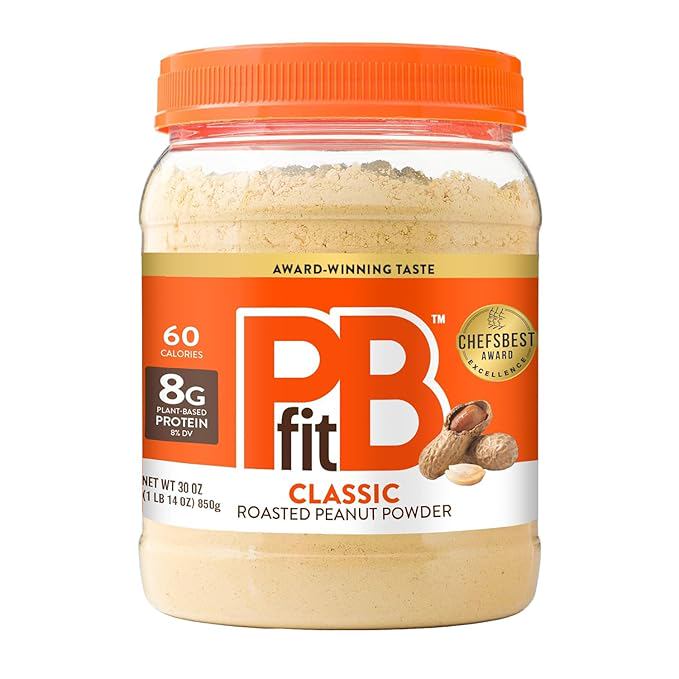
- Start your day with protein. A breakfast like eggs, Greek yogurt, or a smoothie with protein powder sets a steadier glucose pattern than toast or cereal alone.
- Choose complex carbs over simple ones. Swap white bread for whole grains, and opt for an apple with nut butter instead of a bag of gummy candies. The fiber slows digestion and blunts blood sugar spikes and crashes.
- Don't ignore the first craving. If you wait too long, the intensity builds. A small, balanced snack—like a handful of almonds and a piece of fruit—can head off a full-blown episode.
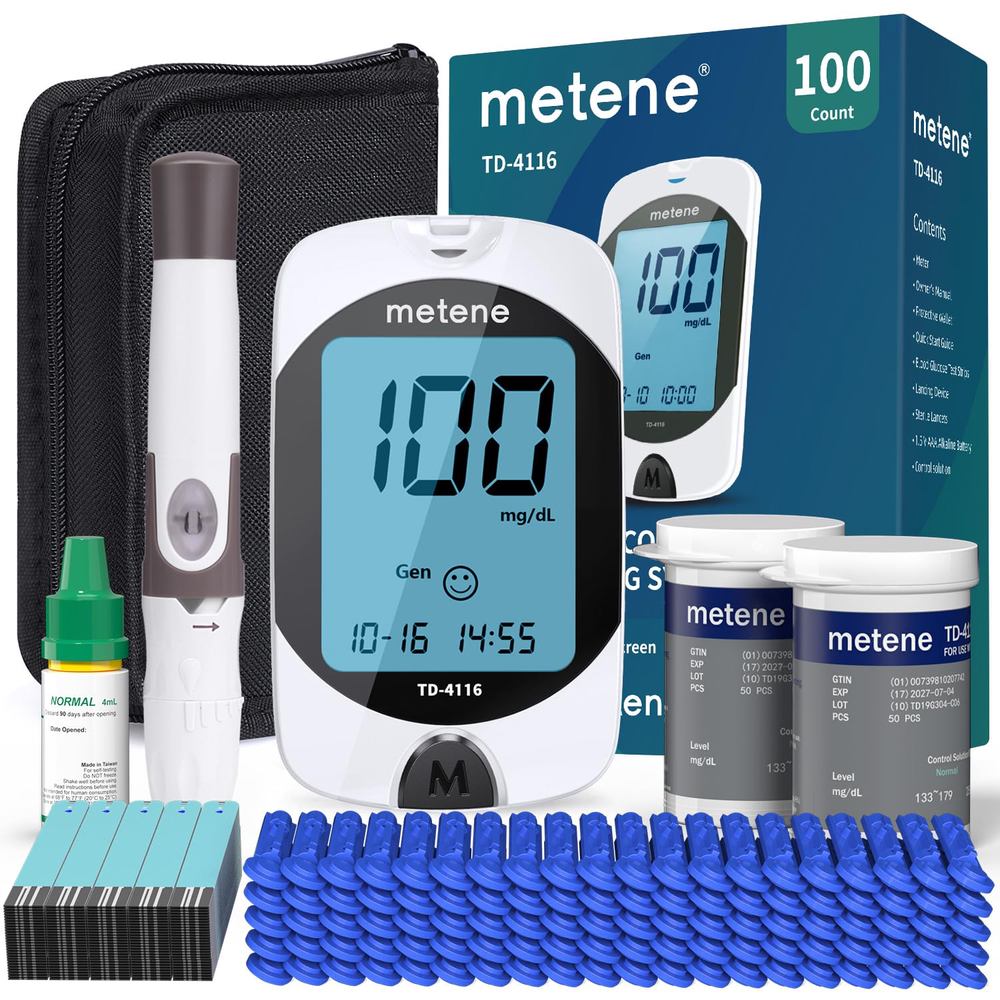
A quick note: If your cravings are accompanied by severe fatigue, blurry vision, or episodes of confusion, it's wise to check in with a healthcare provider. These can be signs of a more significant blood sugar regulation issue, such as prediabetes or reactive hypoglycemia.
Listen to what your body is really asking for
PMS cravings aren't a character flaw or a lack of willpower. They're a message. When you start noticing the pattern—the shakiness, the hanger, the sudden sugar obsession—you can respond with fuel that actually supports your body instead of feeding the cycle. Paying attention to these four warning signs gives you a chance to feel more in control, even when your hormones have other plans.
This article is for educational purposes only and does not constitute medical advice. If you have concerns about blood sugar levels or menstrual health, consult a qualified healthcare professional.