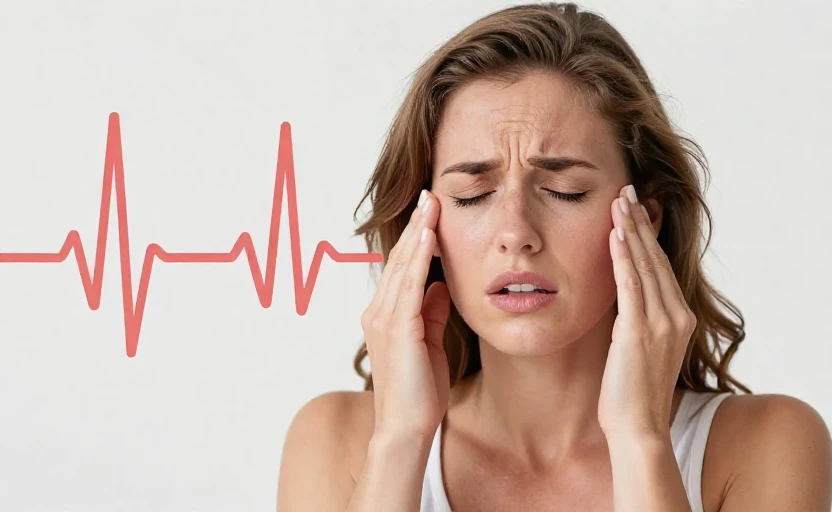
For many women, hot flashes are the most recognizable hallmark of menopause—a sudden wave of heat, flushing, and sweating that can feel all-consuming. While often chalked up to a normal, if uncomfortable, part of the transition, emerging research suggests we should pay closer attention to these episodes. They aren't just a surface-level nuisance; they can be a window into what's happening beneath the skin, particularly concerning the cardiovascular system.
The link between vasomotor symptoms (the clinical term for hot flashes and night sweats) and heart health is becoming clearer. Frequent or severe episodes may signal vascular changes that warrant a conversation with your healthcare provider. Let's explore four specific warning signs that your hot flashes might be pointing to a deeper impact on your heart.
1. Your Hot Flashes Are Frequent and Severe, Especially at Night
It's one thing to experience an occasional warm flush. It's another to navigate multiple intense episodes daily, particularly those that wrench you from sleep. Severity and frequency matter. Research, including studies from the American Heart Association, indicates that women who experience frequent or severe hot flashes, especially during the night (night sweats), tend to have poorer measures of vascular health.
These episodes are a sign of dysregulation in the body's thermoregulatory center, governed by the hypothalamus. This same system interacts closely with blood pressure and heart rate control. When hot flashes are intense, they represent a significant stress on the system—a sudden dilation of blood vessels and a spike in heart rate. Over time, this repeated stress may contribute to wear and tear on blood vessels, a known risk factor for cardiovascular issues.
Night sweats that consistently disrupt sleep are more than a fatigue issue; they are a pronounced cardiovascular stressor.
2. You Notice Palpitations or a Racing Heart During Episodes
Pay attention to what happens in your chest when a hot flash begins. Do you feel your heart skip, flutter, or pound noticeably? This sensation of palpitations or a rapid heart rate (tachycardia) accompanying a hot flash is a direct sign of the cardiovascular system being engaged.
During a hot flash, the body attempts to cool itself by dilating blood vessels near the skin's surface—a process called vasodilation. To maintain blood pressure as vessels widen, the heart must work harder, often beating faster and more forcefully. While this is a normal physiological response, pronounced or alarming palpitations are your body's way of highlighting the significant workload being placed on your heart during these events. It's a tangible signal worth mentioning to your doctor.
3. Your Hot Flashes Started Early or Are Very Prolonged
The timing and duration of your symptoms tell a story. Women who begin experiencing hot flashes early in the menopausal transition—or even in perimenopause—may face a different cardiovascular risk profile. Similarly, having hot flashes that persist for many years, rather than subsiding after the typical few years, is associated with a less favorable cardiovascular outlook.
This prolonged exposure to the vascular instability of hot flashes is thought to have a cumulative effect. Think of it not as a single event, but as a pattern over time. Early or enduring symptoms suggest your system is experiencing this form of stress over a longer timeline, which some studies correlate with a greater likelihood of developing hypertension or other heart-related conditions.
4. You Feel Dizzy or Lightheaded When a Hot Flash Strikes
A hot flash that brings a wave of dizziness or lightheadedness is a more urgent warning sign. This sensation often points to a more dramatic drop in blood pressure following the initial vasodilation, or an inadequate compensatory response from the heart.
When blood pools in the dilated vessels at the skin, it can temporarily reduce the amount of blood returning to the heart and subsequently being pumped to the brain. This dip in cerebral perfusion is what causes that unsteady, faint feeling. It indicates that the body's usual balancing act during a hot flash is less stable, highlighting a more significant impact on your circulatory function.
What This Means for Your Health Journey
Noticing these signs doesn't mean a heart problem is inevitable. Instead, it means your symptoms are valuable data. They are your body's cues that the menopausal transition is affecting your vascular system in ways that deserve proactive management.
The goal is informed awareness, not alarm. Bringing these observations to a healthcare appointment allows for a more complete picture of your health. Your provider might discuss:
- Monitoring Baseline Numbers: Keeping a closer eye on blood pressure and cholesterol levels.
- Lifestyle as Foundation: The profound importance of heart-healthy habits—consistent movement, a nutrient-rich diet focused on plants and lean proteins, stress-reduction techniques, and prioritizing sleep hygiene—becomes even more critical.
- Understanding Options: For some women, menopausal hormone therapy (MHT) may be appropriate and can effectively treat severe vasomotor symptoms. The decision is individual and must be made with a doctor, weighing potential cardiovascular benefits and risks based on your personal health history.
Your hot flashes are more than just a temperature glitch. They are a messenger. By understanding the signs that point to a greater cardiovascular impact, you empower yourself to have more meaningful conversations about your long-term well-being and take steps that support both your present comfort and your future heart health.