Managing diabetes often feels like a delicate balancing act. You take your medication as prescribed, you watch what you eat, and you try to stay active—yet sometimes your blood sugar still doesn't cooperate. If you've noticed that your glucose levels spike before your next dose is due, it's possible your medication may be wearing off sooner than it should.
This isn't always a sign of failure on your part. It can happen for several reasons: your body's needs may have changed over time, your current medication might no longer match your lifestyle, or the dosing schedule itself could be out of sync with your daily rhythms. Recognizing the specific warning signs that your diabetes medication is wearing off too soon is the first step toward regaining stable control.
What does it mean for medication to wear off too soon?
Most diabetes medications are designed to work for a certain duration—some last 12 hours, others up to 24 hours or more. But when blood sugar rises noticeably before the next scheduled dose, the drug's effective coverage may be ending early. This can lead to predictable highs that feel like a pattern, not a random fluctuation.
Key point: The goal is to keep blood sugar in your target range throughout the day and night. If you experience consistent highs before your next dose, the medication's duration may not match your needs.
1. Recurring high blood sugar before your next dose
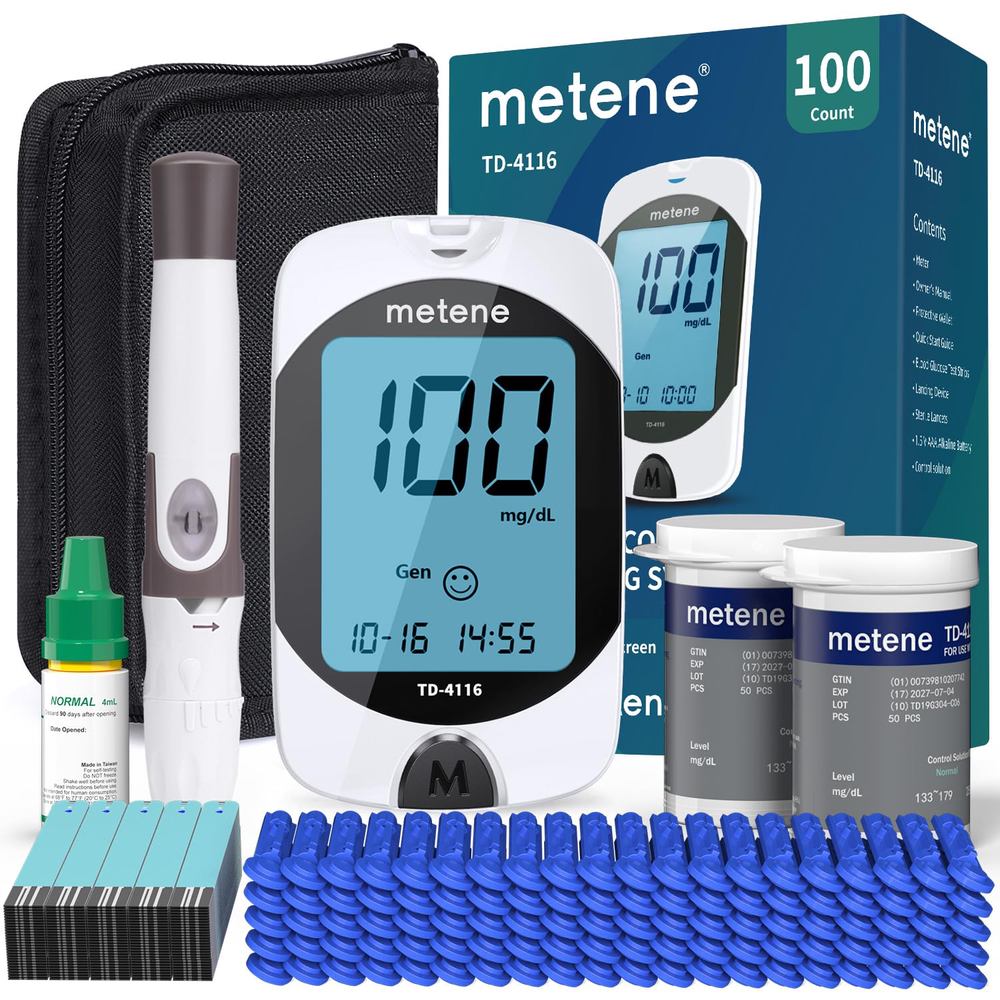
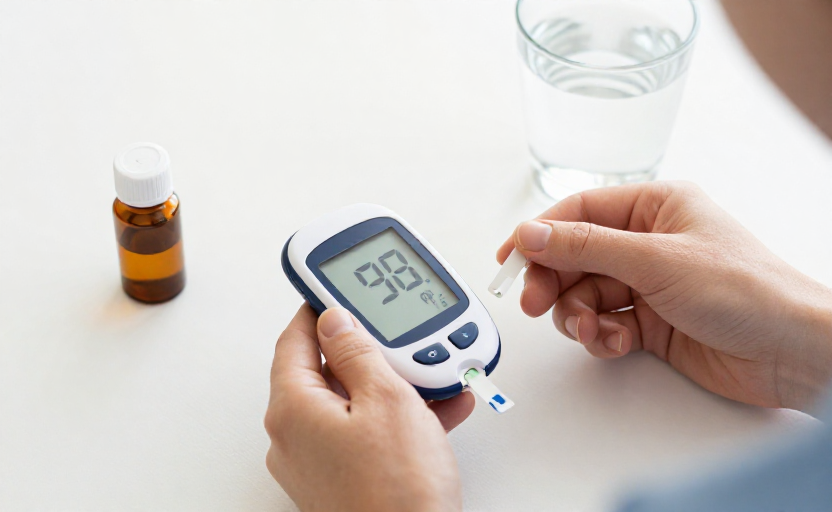
The most direct signal is a blood sugar reading that climbs in the hours just before your next scheduled medication. For example, if you take a long-acting insulin or oral medication in the morning, but your evening readings are consistently elevated, the drug's effect may be fading too early. The same may hold true if you take medication at night and see high fasting numbers in the morning.
This can be especially frustrating because you may feel you're doing everything right—correct doses, proper meals, regular activity—yet the numbers still drift upward. Tracking patterns over several days gives you solid data to discuss with your healthcare provider.
Tip: Keep a log with specific times: when you take your medication, when you eat meals, and when you test your blood sugar. Patterns become much clearer with a written record.
2. Unexpected hunger or cravings between meals
Not everyone realizes that unstable blood sugar directly influences appetite. When a diabetes medication wears off too soon, blood sugar can drop or spike in unpredictable ways. Your body may respond by signaling hunger—particularly for carbohydrates—even if you ate recently.
Scientists talk about a phenomenon sometimes called the “blood sugar roller coaster.” When glucose levels rapidly decline or shift erratically, the body releases hormones that trigger cravings for quick energy sources like sweets or starches. If you find yourself suddenly ravenous two to three hours after a balanced meal, and it happens around the same time each day, consider whether your medication's coverage might be fading.
3. Noticeable fatigue, shakiness, or irritability before dose time
Feeling unusually tired, shaky, or easily irritated in the window just before your next dose can be another clue. These symptoms may be linked to either high or low blood sugar, depending on your medication and how your body responds when coverage begins to decrease.
For example, some oral medications stimulate the pancreas to release more insulin. When this effect wanes prematurely, blood sugar can start rising, which may cause sluggishness, brain fog, or a general sense of unwellness. On the flip side, if your medication tends to drop glucose levels aggressively toward the end of its action, you could experience low blood sugar symptoms such as shakiness, sweating, or irritability. Both scenarios are worth investigating.
Important: Never adjust your medication dose or timing on your own. If you suspect your medication is wearing off too soon, share your observations and logbook data with your doctor or diabetes educator.
4. Needing to snack at night to manage lows or highs
If you frequently wake up in the middle of the night feeling either shaky (possible low) or thirsty and restless (possible high), it may indicate that your medication's coverage doesn't last through the night. This is especially common with medications that have shorter active durations.
Some people start eating a small bedtime snack to prevent low blood sugar overnight. While that can be a legitimate strategy, if you find it's becoming a nightly requirement just to stay stable until morning, it could mean the medication's effects aren't lasting long enough to cover the full night's fast. A change in medication type, dose timing, or a switch to a longer-acting option might provide more consistent control.
What to do if you notice these signs
First, don't panic. Many people experience one or more of these signs at some point during their diabetes journey. The most productive step is to gather information:
- Check your blood sugar at different times of day—not just before meals. Test in the hours after a meal and again right before your next dose is due.
- Watch for patterns over 3–5 days. A single high reading isn't a pattern; repeated highs at the same time of day are a stronger signal.
- Note any symptoms—hunger, fatigue, shakiness, irritability—and write down when they occur relative to your medication schedule.
Then bring this information to your healthcare provider. They may adjust your current medication's dose, split it into two smaller doses, switch you to a longer-acting version, or recommend a different class of medication altogether.
Remember: Your treatment plan should fit your life, not the other way around. Changes to medication are common and often necessary as your body's insulin sensitivity and overall health evolve over time.
Staying steady is the goal
Consistency is the foundation of good diabetes management. When your medication covers its intended duration reliably, you'll likely notice fewer unexpected highs and lows, steadier energy, and less stress around meal times and dose schedules. If you recognize any of the four warning signs above—recurring highs before the next dose, unexpected hunger, fatigue or mood changes, and nighttime instability—it's a clear signal that your current plan may need a tune-up.
You are not stuck with a plan that doesn't work. Modern diabetes care offers several ways to extend coverage, fine-tune dosing, or combine medications to better match your daily rhythm. The first step is always awareness—and now you know exactly what to look for.