You apply your antioxidant serum every morning. You’ve read the claims: brighter skin, fewer fine lines, a shield against pollution and UV damage. But what if that little bottle isn’t pulling its weight? Antioxidants are delicate by nature. They degrade with light, air, and time. And when they lose potency, your skin is the first to notice.
Here are four clear signs that your antioxidant serum may no longer be protecting your skin as it should — and what you can do about it.
1. Your complexion looks dull, not glowy
One of the most immediate benefits of a well-formulated antioxidant serum — especially one with vitamin C — is a visible brightness. When that serum is fresh and active, it helps inhibit melanin production and reflects light off a smoother surface. If your skin starts looking sallow, tired, or just meh after a few weeks of use, your serum may have oxidized before you finished the bottle.
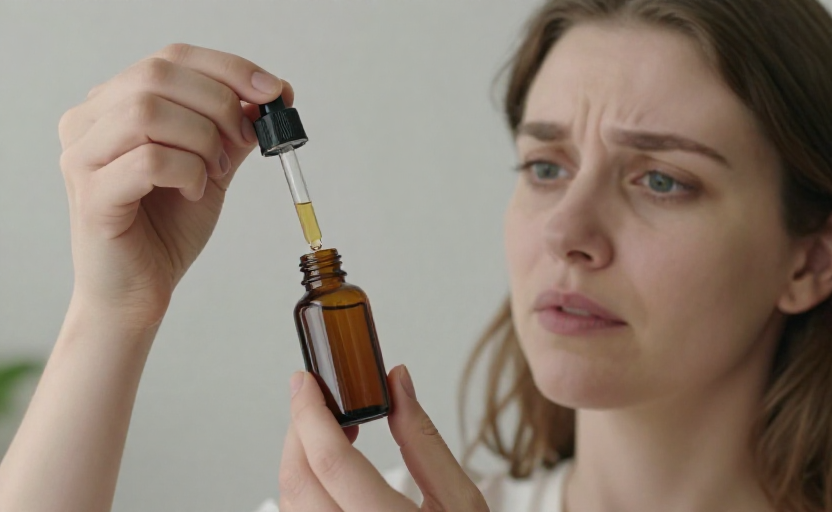
The typical culprit is a change in the formula. Vitamin C, for instance, turns from clear to yellow to amber as it degrades. By the time it’s dark brown, it’s not doing you many favors. If you’re still swiping on a liquid that’s darkened significantly since purchase, you’re likely layering a pro-oxidant — a substance that can actually generate free radicals — onto your face.
2. Your skin stings or feels irritated out of nowhere
A well-formulated antioxidant serum should feel comfortable, even on slightly sensitive skin. If that same serum starts to sting, tingle, or leave a red patch after application — especially if you’ve used it for weeks with no issue — the pH has likely shifted. Degraded antioxidants break down into acidic byproducts that can disrupt your skin’s delicate barrier.
This is especially common with serums that use L-ascorbic acid (the gold-standard form of vitamin C) at low pH for optimal stability and absorption. Once the molecule breaks down, the pH can drop further, turning a once-gentle formula into an irritant. Don’t ignore the tingle — your skin is telling you the formula has changed.
3. You’re suddenly breaking out in new places
Breakouts can happen for a thousand reasons, but if your skin was clear before you started a new serum — or if it stayed clear until the bottle was half-empty — the problem might be the product, not your pores. Oxidized oils in some antioxidant blends can become comedogenic, meaning they clog pores. Even a formula that originally balanced your skin can flip to pore-clogging once its ingredients degrade.
A quick sniff test can help. If your serum smells like crayons, old oil, or has a metallic tinge that’s new, the fatty acids in the formula may have turned rancid. Rancid oils are a known trigger for congestion and inflammatory breakouts.
4. Discoloration or dark spots aren’t fading
Antioxidants help prevent new hyperpigmentation by intercepting free radicals before they trigger melanin production. They also, over time, help fade existing dark spots. If you’ve been faithful with your morning routine for three months and you’re not seeing any improvement in sun spots or post-acne marks, the serum may have lost its activity long ago.
Another red flag: you notice new dark spots appearing despite daily use. When an antioxidant serum is effective, it slows down that cycle. If you’re still seeing new pigmentation, the shield is broken. The molecules that should be neutralizing environmental stress are simply sitting on top of your skin, doing nothing.
What you can do about it
- Check the color and smell before each application. If it’s darker, thicker, or smells different from when you opened it, toss it.
- Store it properly. Air, heat, and light kill antioxidants. Keep your serum in a cool, dark cabinet — not on a sunny bathroom windowsill. Some formulas come in opaque or airless pump bottles for a reason.
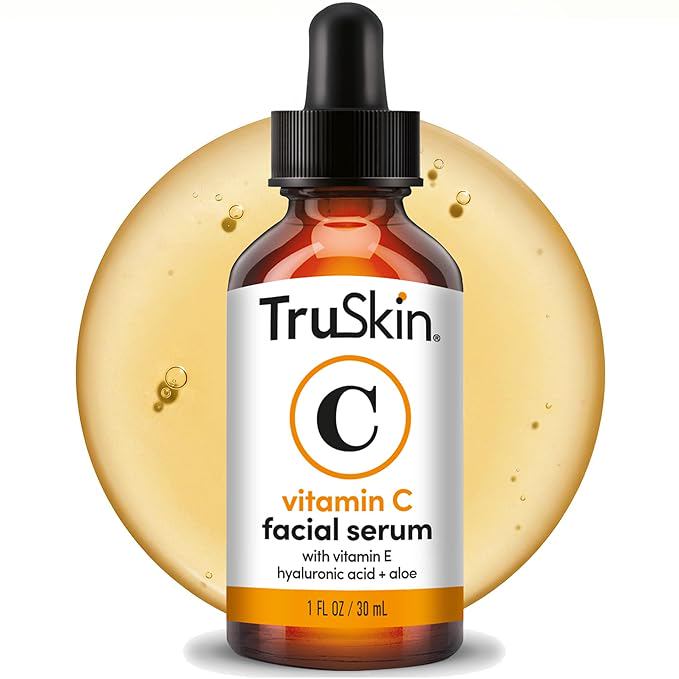
- Buy smaller bottles. A 30 ml (1 oz) bottle typically lasts about three months with once-daily use. That’s the right time frame for most vitamin C and ferulic acid blends. Larger bottles often go bad before you reach the bottom.
- Look for stabilized forms. If L-ascorbic acid is the active ingredient, check for a packaging that protects it from light and air. If your skin can tolerate it, formulations with vitamin E and ferulic acid help stabilize the vitamin C and extend its shelf life.
- Don’t rely on preservatives alone. No preservative can reverse molecular degradation once the antioxidants have been exposed to oxygen. If the bottle is transparent or lacks a pump, consider it a shorter-term product.
Your antioxidant serum is an investment in your skin’s future — but only when it’s still active. When you see your complexion slide backward in brightness, feel a new sting, notice odd breakouts, or realize dark spots aren’t fading, listen. It’s time to replace that bottle.