
You might already know that stress can show up on your skin. But here’s what’s less obvious: the everyday habits you reach for when you’re overwhelmed could be directly fueling breakouts. It’s not just about feeling frazzled—it’s about what you do in response. And for anyone prone to acne, those automatic stress reactions can turn a manageable complexion into a frustrating cycle.
The link between stress and acne is real. Your body releases cortisol and androgens under pressure, which signals your sebaceous glands to produce more oil. That oil, combined with dead skin cells and bacteria, clogs pores. But the habits below are the hidden accelerants. Let’s walk through four common stress-triggered behaviors that can worsen acne—and what to do instead.
1. Mindless face-touching and picking
When you’re stressed, your hands seem to find your face. You rest your chin in your palm while reading, pick at a tiny bump during a tense call, or scratch an itch without thinking. This is called acne excoriée—picking at skin that creates inflammation, scabs, and longer healing times. Each touch transfers oil, dirt, and bacteria onto your skin. And picking turns a small whitehead into a red, swollen spot that can scar.
The swap: Keep your hands busy with a fidget object, a stress ball, or even a smooth stone. Apply a pimple patch to a noticeable spot—it creates a physical barrier that reminds you not to touch.
2. Skipping or rushing your skincare routine
Stress kills routines. You come home exhausted, skip washing your face, or just use a makeup wipe and call it done. Maybe you fall asleep in your makeup. On the flip side, some people over-wash or use harsh scrubs trying to “fix” a breakout faster. Both extremes disrupt your skin barrier. A compromised barrier loses moisture, becomes irritated, and can’t defend against acne-causing bacteria effectively.
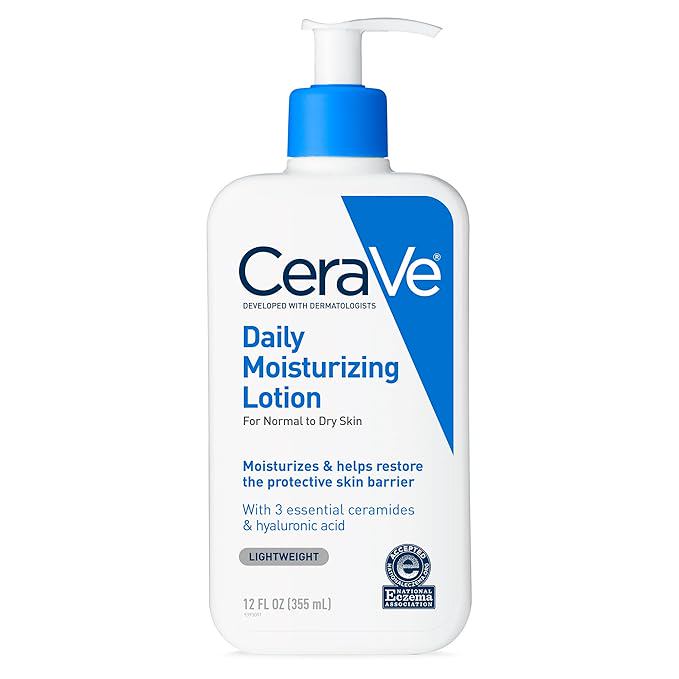
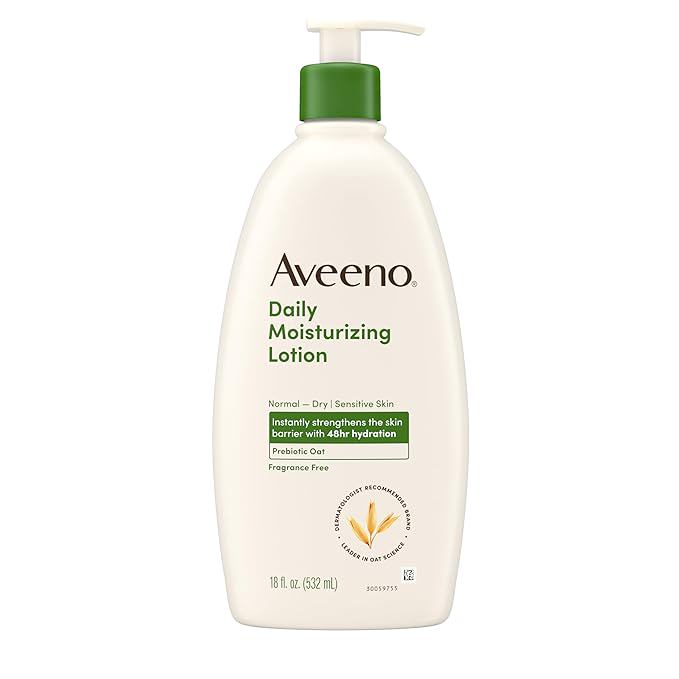
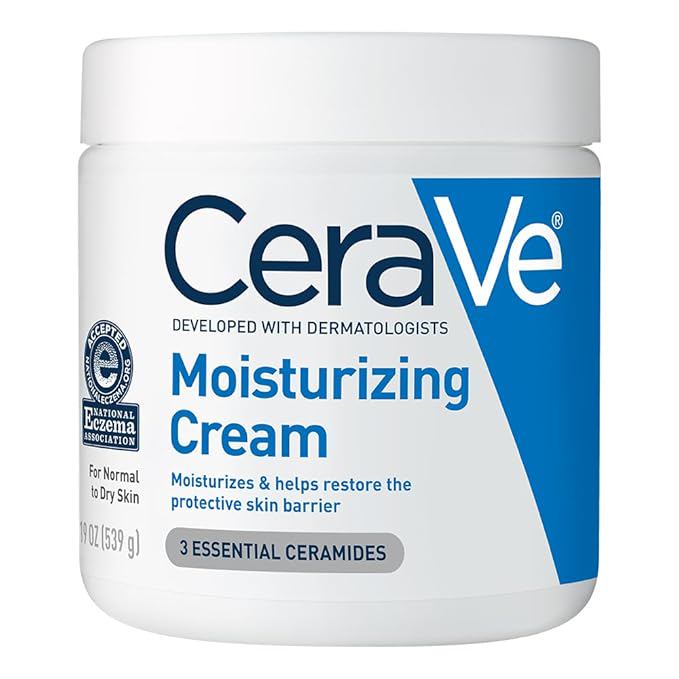
The swap: Make a bare-minimum routine that takes under two minutes: a gentle cleanser, a lightweight non-comedogenic moisturizer, and (in the morning) sunscreen. Stick to that even on bad days. Consistency matters more than complexity.
3. Craving and reaching for high-sugar, high-glycemic foods
Under stress, your body craves quick energy—think sugary snacks, white bread, chips, or soda. These foods spike your blood sugar and insulin, which triggers a cascade of inflammation and increased sebum production. Multiple studies have shown that high-glycemic diets are linked to more severe acne. Stress eating amplifies that effect because cortisol already raises blood sugar, so the combination is a double hit.
“That afternoon candy bar or late-night bowl of ice cream might feel like a comfort, but your skin may pay the price with more breakouts a few days later.”
The swap: Keep lower-glycemic snacks on hand: hummus with veggies, an apple with almond butter, plain Greek yogurt with berries, or a handful of nuts. These provide energy without the insulin spike.
4. Skimping on sleep or sleeping poorly
Stress keeps your mind racing, and that often means fewer hours of restful sleep—or fragmented sleep. During deep sleep, your body produces growth hormone and repairs skin cells. Your cortisol levels naturally drop overnight. When you’re short on sleep, cortisol stays elevated, inflammation increases, and your skin’s ability to repair itself slows down. You may also produce more oil as a result.
The swap: Build a simple wind-down routine 30 minutes before bed: dim the lights, put your phone on airplane mode, and try a brief breathing exercise or a calming tea (caffeine-free). Aim for consistency in your bedtime even if the hours are less than perfect—a regular schedule helps regulate cortisol.
These stress habits often fly under the radar because they feel like normal coping mechanisms. But each one creates a physiological response that can worsen acne. The goal isn’t to eliminate stress—that’s unrealistic. It’s to notice which habits you default to and gently redirect them. Small changes, practiced regularly, add up to calmer skin over time.
If your acne is persistent or painful, it’s always wise to check in with a board-certified dermatologist—they can identify whether stress, hormones, or other factors are the main driver for your skin.