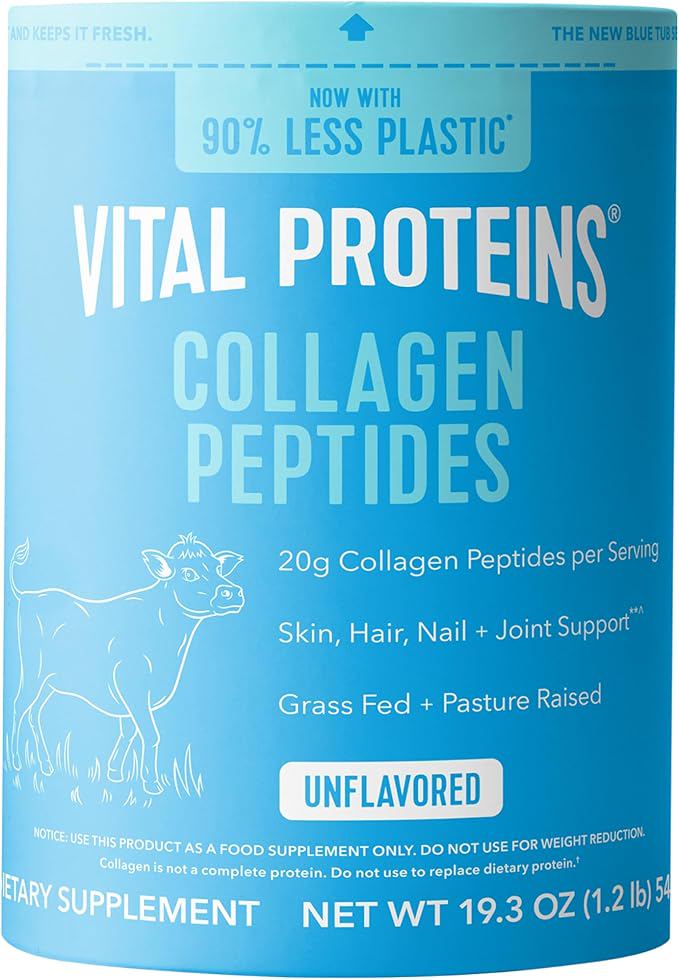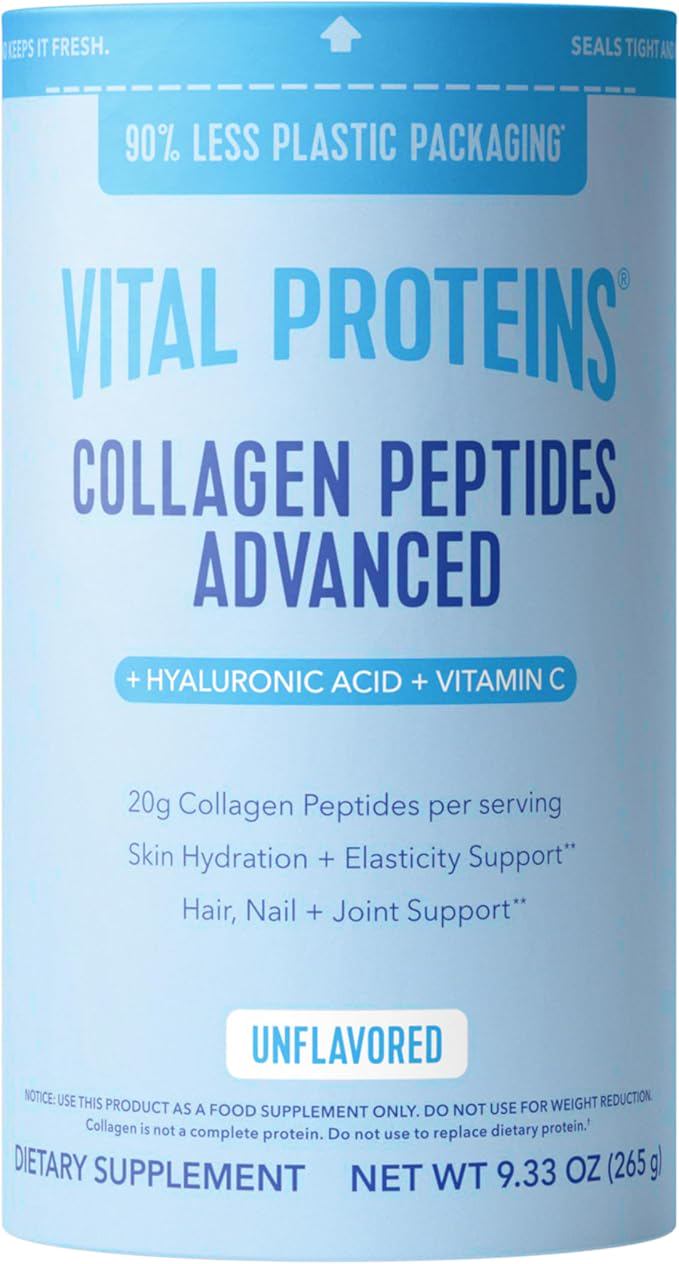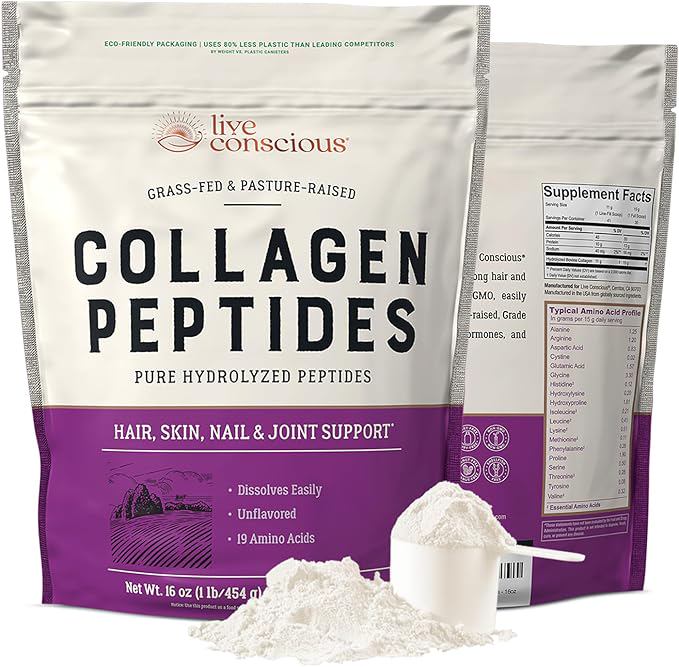

Collagen is the scaffolding that keeps skin plump, joints flexible, and connective tissues strong. After about age 25, the body’s natural collagen production begins a slow, steady decline — roughly 1 percent per year. This isn’t a medical crisis for most people, but it can show up in ways that catch you off guard. The key is recognizing the early clues and knowing which daily habits actually support your body’s own collagen synthesis (and which trendy fixes are overhyped).
Here are four concrete signs that your collagen production may be dropping, along with practical, science-backed steps you can take right now.
1. Your skin is losing its bounce and developing fine lines
If you press your cheek and the skin feels less springy than it did a few years ago, you’re noticing decreased skin elasticity. Collagen fibers form a dense network in the dermis, the middle layer of skin. When that network thins, skin doesn’t snap back as easily, and fine lines — especially around the eyes, mouth, and forehead — become more noticeable. This is often the first visible sign.
What you can do: Sun exposure is the single biggest external degrader of existing collagen. Broad-spectrum SPF 30 or higher, applied daily (even in winter), blocks the UVA rays that break down collagen fibers. Topical retinoids (available over the counter as retinol or by prescription) signal skin cells to increase collagen production. Start with a low concentration a few nights per week and use sunscreen religiously, because retinoids increase sun sensitivity.
2. Joints feel stiffer or creakier than they used to
Cartilage — the smooth tissue that cushions joints – is rich in collagen, specifically type II collagen. As natural production slows, cartilage can become thinner and less resilient. You might notice a slight creaking sound when you stand up from a chair, or stiffness that disappears after a few minutes of movement. This is different from sharp joint pain or swelling (which warrants a doctor’s visit).
What you can do: Weight-bearing exercise like walking, stair climbing, or light strength training stimulates the joint capsule and helps maintain cartilage health. Some research suggests that collagen peptide supplements (hydrolyzed collagen) may support joint comfort, particularly when taken consistently for several months. Look for products that specify “type II collagen” on the label — that’s the type found in cartilage. Always check with your healthcare provider before starting a new supplement, especially if you have a history of kidney stones or allergies.
3. Hair and nails are becoming brittle
Collagen provides the structural amino acids — glycine, proline, and hydroxyproline — that keratin (the protein in hair and nails) needs to stay strong. When collagen levels dip, nails may split easily or develop vertical ridges, and hair can feel thinner or less lustrous. These changes are gradual, but if you notice both nails and hair struggling simultaneously, it’s worth looking at collagen support.
What you can do: Your body needs the right raw materials to build collagen. Focus on whole-food sources of amino acids and vitamin C: skin-on chicken, bone broth, fish with edible skin (like sardines), eggs, citrus fruits, bell peppers, berries, and leafy greens. Vitamin C is a required cofactor for collagen synthesis — without it, the collagen-building process literally cannot happen. If your diet is low in these foods, a vitamin C supplement (500 mg daily is a common maintenance dose, but check with your doctor) can fill the gap.
4. Wounds or minor cuts seem to heal more slowly
Collagen is a major player in every stage of wound healing. It attracts repair cells to the injury site and forms the structural matrix for new tissue. A minor paper cut that used to heal in two days might now take four or five. This slowdown is subtle but measurable. While slower healing can be associated with other health conditions (such as diabetes or poor circulation), in an otherwise healthy adult it often reflects lower collagen availability.
What you can do: Zinc is an essential mineral for collagen synthesis and wound repair. Oysters, beef, pumpkin seeds, and chickpeas are excellent food sources. Consume zinc-rich foods alongside sources of vitamin C and copper (found in organ meats, nuts, and seeds), as these minerals work together. Avoid smoking and limit alcohol to occasional use — both directly impair collagen production. Smoking triggers enzymes that break down existing collagen, and alcohol reduces vitamin A levels, which are needed for skin repair.
A real-world approach to supporting collagen
No single supplement or cream can reverse years of collagen loss overnight. The most effective strategy is a combination of protection (sunscreen, no smoking, moderate alcohol) and nutrition (adequate protein, vitamin C, zinc, and copper). Collagen supplements are popular and may offer modest benefits, but whole-food sources of collagen-building nutrients are just as important. Consistency — not perfection — is what makes a difference over months and years.
If you’re considering collagen peptides or other supplements, start with a well-reviewed product that has been tested by a third party (look for seals like USP or NSF International). Talk to your healthcare provider before adding any new supplement to your routine, especially if you have an autoimmune condition, gout, or allergies to common ingredients like fish or bovine products.
The bottom line: your body is always making some collagen. The goal isn’t to panic about tiny changes — it’s to give your body the tools it needs to keep building it as well as possible, for as long as possible.