
Hot flashes are the hallmark of menopause for many women, arriving without warning and often disrupting sleep, work, and composure. While the drop in estrogen is the root cause, research shows that certain daily habits can either fan the flame or help dampen it. Instead of simply accepting hot flashes as an unavoidable fact, you can make targeted changes that neurologically and physically reduce their intensity.
Below are four science-backed adjustments that target the body's thermoregulatory center, helping you stay cooler and more comfortable through the transition.
1. Layer your breathing with paced respiration
One of the most immediate tools you have is your breath. Studies in the journal Menopause have found that slow, deep breathing—often called paced respiration—can reduce the frequency and severity of hot flashes by calming the sympathetic nervous system. When you feel the familiar wave of heat rising, your body's fight-or-flight response kicks in, which can actually worsen the flush.
Practicing just 5 to 10 minutes of diaphragmatic breathing per day (in through the nose for a count of 4, out through the mouth for a count of 8) trains your nervous system to stay regulated. Over time, this reduces the spike in skin temperature and heart rate that accompanies a hot flash.
Quick tip: Set a daily reminder to do one round of paced breathing before lunch. The effect builds cumulatively.
2. Cool your core before bed—literally
Night sweats are among the most disruptive symptoms, often waking you drenched and unable to fall back asleep. The science is simple: your core body temperature naturally drops as you prepare for sleep, but menopause blunts this drop, making you more sensitive to heat. Proactive cooling before bed lowers the starting point, so a hot flash is less likely to spike you into discomfort.
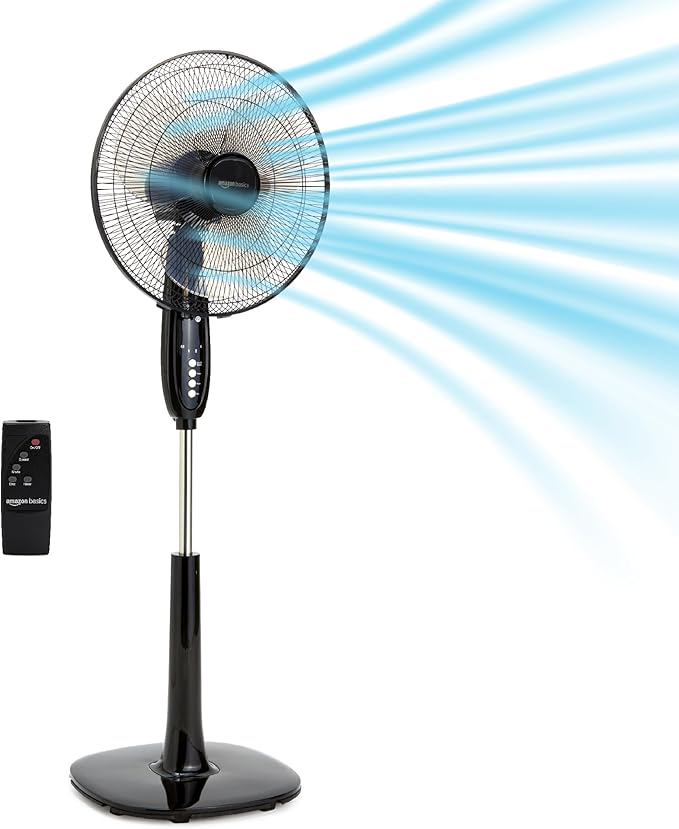
Try a lukewarm (not cold) shower 30 to 60 minutes before bedtime. This causes your blood vessels to dilate, then constrict, helping dissipate heat. You can also place a cooling gel pillowcase or a small fan on a nightstand aimed at your face and neck. Keeping your bedroom temperature at 65°F to 67°F (18°C to 19°C) can significantly reduce the chance of waking up in a sweat.
3. Eliminate (or substantially cut back on) common trigger beverages
What you drink directly affects your hypothalamic thermostat. Caffeine, alcohol, and very hot beverages can each trigger or intensify a hot flash in different ways. Caffeine stimulates the adrenal glands, raising heart rate and blood pressure, which can mimic the onset of a flash. Alcohol dilates blood vessels—vasodilation—making you feel red and flushed. And scalding-hot liquids can directly raise your core temperature when you need it to stay stable.
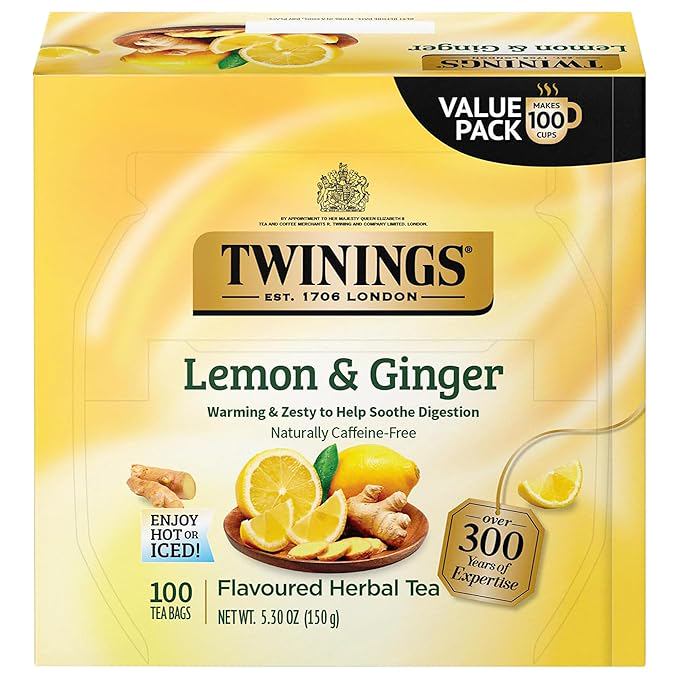
- Coffee and black tea: Try switching to half-caf or a rooibos herbal tea, which is naturally caffeine-free.
- Red wine and spirits: If you drink alcohol, limit it to one serving earlier in the evening, and notice if your flashes follow a pattern.
- Hot cocoa or steaming tea: Let it cool to warm (not hot) before sipping, especially in the afternoon and evening.
Replacing one or two of these with ice water or cold herbal tea can make a measurable difference within a week.
4. Prioritize plant-based protein at dinner
A recent study from the North American Menopause Society linked diets rich in red and processed meats with more frequent and severe hot flashes. Conversely, plant-based proteins—such as lentils, chickpeas, tofu, and edamame—contain phytoestrogens and fiber that support stable blood sugar and body temperature regulation. High blood sugar spikes can exacerbate hot flashes by triggering inflammation and vasodilation.
You don't have to become a strict vegetarian. Simply restructuring your plate so that half is vegetables and a quarter is plant-based protein (with the remaining quarter as lean animal protein or whole grains) can stabilize your metabolism. Women in the study who followed a Mediterranean-style diet with plenty of legumes reported noticeably cooler nights.
These four adjustments won't eliminate hot flashes overnight—menopause is a biological transition, not a condition to be cured. But they are simple, low-risk changes that give you back a sense of control. Combine paced respiration, proactive cooling, drink swaps, and a shift toward plant-based dinners, and you may find that each flash is shorter, less intense, and far less disruptive to your day.