
Stopping a weight-management medication can feel like a precarious moment. You’ve made progress, your habits have shifted, and now you’re wondering: what happens next? The truth is, the period after you stop taking medication is a critical window for reinforcing the routines that will keep the weight off for good. Rather than relying on a pill to do the heavy lifting, the focus shifts to how you live day to day.
Here are four research-backed lifestyle adjustments that can help you maintain your results and prevent regain, without needing to turn back to a prescription.
1. Rebuild your plate around protein and fiber
When you’re no longer taking medication that suppresses appetite or alters how your body processes food, your natural hunger signals return. This is where the composition of your meals matters most. Protein and fiber are the two nutrients most strongly linked to satiety—the feeling of being full and satisfied after eating.
At each meal, aim to include a palm-sized portion of lean protein (chicken, fish, tofu, legumes) and fill half your plate with vegetables or whole grains. Fiber-rich foods like oats, beans, berries, and leafy greens slow down digestion and stabilize blood sugar, which helps prevent the cravings that often lead to overeating.
Quick tip: Start lunch and dinner with a vegetable-based soup or a small side salad. Studies show that eating a low-calorie first course can reduce total calorie intake at the meal by about 20%.
2. Move daily, but focus on consistency over intensity
During a medication-assisted weight loss phase, exercise might have been secondary to the drug’s effects. After stopping, physical activity becomes non-negotiable—but that doesn’t mean you need to run marathons. The key is consistent, sustainable movement that you can do most days of the week.
Research from the National Weight Control Registry, which tracks people who have successfully maintained weight loss, shows that the most common physical activity pattern is moderate-intensity walking combined with some form of resistance training two to three times per week. Walking for 30 to 45 minutes daily, lifting light weights, or doing bodyweight exercises at home are all sufficient to support weight maintenance.
The goal is to keep your metabolism active and preserve lean muscle mass, which naturally burns more calories at rest. Without that muscle, your resting metabolic rate can drop, making it easier to regain weight.
3. Establish a consistent eating and sleeping schedule
Irregular eating patterns and poor sleep are two of the most underrated drivers of weight regain. When your body doesn’t know when to expect food, your hunger hormones (ghrelin and leptin) can become dysregulated. Meanwhile, sleep deprivation increases cortisol, a stress hormone that encourages fat storage, particularly around the abdomen.
Try to eat three meals at roughly the same times each day, and avoid eating late at night. Aim for seven to nine hours of quality sleep per night—this means going to bed and waking up at consistent times, even on weekends. Simple habits like putting away screens an hour before bed, keeping your bedroom cool and dark, and avoiding caffeine after 2 p.m. can significantly improve sleep quality.
A 2022 study in the journal Nutrients found that people who slept fewer than six hours per night were significantly more likely to regain weight after a period of weight loss, compared to those who slept seven to eight hours.
4. Practice mindful eating and track your progress loosely
Medications often reduce food noise—the constant mental chatter about eating. When you stop taking them, that noise can come back. Mindful eating is a practical, non-restrictive way to regain control without feeling deprived.
Start by eating without distractions: no phone, no TV, no reading. Chew slowly. Pause between bites. Check in with your hunger and fullness levels halfway through the meal. This simple practice helps you recognize when you’re truly satisfied versus when you’re eating out of habit or emotion.
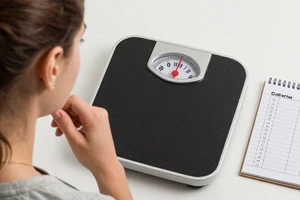
You don’t need to count every calorie, but keeping a very simple log—such as a daily checklist of protein servings, vegetable servings, and water intake—can keep you accountable without triggering obsessive behavior. Weekly weigh-ins (at the same time, on the same day, wearing similar clothing) are enough to catch small upward trends before they become large ones.
Preventing weight regain after stopping medication is not about willpower. It’s about building a lifestyle that supports your body’s natural regulatory systems. By focusing on protein and fiber, consistent movement, regular sleep and meals, and mindful eating, you can create a sustainable foundation that outlasts any prescription.