Heavy menstrual bleeding is a leading cause of iron deficiency in women, yet many everyday habits can quietly make the problem worse. A dietitian's perspective shifts the focus from just eating more iron to avoiding the common patterns that block absorption or increase blood loss. Below, we break down four specific behaviors that experts say can undermine your iron stores during your period.
What is the connection between menstruation and iron levels?
Iron is essential for making hemoglobin, the protein in red blood cells that carries oxygen throughout your body. During menstruation, you lose blood—and with it, iron. For women with heavy periods (menorrhagia), this monthly loss can be significant enough to deplete the body's iron reserves, leading to iron-deficiency anemia. Symptoms include fatigue, weakness, pale skin, shortness of breath, and dizziness. While diet alone may not correct severe deficiency, avoiding certain habits can help your body hold onto the iron it has.
Habit #1: Drinking tea or coffee with meals
Many women reach for a cup of tea or coffee to start the day, but drinking these beverages with meals can block iron absorption by up to 80 percent, according to some studies. The tannins in tea and the polyphenols in coffee bind to non-heme iron (the type found in plant foods and supplements), making it harder for your gut to absorb. The fix: wait at least one hour after eating before drinking tea or coffee, and avoid taking iron supplements with these beverages.
Dietitians suggest pairing iron-rich meals with a source of vitamin C, such as a squeeze of lemon or a side of bell peppers, to counteract the inhibitory effect of tea and coffee.
Habit #2: Relying on calcium-rich foods or supplements too close to iron intake
Calcium is another mineral that competes with iron for absorption in the intestines. While dairy, fortified plant milks, and calcium supplements are important for bone health, consuming them at the same time as iron-rich meals or supplements can reduce iron uptake. Tip: separate your high-calcium foods or supplements from your iron sources by at least two hours. For example, if you take an iron supplement in the morning, have your yogurt or calcium supplement at lunch or later in the day.
This doesn't mean you should cut out calcium — it's still crucial for overall health, especially for women at risk of osteoporosis. It's simply a matter of timing.
Habit #3: Overusing antacids or acid-reducing medications
Stomach acid plays a key role in breaking down dietary iron so that it can be absorbed. Antacids, proton pump inhibitors (PPIs), and H2 blockers all reduce stomach acid, which can impair iron absorption. If you frequently take over-the-counter antacids for heartburn or indigestion, especially around your menstrual period, you may be unintentionally limiting how much iron your body can use from food.
While these medications are necessary for some digestive conditions, chronic overuse—particularly without a doctor's guidance—can contribute to iron deficiency over time. If you rely on acid reducers, consider discussing with your healthcare provider whether you need to monitor your iron levels more closely.
Habit #4: Skipping protein or eating low-iron meals during your period
It may sound obvious, but many women inadvertently cut back on iron-rich foods during their period due to cravings, nausea, or convenience. A diet heavy in refined carbohydrates, sugary snacks, and processed foods often delivers very little iron — and can even replace more nutrient-dense options. Red meat, poultry, fish, lentils, beans, spinach, and fortified cereals are all good sources of iron.
For those following a vegetarian or vegan diet, it's especially important to include a variety of plant-based iron sources throughout the day, paired with vitamin C to improve absorption. Simply putting together a balanced plate when you're on your period can make a surprising difference over several cycles.
Small, consistent choices matter more than occasional large changes. A pattern of low-iron eating during menstruation can quietly deplete your reserves over months or years.
Additional tips for managing iron levels during menstruation
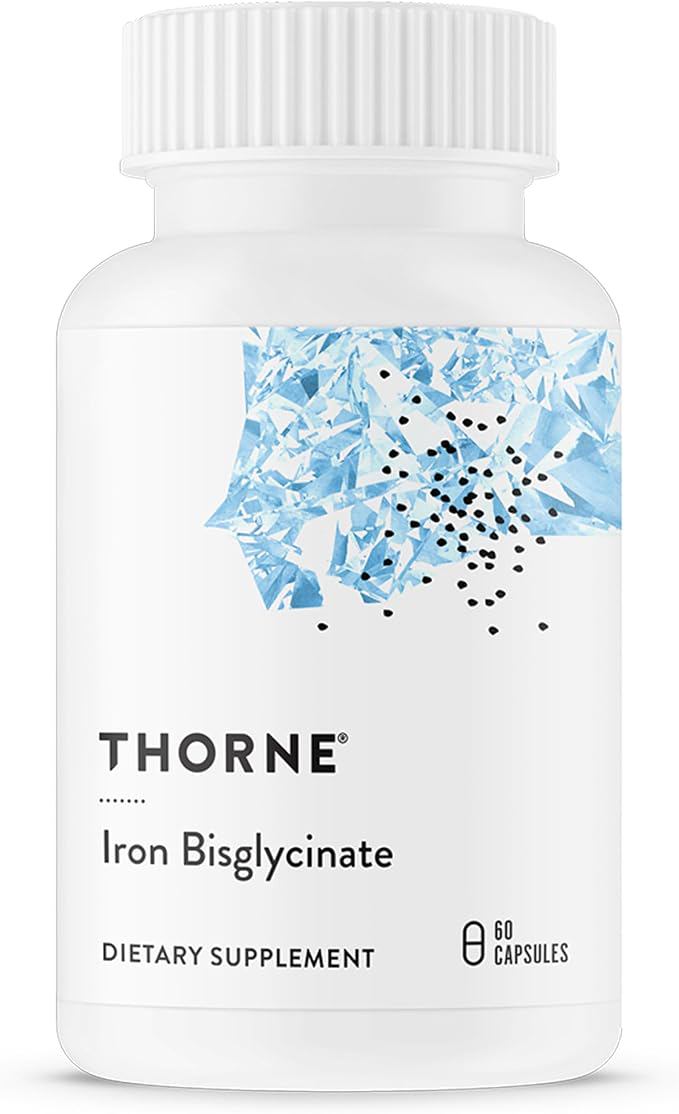
If you have heavy periods, consider tracking your cycle and symptoms to share with your doctor. They may recommend a ferritin test to check your iron stores. In some cases, oral iron supplements or even intravenous iron may be necessary. But for many women, simply adjusting the four habits above can improve how much iron their body retains.
- Eat iron-rich foods (red meat, poultry, beans, lentils, fortified cereals) at least once a day during your period.
- Include a source of vitamin C (citrus, bell peppers, tomatoes, strawberries) with your iron-rich meal.
- Avoid tea, coffee, and high-calcium foods for at least one hour before and after your main iron source.
- Limit unnecessary antacid use, especially around mealtime.
As always, talk to your healthcare provider before making significant changes to your diet or supplement routine. Iron deficiency is a treatable condition, and small adjustments to your daily habits can help keep your energy levels steady throughout your cycle.