Starting a retinoid is a milestone in many skincare routines. But for all the benefits—smoother texture, fewer breakouts, brighter skin—the early weeks often come with one stubborn side effect: dryness, flaking, and tightness. If you’ve been faithfully applying your retinol or prescription retinoid only to deal with a parched, irritated complexion, you’re not alone. The good news: what you eat can genuinely help support your skin’s moisture barrier from the inside out.
Here are four foods a dietitian would actually recommend to help counteract retinoid-related dryness. These aren’t trendy superfoods—they’re everyday sources of key nutrients that help skin retain water, repair its protective layer, and calm inflammation.
1. Fatty Fish (Salmon, Mackerel, Sardines)
Retinoids speed up skin cell turnover, which can temporarily thin the outermost layer of skin—the stratum corneum. That layer acts like a brick wall, keeping moisture in and irritants out. When it’s compromised, water escapes (transepidermal water loss) and skin feels tight and flaky.
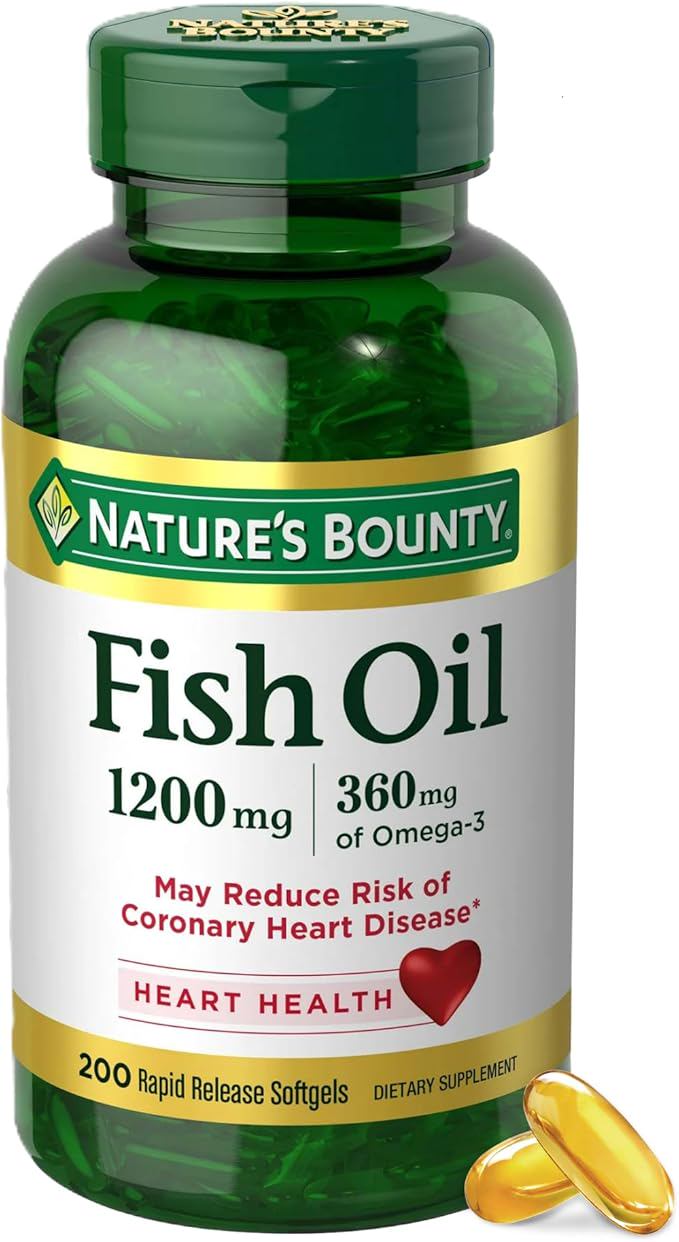
Enter omega-3 fatty acids, especially EPA and DHA found in cold-water fatty fish. These fats are incorporated into cell membranes throughout the body—including skin cells—and help them stay flexible and hydrated. A 2020 review in Marine Drugs confirms that omega-3s reduce transepidermal water loss and improve skin barrier function. Aim for two 3-ounce servings per week. If fish isn’t your thing, a high-quality fish oil supplement can offer similar benefits, but food sources are best because you also get protein, vitamin D, and selenium.
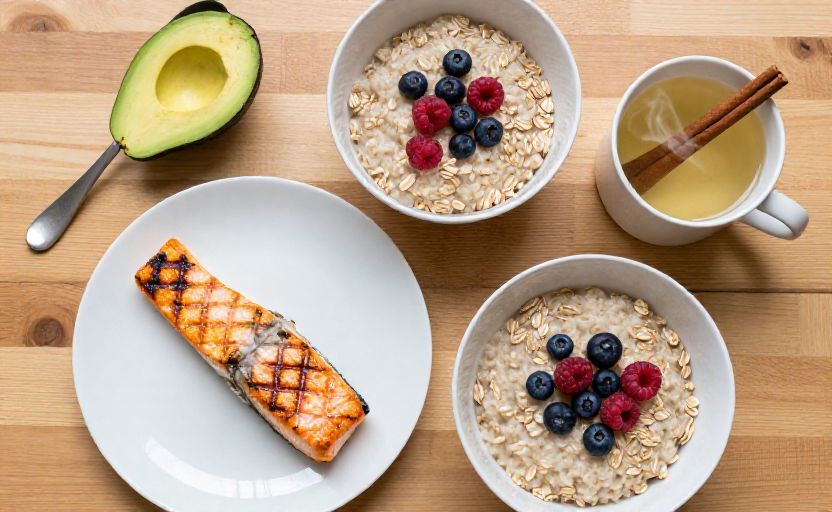
Quick tip: A simple meal of grilled salmon with steamed greens provides a concentrated dose of barrier-supporting fats in one sitting.
2. Avocados
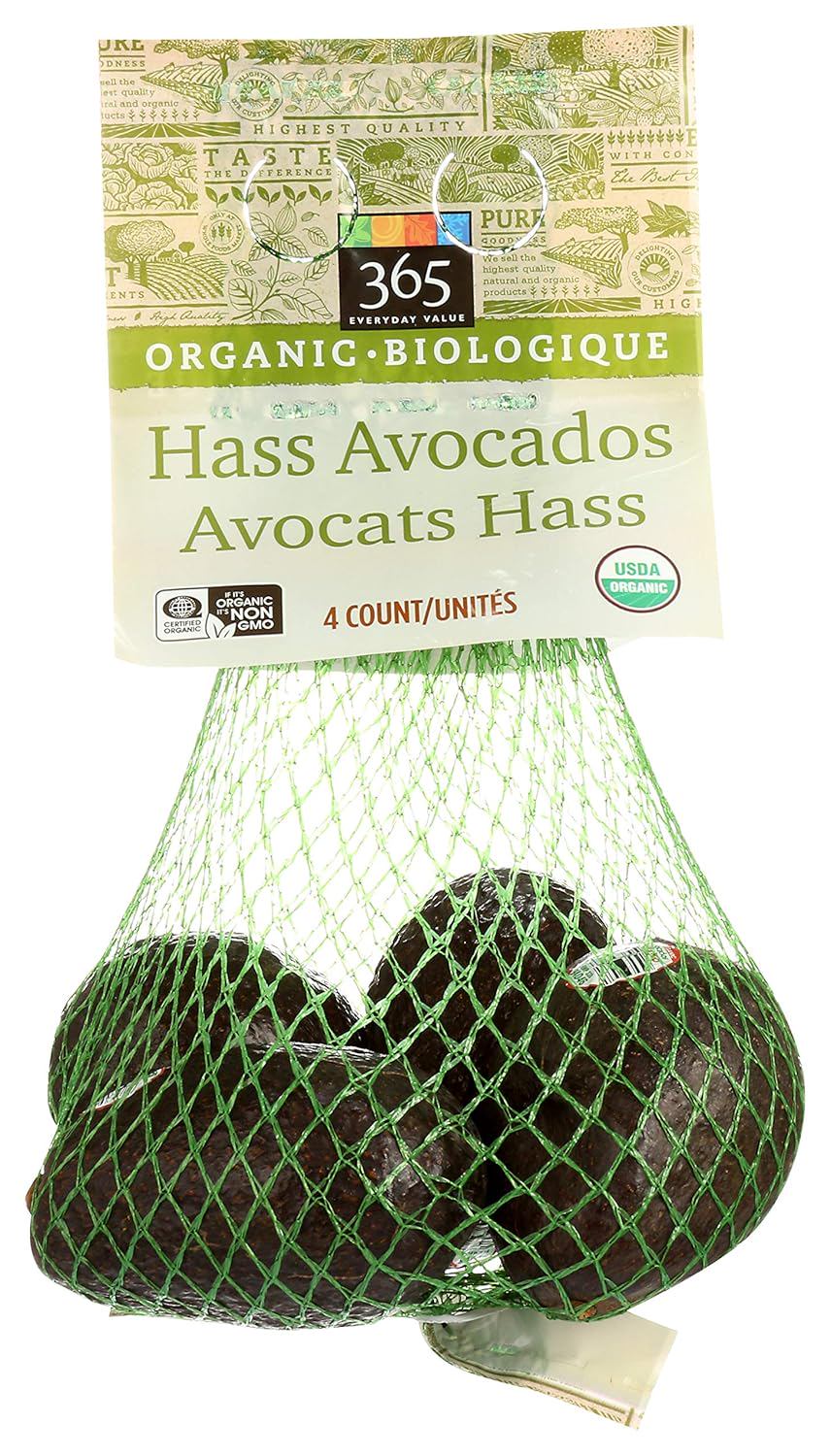
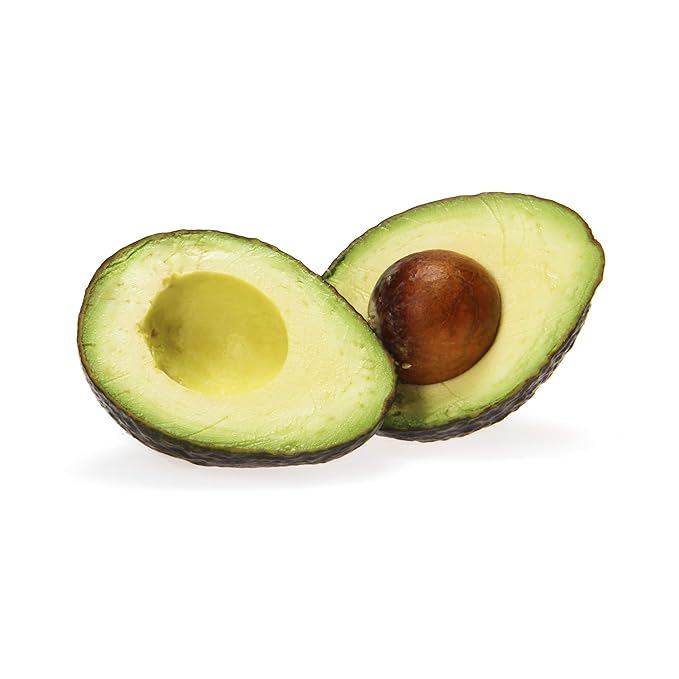
Avocados are a near-perfect skin hydrator because they supply three things at once: healthy monounsaturated fats, vitamin E, and a surprising amount of water. Vitamin E is a fat-soluble antioxidant that protects skin cells from oxidative stress (which can worsen retinoid irritation).
One study found that daily avocado intake over eight weeks improved skin firmness and elasticity, and increased the skin’s ability to retain moisture. The vitamin E also helps calm redness. Slice it onto toast, blend it into smoothies, or eat it straight with a spoon. Half an avocado per day is an easy target.
3. Whole Oats (Not the Instant Packets)
Oats aren’t just for breakfast—they’re a powerhouse of beta-glucans, a type of soluble fiber. Beta-glucans form a gel-like substance in the digestive tract and are absorbed into the skin where they help increase the production of ceramides. Ceramides are the “glue” that holds skin cells together and prevents moisture loss.
Whole oats (rolled or steel-cut, not the sugary instant packets) also contain avenanthramides, anti-inflammatory compounds that can reduce the redness and itching that sometimes accompany retinoid use. Start your day with a bowl of oatmeal topped with berries and a tablespoon of flaxseed for an extra barrier boost.
4. Bone Broth or Collagen-Rich Cuts of Meat
Retinoids stress the skin’s collagen production temporarily before improving it long-term. During that adjustment period, your skin needs amino acids—especially glycine and proline—to rebuild its structural matrix.
Bone broth (from chicken, beef, or fish) is naturally rich in these amino acids as well as hyaluronic acid precursors, which help skin hold water. If you don’t eat meat, consider adding a scoop of collagen peptides (derived from animal sources; non-vegans can use marine collagen) to your coffee or smoothie. Research shows that oral collagen supplementation improves skin hydration and elasticity after eight weeks. Bone broth also supplies silica and glucosamine, which support skin structure.
Caveat: Collagen supplements aren’t strictly necessary—eating enough protein from diverse sources (eggs, legumes, dairy) provides the same building blocks.
Three Practical Tips for Combining Food with Retinoids
These foods aren’t magic: they won’t erase peeling overnight. But paired with a solid skincare routine, they make a real difference. Here’s how to integrate them:
- Pair your biggest meal with your retinoid night. Eating a fat-rich meal (salmon, avocado, olive oil) at dinner before applying your retinoid helps the skin absorb the vitamin A more effectively and reduces irritation.
- Hydrate between meals. Water is still essential—aim for eight cups per day minimum. Herbal teas and water-rich fruits (cucumber, watermelon, berries) count too.
- Consider a probiotic food. Yogurt, kefir, or sauerkraut support the gut-skin axis, and a healthy gut microbiome can reduce inflammation that makes dry skin worse.
If dryness persists beyond four weeks despite these changes, talk to your dermatologist about adjusting your retinoid strength or frequency. Often the issue isn’t the retinoid itself but the pace at which your skin is adjusting. With patience and the right foods, your skin can get the benefits without the burn.