
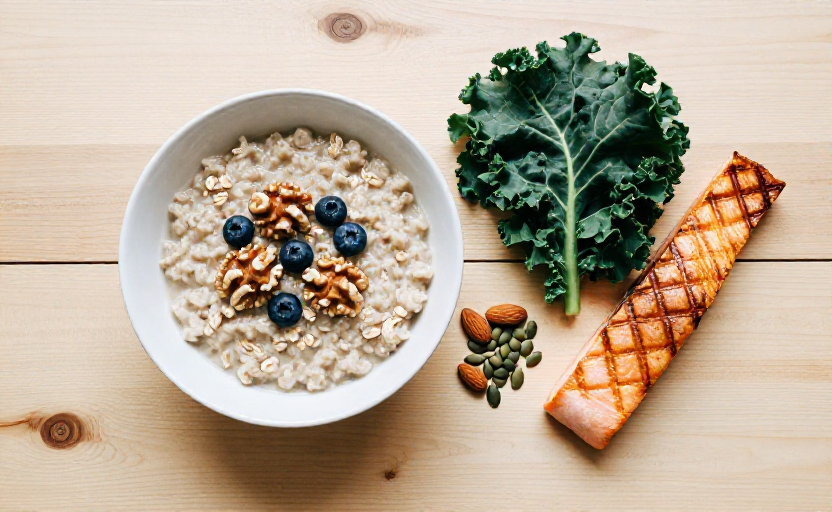
Mindful eating often starts with how you eat—slowing down, savoring each bite, and listening to your body's cues. But what you eat matters just as much as the mindset you bring to the table. Choosing the right foods can help you maintain steady energy, avoid the mid-afternoon slump, and keep your blood sugar stable without feeling deprived.
Here are four foods that naturally support both mindful eating habits and consistent energy throughout the day. They are nutrient-dense, satisfying, and easy to incorporate into meals and snacks.
1. Oats: The Anchor for a Calm Morning
Oats are a classic choice for a reason. They provide complex carbohydrates that digest slowly, releasing glucose into your bloodstream at a steady pace rather than all at once. This helps you avoid the sharp energy spike and crash that often comes with sugary breakfast cereals or pastries.
From a mindful eating perspective, oats are also a forgiving base. You can add texture and flavor through nuts, seeds, berries, or a drizzle of nut butter. The slow chewing required for whole-grain oats encourages you to stay present with your food. Try steel-cut or rolled oats—they have a firmer texture than instant varieties, which naturally slows your eating pace and gives your brain time to register fullness.
2. Nuts and Seeds: Tiny Powerhouses for Sustained Fuel
Nuts and seeds such as almonds, walnuts, pumpkin seeds, and chia seeds deliver healthy fats, protein, and fiber in a compact package. This trio helps slow down digestion, which stabilizes blood sugar and provides a steady source of energy over several hours.
Because they require some chewing (especially whole almonds or sunflower seeds), they naturally encourage you to pause between bites—a core principle of eating mindfully. Keep a small portion in your bag or desk drawer for moments when hunger strikes before your next meal. Pair them with a piece of fruit or a few oat crackers for a balanced mini meal that won't lead to a crash.
3. Dark Leafy Greens: Nutrient Density Without the Load
Spinach, kale, Swiss chard, and collard greens are not just for salads. These greens offer a high amount of vitamins, minerals, and antioxidants relative to their calorie load. They also contain magnesium, a mineral that plays a role in energy production and stress regulation. When your body's nutrient needs are met, you feel more even-keeled and less likely to experience the fatigue that can come from micronutrient gaps.
Incorporating greens mindfully doesn't mean eating a huge salad every day. Add a handful of spinach to your morning smoothie or scrambled eggs. Sauté kale with garlic as a side dish for lunch or dinner. The goal is to include them in a way that feels easy and satisfying, not like a chore. Their high water and fiber content also help you feel fuller for longer, reducing the urge to snack impulsively.
4. Fatty Fish (or Other Omega-3 Sources): Brain Support for Lasting Focus
Salmon, mackerel, sardines, and trout are rich in omega-3 fatty acids (EPA and DHA), which are essential for brain health. Steady cognitive energy is about more than just physical fuel—your brain needs healthy fats to maintain focus, memory, and mood stability throughout the day. When your brain is well-nourished, it's easier to stay present and mindful.
If you don't eat fish, other sources include walnuts, flaxseeds, chia seeds, and algae-based supplements. The key is to include some form of omega-3s regularly. Fish also provides high-quality protein, which helps keep your energy stable for hours after a meal.
How to Build a Mindful Plate
A simple way to use these four foods is to build each meal around one or two of them. For example:
- Breakfast: Oatmeal topped with a handful of walnuts and a small handful of blueberries. The nuts provide fat and protein; the oats provide slow-release carbs.
- Lunch: A salad with mixed dark leafy greens, leftover grilled salmon (or canned sardines), a sprinkle of pumpkin seeds, and a simple vinaigrette. This combines greens, omega-3s, and seeds for a balanced plate.
- Snack: A small apple with a tablespoon of almond butter or a small handful of almonds. The fiber in the apple and the healthy fats in the nuts keep you satisfied until dinner.
Remember that mindful eating is not about being perfect—it's about bringing awareness to your choices. If you find you are reaching for something else at 3 p.m., pause and notice whether you are actually hungry or just bored or stressed. That moment of awareness is the heart of mindful eating.
The Connection Between Food Choice and Energy Rhythm
When you eat foods that support steady energy, you give yourself the physiological foundation to practice awareness. Spikes and crashes in blood sugar make it harder to stay calm and focused. By choosing whole, slow-release foods like oats, nuts, greens, and fatty fish, you set up a more even keel—so that moment of hunger or fatigue doesn't control your next meal choice.
Ultimately, the foods you choose are one part of the equation. The other part is the mindset you bring to eating. When you slow down and truly taste the textures and flavors of these nourishing foods, you naturally eat less and enjoy more. That's the essence of eating both mindfully and steadily.