Menopause brings a cascade of hormonal shifts, and for many women, a noticeable dip in libido is one of the most frustrating changes. It is not simply about mood or stress; the decline in estrogen and testosterone directly affects blood flow, nerve sensitivity, and vaginal tissue health—all of which play a role in desire and arousal. While no single food can reverse these changes overnight, research points to specific nutrients that support the underlying biology of sexual response.
What follows are four food categories backed by evidence for their role in circulation, hormone balance, and nervous system support. Think of them as small, consistent additions to your plate rather than quick fixes or prescriptions.
1. Oysters and Zinc-Rich Shellfish
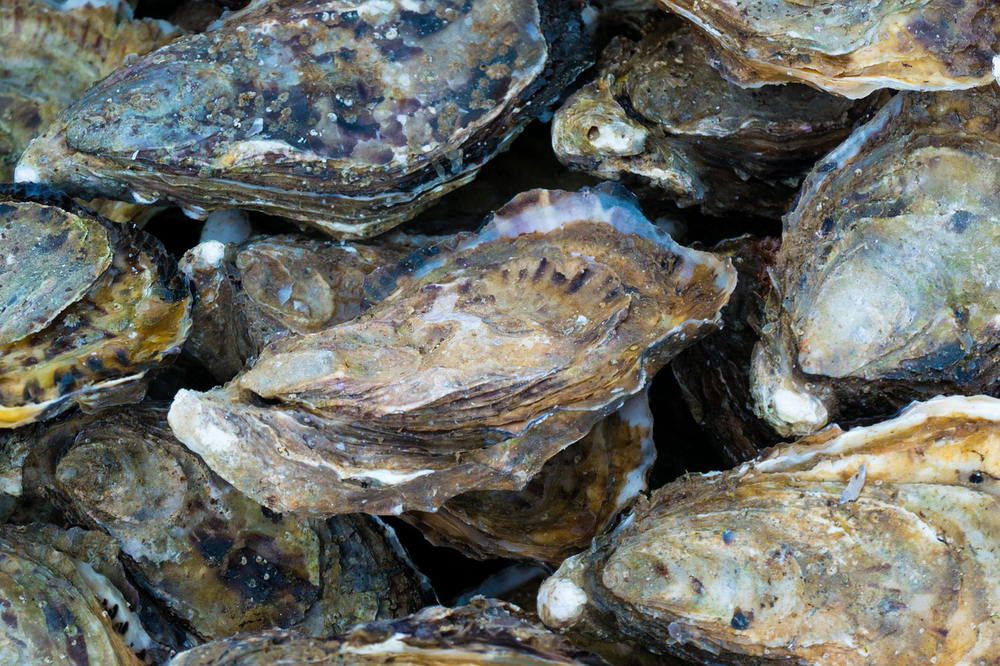
Oysters have a long folklore reputation as an aphrodisiac, but they also carry real nutritional weight. They are one of the most concentrated dietary sources of zinc, a mineral essential for testosterone production. Testosterone is not a male-exclusive hormone; women produce it too, and it plays a direct role in libido and sexual arousal. A zinc deficiency can blunt this pathway.
Other options for zinc include crab, mussels, and lean red meat. If shellfish is not your preference, pumpkin seeds and chickpeas provide zinc, though in lower amounts. The goal here is consistent intake—not a single large dose. Even moderately low zinc levels can dampen the signaling that drives sexual interest.
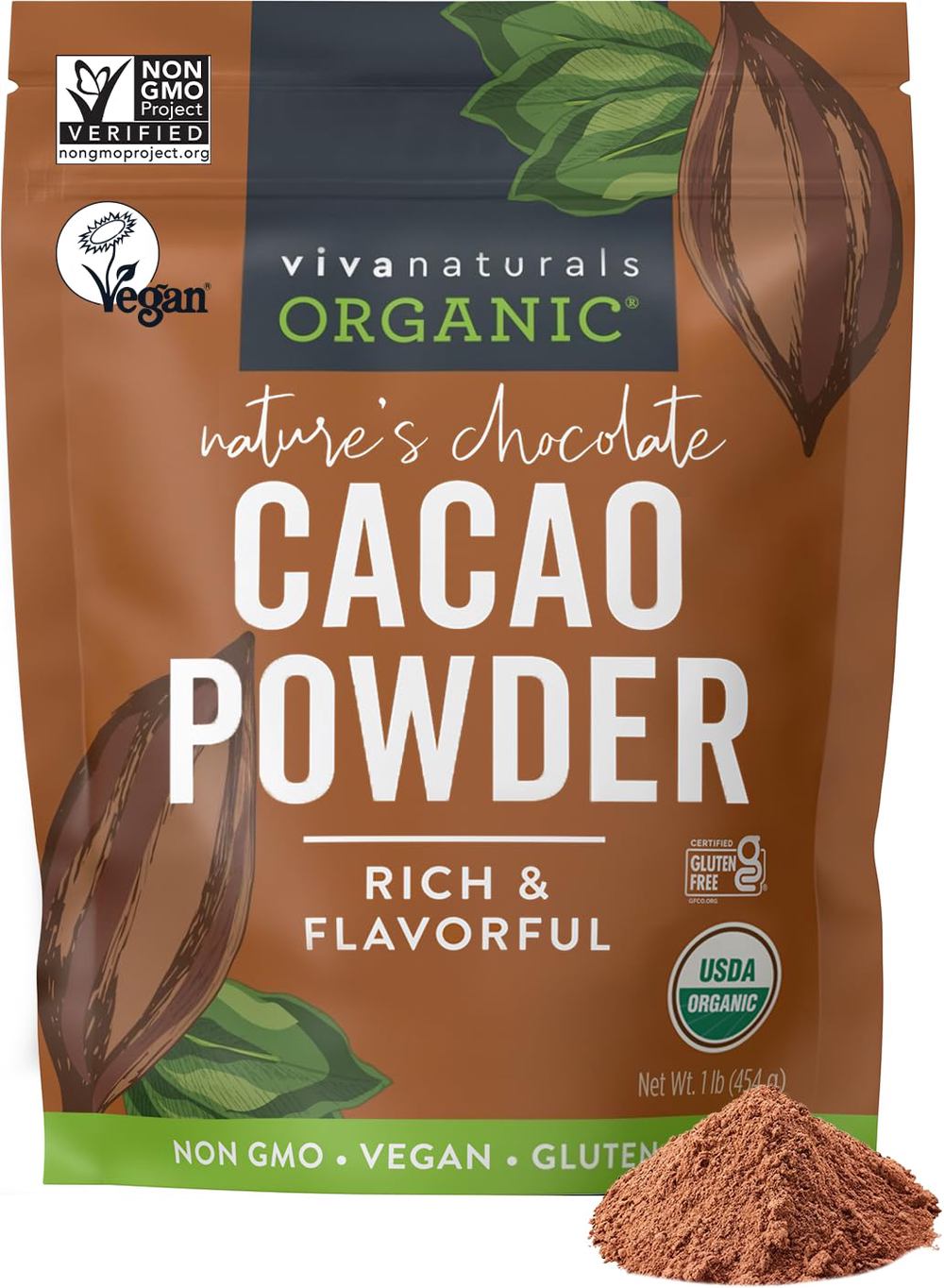
2. Dark Chocolate for Circulation and Mood
Dark chocolate that contains at least 70% cocoa solids offers more than just a pleasant treat. Cocoa is rich in flavanols, plant compounds that stimulate nitric oxide production in the blood vessels. Nitric oxide relaxes the inner lining of arteries, improving blood flow throughout the body—including to the pelvic region, which is critical for arousal and genital sensation.
Additionally, cocoa contains phenylethylamine, a compound that can boost endorphins and create a subtle mood lift. When libido is dampened by low energy or a flat mood, a small square or two (about 20 to 30 grams) can serve as a gentle psychophysiological cue. Stick with dark varieties that have minimal added sugar to avoid blood sugar spikes that can worsen energy crashes.
3. Avocados for Healthy Fats and Energy Stability
Avocados are a dense source of monounsaturated fats and vitamin B6. The fats support cell membrane health, including the tissues of the vaginal wall, which can become thinner and less elastic during menopause. B6 plays a role in the production of dopamine and serotonin—neurotransmitters that influence mood and the brain's reward system. A stable, positive mood is a prerequisite for desire; chronic irritability or fatigue can override physical signals of arousal.
Additionally, the combination of healthy fats and fiber in avocados helps maintain steady blood sugar levels. This prevents the energy dips that can make the thought of intimacy feel like an obligation rather than a desire. Try adding half an avocado to a salad or blending it into a smoothie for a creamy texture that does not spike glucose.
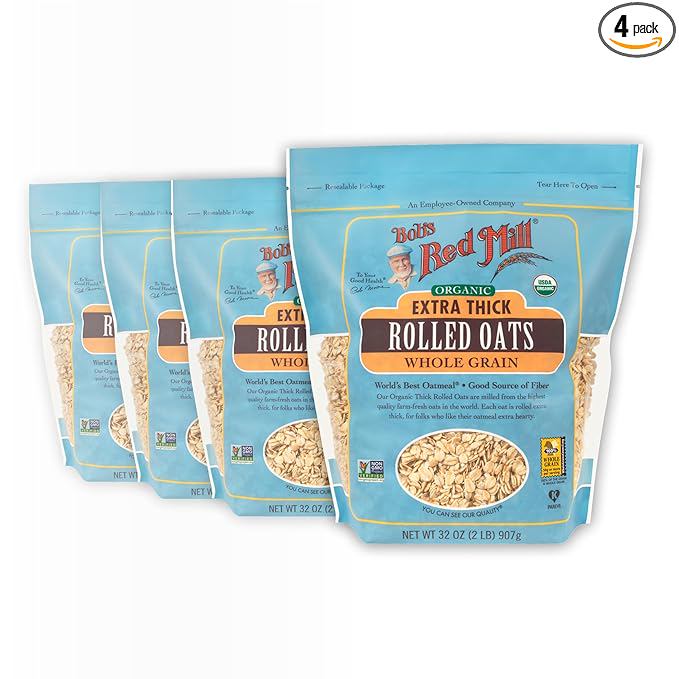
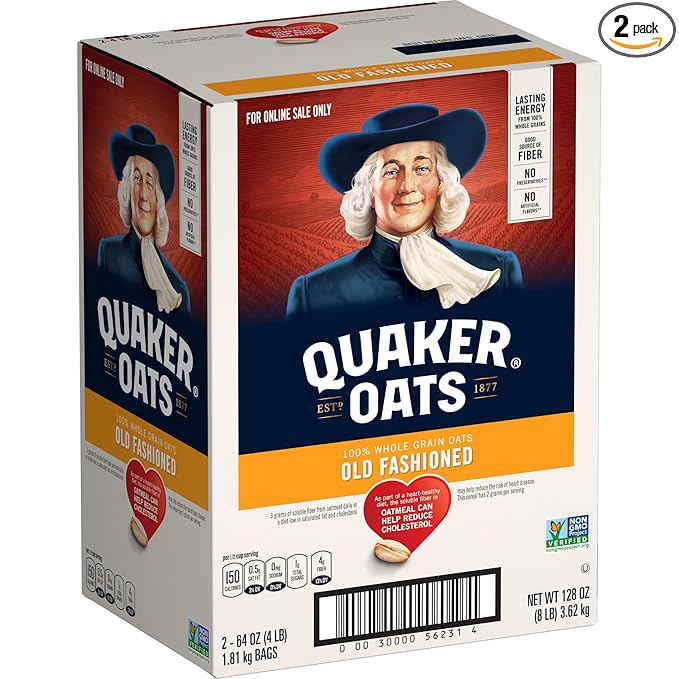
4. Oats and Whole Grains for Blood Sugar and Energy
Complex carbohydrates like oats, quinoa, and brown rice provide a steady release of glucose to the brain and body. During menopause, insulin sensitivity can change, and erratic blood sugar is linked to fatigue, irritability, and reduced sexual desire. By choosing whole grains over refined starches, you support consistent energy levels and balanced cortisol (stress hormone) output.
Oats also contain avenacosides, compounds found in the oat plant that are structurally similar to certain saponins studied for their potential to influence luteinizing hormone—a pituitary hormone that interacts with the reproductive axis. The evidence here is preliminary, but stable energy and mood alone make whole grains a foundational food for anyone navigating menopause.
Practical note: None of these foods should be viewed as a substitute for medical evaluation if you experience sudden or complete loss of libido, especially if accompanied by vaginal dryness, pain, or mood disorders that interfere with daily life. Hormone therapy, pelvic floor physical therapy, or counseling may be appropriate in scenarios where dietary adjustments alone are insufficient.
Incorporating these foods is not about rigid rules. A handful of pumpkin seeds on oatmeal, a square of dark chocolate after lunch, or a side of sautéed spinach with oysters a few times a week can create compound benefits over time. The hormonal shifts of menopause are real, but they do not have to write the entire script for your desire.