Your tooth enamel is the hardest substance in your body, but it’s not invincible. Daily acids from food, drink, and even stomach reflux slowly wear it down. Once enamel is lost, your body can’t regrow it. The good news is that you can actively support and remineralize the enamel you have through diet.
Dental hygienists work at the front lines of enamel erosion every day. They see which patients have strong, resilient teeth and which ones struggle with sensitivity and cavities. We asked several hygienists what foods they eat themselves — and recommend to their patients — to keep enamel strong. Here are their top four.
1. Hard, aged cheese (like cheddar, gouda, or parmesan)
Cheese does more than just taste great. A study in General Dentistry found that eating cheese raised the pH level in participants’ mouths, helping to neutralize the acid that erodes enamel. But not all cheese works the same way.
Hard, aged varieties offer a triple benefit. First, chewing stimulates saliva — your mouth’s natural buffer and remineralizer. Second, the calcium and phosphate in cheese provide raw materials for rebuilding enamel. Third, casein proteins in dairy bind to tooth surfaces, forming a protective film that reduces demineralization.
For a quick enamel boost, eat a small cube of aged cheese at the end of a meal — especially one that includes acidic foods like wine, tomato sauce, or citrus.
2. Crunchy vegetables (celery, carrots, and raw broccoli)
Your mother was right to tell you to eat your vegetables. But for enamel, the texture matters as much as the nutrients. Crunchy, fibrous vegetables act as a natural toothbrush, scrubbing away food particles and plaque from tooth surfaces as you chew.
Celery, in particular, is rich in water and fiber, which helps dilute sugars and acids in your mouth. The chewing action stimulates saliva flow, washing away debris and buffering acid. Carrots provide beta-carotene (which the body converts to vitamin A, essential for healthy tooth enamel formation) and a satisfying crunch that gently massages gums.
For the strongest effect, eat a few raw celery or carrot sticks as a palate-cleansing snack — not as a replacement for brushing, of course, but as a between-meal choice that supports enamel instead of attacking it.
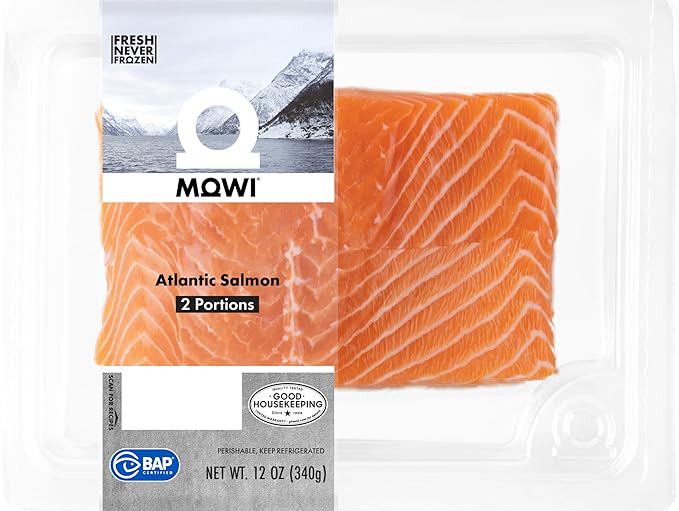
3. Fatty fish (salmon, sardines, and mackerel)
Vitamin D is the gatekeeper for calcium absorption. Without adequate vitamin D, your body cannot properly use the calcium you consume to remineralize enamel. Fatty fish is one of the few natural food sources of vitamin D in significant amounts.
Canned sardines with bones deliver a double punch of enamel-friendly nutrition: vitamin D from the fish oil and easily absorbable calcium from the edible bones. Salmon and mackerel also provide omega-3 fatty acids, which reduce gum inflammation and support the periodontal tissues that anchor your teeth. Healthy gums mean less gum recession and less exposed root surface, which can be more vulnerable to decay than enamel-covered crowns.
Aim to include fatty fish twice a week to maintain steady vitamin D levels and support your body’s natural remineralization process.
4. Black or green tea (unsweetened)
A cup of unsweetened tea after a meal can be a surprisingly effective enamel protector. Both black and green tea contain natural fluoride, the same mineral added to most drinking water and toothpaste for cavity prevention.
Polyphenols in tea — particularly catechins in green tea — inhibit the growth of Streptococcus mutans, the primary bacteria responsible for cavity formation. Fewer bacteria means less acid production, which means less enamel erosion. Some studies suggest that rinsing with black tea after a sugary snack can reduce acid damage by up to 30%.
Hygentist tip: Skip the sugar, honey, or lemon. Sugar feeds bacteria that create acid; lemon adds more acid directly. Drink tea plain, or with a splash of milk if needed.
What about timing? A quick tactic
Even the best enamel-strengthening foods won't help much if you eat them at the wrong moment. Acid attacks peak during and right after meals. That is precisely when you want minerals and neutralizers present in your mouth.
Try using hard cheese or unsweetened tea as the final course of a meal — a tactic dental hygienists call “food finishing.” It signals your mouth to shift from acid-producing to remineralizing mode. Avoid brushing your teeth for at least 30 minutes after eating acidic foods; brushing softened enamel can wear it away faster.