What you eat first thing in the morning sets the tone for your entire day — and that includes your digestive system. For anyone looking to support better gut health, the morning meal offers a prime opportunity to feed the beneficial microbes that live in your digestive tract. These bacteria help with digestion, immune function, and even mood regulation. Here are four expert-backed, simple shifts you can make to your first meal of the day that may improve your gut health over time.
1. Start With a Pre-Meal Glass of Water
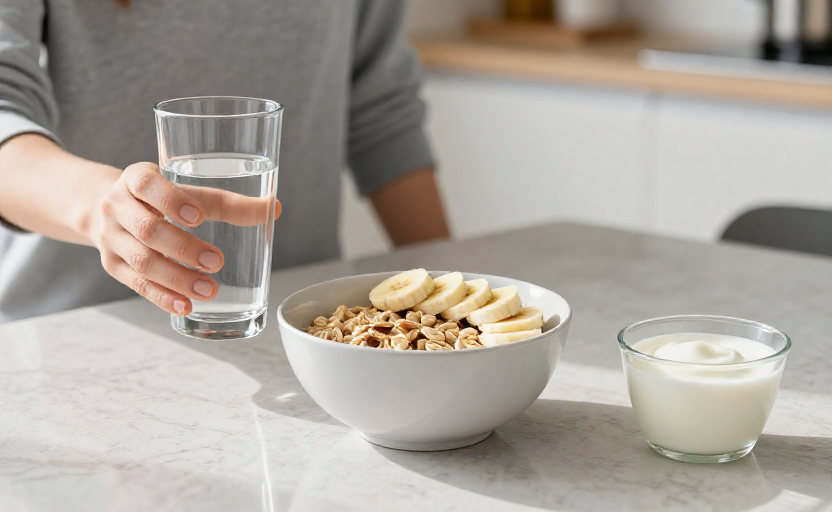
Before you take a single bite, consider a glass of room-temperature water. Your digestive tract works best when it’s well hydrated. Water helps break down food so your body can absorb nutrients more effectively. It also keeps things moving, which can prevent constipation. Aim for 8 to 16 ounces of water about 20 to 30 minutes before your first meal. This simple habit primes your gut for the work ahead.
2. Include a Source of Prebiotic Fiber
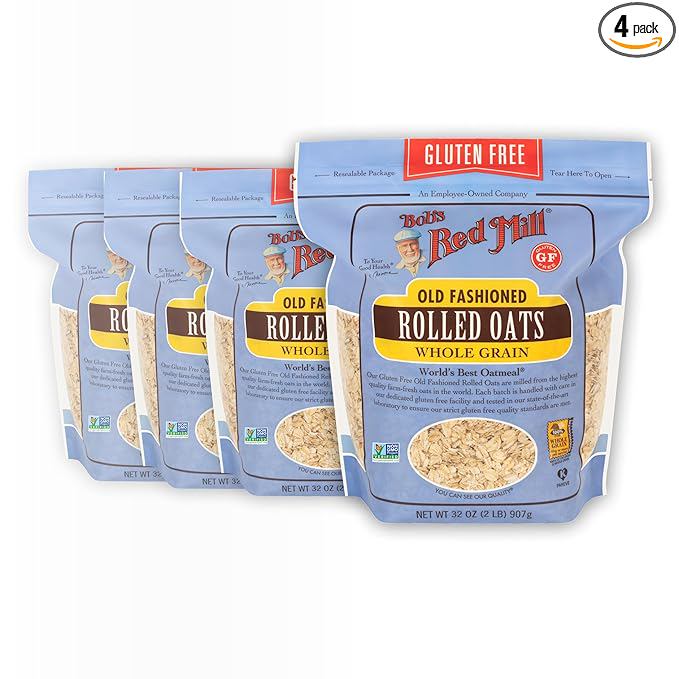
Prebiotics are types of fiber that feed the good bacteria in your gut. Unlike probiotics (which are live bacteria), prebiotics serve as fuel for the microbes already living in your colon. Adding a prebiotic-rich food to your breakfast can help these bacteria thrive. Good options include oats, bananas (especially slightly green ones), cooked and cooled potatoes or rice (the resistant starch increases with cooling), and chopped onions or garlic in a savory scramble. Even a simple bowl of oatmeal with sliced banana gives your microbiome a morning boost.
A quick tip: If you’re not used to eating a lot of fiber, increase the amount slowly over a week or two and drink plenty of water to help your digestive system adjust.
3. Add a Probiotic Food or Beverage
While prebiotics feed healthy bacteria, probiotics introduce new beneficial strains directly into your gut. Fermented foods are some of the best sources. Try adding a serving of plain yogurt (look for live, active cultures), kefir, kimchi, sauerkraut, or a mild fermented vegetable to your breakfast plate. If you prefer a drink, a small glass of kombucha or a serving of cultured coconut yogurt can work well. The key is consistency — including a small amount daily is more helpful than a large amount once in a while.
Note: If you have a compromised immune system or a chronic condition, check with your healthcare provider before regularly adding fermented foods to your diet.
4. Reduce Added Sugars and Refined Carbohydrates
Many common breakfast foods — pastries, sweetened cereals, flavored yogurts, and white toast — are loaded with added sugar and refined flour. These ingredients can feed less desirable gut bacteria and yeast, potentially throwing off the balance of your microbiome. Instead of cutting everything out at once, try one swap: choose plain yogurt and sweeten it with fruit, swap sugary cereal for rolled oats with nuts and berries, or replace white bread with a whole-grain or sourdough option. Over time, these small substitutions help create an environment where beneficial bacteria can flourish.
Bringing It All Together
Improving gut health doesn’t require a complete diet overhaul or expensive supplements. A few thoughtful changes to your first meal — hydrating beforehand, adding prebiotic fiber and a fermented food, and cutting back on sugar — can make a real difference. Listen to your body, go at your own pace, and remember that even small steps count when it comes to nurturing your gut microbiome.