Many people assume that any movement during a period is good movement, but physiotherapists point out that the wrong kind of exercise can actually make menstrual cramps worse. While staying active often helps ease discomfort, certain workout habits—especially those that strain the pelvic floor, compress the lower abdomen, or spike inflammatory hormones—can backfire.
Below, physiotherapists break down four common exercise mistakes that can amplify period pain, along with smarter alternatives to keep you moving comfortably.
Mistake 1: High-Impact Cardio During Heavy Flow Days
Jumping, sprinting, and plyometric moves send force through the pelvic floor repeatedly. For some people, this can increase pelvic congestion—the pooling of blood in the pelvic veins—which is already elevated during menstruation. The result can be sharper cramping and a heavier, more uncomfortable flow.
What to do instead: On days 1–2, swap running or HIIT for brisk walking, cycling on a low resistance, or swimming. These keep blood moving without the repetitive jarring.
Mistake 2: Holding Your Breath During Core Work
It’s common to unconsciously hold your breath while doing crunches, planks, or Pilates exercises. However, bracing the breath increases intra-abdominal pressure, which can compress the uterus and intensify cramping. Physiotherapists call this “bearing down”—the same mechanism that makes bearing down during a bowel movement uncomfortable.
What to do instead: Focus on exhaling during the effort phase (the hardest part of the movement). Keep the core engaged but not gripping. If a move feels like it’s pulling on your lower belly, reduce the range of motion or skip it entirely.
“If you feel a sharp tug or a cramp during a core exercise, stop and breathe. Your pelvic floor is telling you it’s overloaded.” — Sarah Lin, pelvic health physiotherapist
Mistake 3: Deep Hip Flexor or Hamstring Stretches Without Support
Stretching feels intuitive when you’re sore, but deep, unsupported forward folds and wide-legged stretches can put shear force on the already-sensitive ligaments of the uterus (the uterosacral ligaments). Many people report that deep pigeon pose or unsupported forward bends make their cramps worse within minutes.
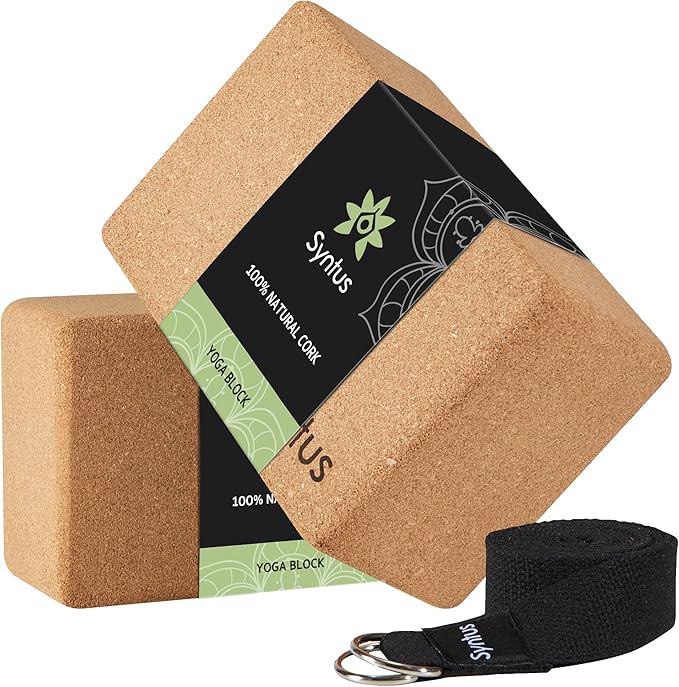
What to do instead: Keep stretches gentle and supported. Use a yoga block or a rolled towel under the sit bone in seated folds. Keep the knees bent in forward folds. If a stretch pulls sharply in the lower abdomen or deep pelvis, back off by 50 percent.
Mistake 4: Heavy Lifting That Drops the Pelvic Floor
Squats, deadlifts, and overhead presses are excellent strength builders—but during menstruation, the pelvic floor is naturally more lax due to a drop in progesterone. Lifting at your usual 1-rep max or doing high-load squats with poor breath control can cause the pelvic floor to bear down excessively, which may worsen cramps and even contribute to pelvic organ pressure.
What to do instead: Reduce your usual load by 20–30 percent during your period. Focus on tempo (slow, controlled lowering) and exhale on the lift. Avoid holding your breath or letting your belly bulge outward during the lift. If you feel a strong pulling sensation in the lower belly, drop the weight further.
Signs Your Workout Might Be Making Period Pain Worse
If any of these sensations appear during or after exercise, it’s a sign to adjust your routine:
- Cramps that intensify immediately during or after movement
- Sharp, stabbing pain in the lower abdomen or deep pelvis
- Increased spotting or heavier flow during exercise
- Nausea or dizziness that isn’t from normal exertion
None of this means you should stop moving—gentle movement actually helps by increasing blood flow and reducing prostaglandins, the chemicals responsible for cramping. The key is listening to the body’s signals and respecting the temporary changes that happen during your cycle.
What Kind of Exercise Helps Period Pain?
Physiotherapists most often recommend low-impact, rhythm-based movement during the first few days of the period:
- Walking or gentle jogging
- Stationary cycling with low resistance
- Yoga (avoiding deep backbends and unsupported forward folds)
- Swimming or water aerobics
- Light resistance training with controlled breathing
If you’re unsure about a specific move, a pelvic health physiotherapist can give you a tailored plan that works with your cycle rather than against it.