Sleep is a foundation of health, yet many of us sabotage it without realizing it. The hour before bed matters, and what you drink during that time plays a significant role in how well you rest. While you might be reaching for something to help you unwind, certain beverages can quietly disrupt your sleep cycle, leaving you groggy and restless by morning.
Based on established sleep hygiene guidelines, here are four specific drinks to avoid in the evening if you want deeper, more restorative sleep.
Caffeinated Drinks: Not Just Coffee
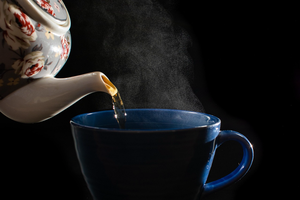
Caffeine is a well-known stimulant that blocks adenosine, the chemical that makes you feel sleepy. Most people know to skip coffee in the evening, but caffeine lurks in other places too. Black tea, green tea, many sodas, and even some flavored sparkling waters can contain enough caffeine to interfere with sleep for up to six hours after consumption.
The real sleep disruptor is the half-life. Even if you feel relaxed after a cup of tea at 8 p.m., enough caffeine may still be active in your system at midnight to reduce your time in deep sleep and REM stages. If you are sensitive to caffeine, consider cutting off all sources by early afternoon.
Pro tip: Check labels on bottled teas and energy drinks. Many of them contain 40-80 mg of caffeine per serving—enough to keep your brain slightly alert.
Alcohol: The Illusion of Relaxation
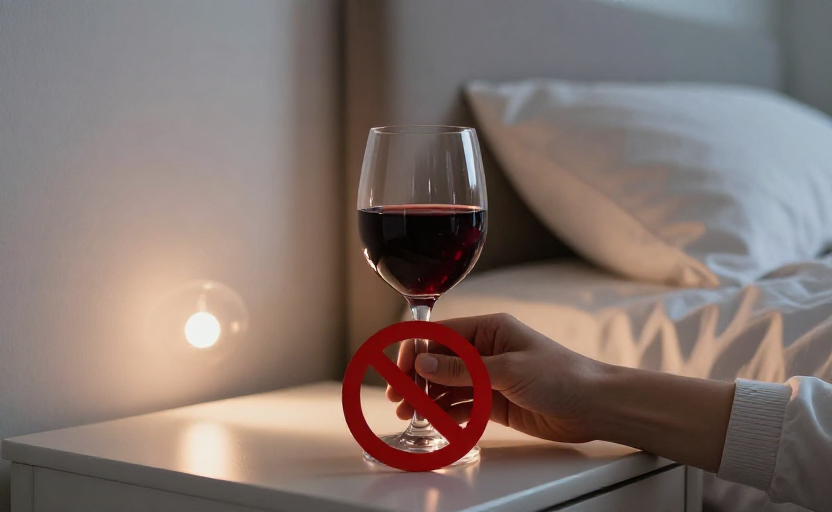
Alcohol is a double-edged sword. While a glass of wine might help you fall asleep faster, it actively fragments your sleep later in the night. This is because alcohol suppresses REM sleep and increases the number of nighttime awakenings, often without you remembering them.
Research shows that even moderate alcohol consumption close to bedtime reduces sleep quality. As your body metabolizes the alcohol, it triggers a rebound effect that can cause you to wake in the second half of the night, feeling restless or overheated. Skipping the nightcap is one of the most effective single changes you can make for deeper sleep.
What about nightcaps in small amounts?
The guidelines are clear: avoid alcohol entirely within three hours of bedtime. The dose does not matter as much as the timing. Your liver processes alcohol at a steady rate, and any presence of it in your bloodstream will interfere with sleep architecture.
Sugary and Carbonated Drinks
A soda, sweetened juice, or fruit punch in the evening can throw off your blood sugar. When you consume high amounts of sugar right before bed, your body may release insulin and other hormones that can wake you or make your sleep less stable.
Additionally, carbonated beverages can cause bloating, gas, and acid reflux when you lie down. Even if you do not feel heartburn, the physical pressure from gas can disturb your comfort and lead to micro-awakenings. These brief disruptions, which you might not remember in the morning, add up over the night and reduce your overall sleep depth.
Fluids Too Close to Bedtime (Including Water)
This one surprises many people. While water is essential for health, drinking large amounts right before bed leads to nocturia—the need to wake up to urinate. Even one bathroom break can fragment your sleep and prevent you from reaching the deeper, restorative stages.
The guideline is simple: stop drinking fluids 60 to 90 minutes before you plan to sleep. This does not mean you should go to bed dehydrated. Instead, hydrate well during the day and taper off in the evening. If you are thirsty right before bed, take just a few small sips rather than a full glass.
Shifting your evening drink choices is a low-effort way to improve sleep quality. These small adjustments align with general sleep hygiene guidelines and can make a noticeable difference in how rested you feel each morning.