You check your continuous glucose monitor (CGM) and see a reading that doesn't match what you ate. It might be that bowl of oatmeal or plate of rice, but sometimes the culprit is something you drank earlier. Many beverages can cause glucose jumps that feel anything but predictable, especially when labels or ingredient lists hide their carb and sugar content.
The tricky part is that some of these drinks are marketed as healthy, sugar-free, or low-carb. Yet certain ingredients—like milk, maltodextrin, and even some fruit compounds—can trigger a significant rise in blood sugar after a delay. Here are four drinks that may cause unexpected glucose jumps during monitoring, and what to watch for on the label.
Why Do Some Drinks Cause Delayed Spikes?
Before we get into the specific beverages, it helps to understand that not all carbohydrates hit your system at the same speed. A drink with liquid sugar or high-fructose corn syrup will spike glucose quickly because your body absorbs simple sugars almost instantly. But drinks that contain protein, fat, or complex carbohydrates take longer to digest, which can cause a glucose rise one to three hours after you finish the drink. This delayed response is often missed if you only check your monitor soon after drinking.
Additionally, some beverages that claim to be sugar-free or keto-friendly still contain hidden sugars in forms like maltodextrin, fruit juice concentrate, or even rice syrup. These can slip past your usual screening if you only check total carbohydrate grams but not the ingredient list.
1. Milk (Especially Non-Dairy Varieties)
Milk seems like a straightforward choice—it's a natural source of protein and calcium. Yet for many people, milk can cause a notable glucose spike. The reason is lactose, a naturally occurring disaccharide that breaks down into glucose and galactose during digestion. A single cup of cow's milk contains about 12 grams of lactose, which can raise blood sugar, especially if consumed on an empty stomach or in larger amounts (like in a latte).
Surprisingly, some non-dairy milks can be even worse. Oat milk is a common culprit because it's made from oats that are processed into a simple starch. Many commercial oat milks add extra sugar or have a high glycemic response due to maltodextrin or rice syrup used as thickeners. Even unsweetened oat milk can raise glucose because the starch is easily broken down by the body.
Tip: If you use milk for coffee or smoothies, try unsweetened almond milk or a small amount of cream. Always check the ingredient list, not just the sugar-free claim.
2. Nutrient or Vitamin Fortified Waters
You might reach for a bottle of vitamin water or an energy drink mix that says "no sugar" or "zero calories," but many of these drinks still cause glucose jumps. How? Through ingredients like maltodextrin or itulin (a dietary fiber derived from chicory root). Maltodextrin is a common filler in drink powders and vitamin waters made from corn, rice, or potato starch. It has a high glycemic index—higher than table sugar—and can spike blood sugar significantly despite not being labeled as "sugar."
Similarly, some brands use fruit juice concentrates (like grape or apple pear concentrate) to naturally sweeten their drinks. While these seem healthy, the concentrated fruit sugars can raise blood sugar much like straight fruit juice. The drink may have only 15 or 20 grams of sugar per bottle, but that liquid form hits your system without fiber to slow absorption, making it a fast-acting glucose source that can show up as a delayed spike.
3. Coffee Drinks with Creamers and Syrups
Plain black coffee or espresso is unlikely to cause a glucose spike on its own. But the moment you add a sweetened creamer, flavored syrup, or even a splash of regular milk, the picture changes. Many popular coffee creamers contain hydrogenated oils, corn syrup solids, or maltodextrin as a thickener. Even the ones labeled "sugar-free" may have maltitol or other sugar alcohols that still affect blood glucose, particularly if consumed in larger amounts.
A typical 12-ounce latte with oat milk and sugar-free vanilla syrup can still raise blood sugar because of the carbohydrate content from the oat milk and the sweetener's effect on glucose. The same applies to cold brew concentrates that come with added sugar or honey, or iced coffees sweetened with agave syrup.
Tip: Check the nutrition facts on your creamer and syrup bottles. Try switching to heavy cream or coconut cream (full fat) and a sugar-free syrup sweetened with allulose or Stevia that is known not to spike blood sugar for most individuals.
4. Kombucha (and Some Hard Seltzers)
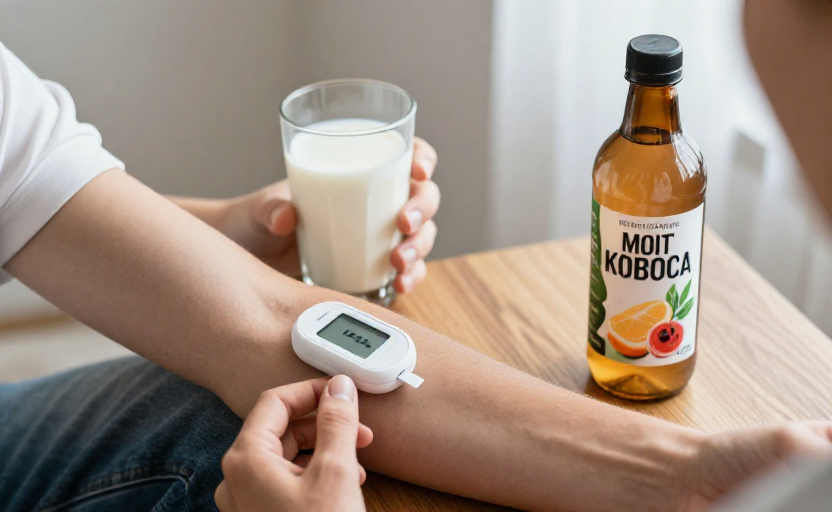
Fermented tea drinks like kombucha are often praised for their probiotics and lower sugar content compared to soda. However, not all kombucha is created equal. Many commercial kombuchas contain 10 to 20 grams of added sugar per bottle, often from fruit juice or cane sugar. Even if the bacteria in the drink eat some of that sugar, not all brands go through a full fermentation process. This means the sugar you consume gets absorbed quickly, and the drink's acidity can delay the gastric emptying process, producing a glucose jump an hour or two after drinking.
Hard seltzers and spiked sparkling waters also deserve caution. Many are made with malted barley or corn syrup, which can be converted into glucose. Even seltzers that are "low carb" may still contain enough residual maltose to raise blood sugar, especially if consumed in multiples.
How to Spot Hidden Glucose Raising Ingredients
Reading labels becomes a critical skill for avoiding these surprises. Here are a few simple guidelines:
- Look beyond total sugar: Check the carbohydrate count from all sources, including starch, which may not show up as sugar on the label. Maltodextrin and dextrose are still carb boosters.
- Watch for "natural flavors": Some natural flavors in beverages come from fruit extracts or other sweeteners that have hidden sugar. Not always, but it's worth investigating the brand's ingredient breakdown.
- Be cautious with sugar alcohols: Foods that use maltitol, sorbitol, and xylitol can still cause glucose spikes for some individuals. Erythritol and allulose are generally considered safer for blood sugar.
- Opt for whole-food drinks: Plain water, sparkling water with a splash of lemon or lime, unsweetened tea, and black coffee are the safest bets if you want to avoid unexpected glucose jumps.
Final Thoughts for Your Glucose Monitoring
If you're regularly monitoring your glucose levels and seeing unexplained spikes, try keeping a drink log for a week. Write down everything you consume, including the brand, the specific type, and the time you had it. Then compare it to your CGM readings for the next two to three hours. Often, the pattern will point to a particular beverage that you hadn't suspected earlier.
Understanding how different drinks affect your system is a simple but powerful step toward better glucose control. The body processes drinks differently than solid foods, and hidden ingredients can turn what looks like a harmless drink into a trigger for a glucose sharp rise. Stay curious, read labels, and trust your personal responses over blanket claims about a drink being sugar free or healthy.